
Komodo Island is one of the most extraordinary destinations in Indonesia and one of the most unique islands in the world. Located within Komodo National Park, between the provinces of East Nusa Tenggara and West Nusa Tenggara, this protected area is the only place on Earth where the world’s largest living lizard, the Komodo dragon, lives in the wild.
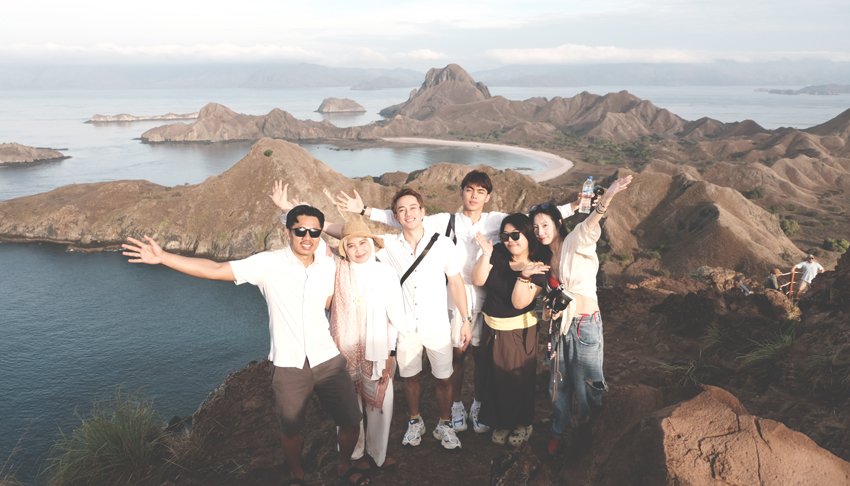
Komodo National Park covers a total area of approximately 1,733 km², including land and marine ecosystems. The park consists of three main islands—Komodo Island, Padar Island, and Rinca Island—as well as 26 smaller islands, creating a remarkable landscape of rugged hills, savannas, coral reefs, and crystal-clear waters.

Introduction to the Island of komodo
Komodo Island is a destination of breathtaking natural beauty. Its dramatic landscapes, rare wildlife, and pristine marine environment make it a favorite for nature lovers, adventure travelers, and wildlife enthusiasts.
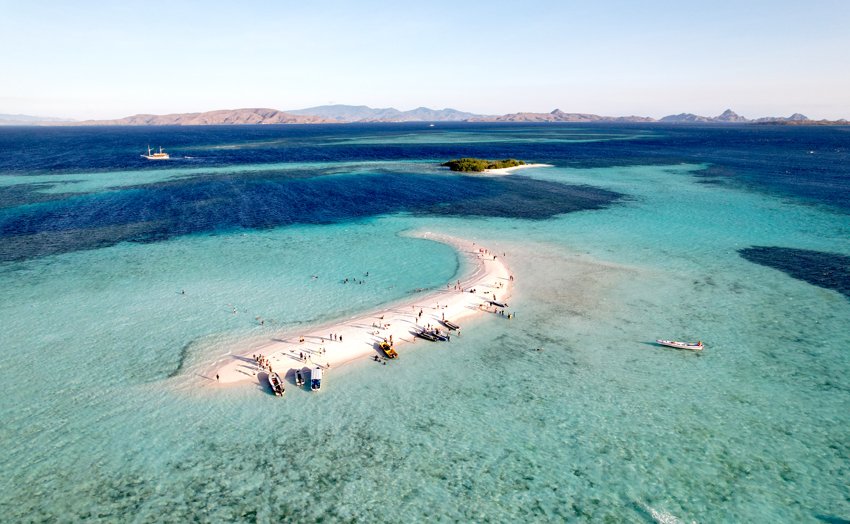
The island features dry savannas, rolling hills, white and pink-sand beaches, and vibrant underwater ecosystems. Beyond its scenery, Komodo Island is an important conservation area with global significance.
Exploring Komodo Island allows visitors to learn about its history, ecosystem, wildlife, and unique adventures—all within a carefully protected national park
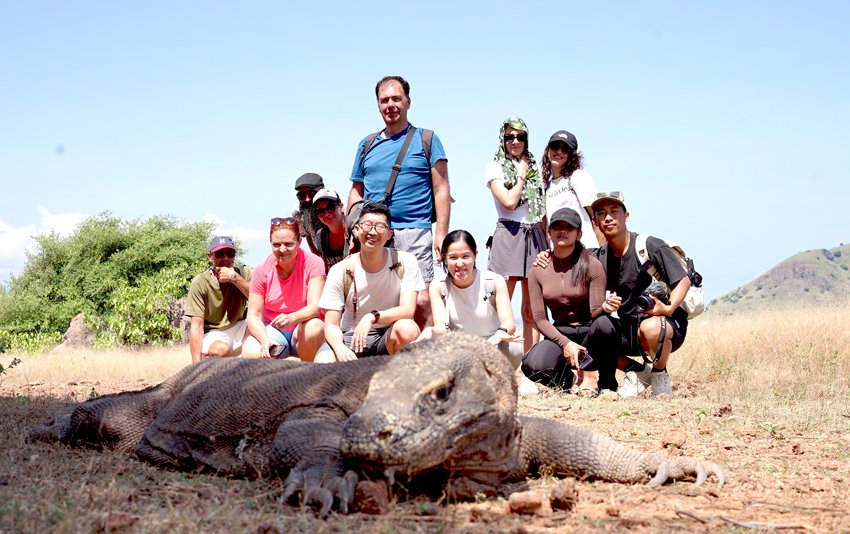
The Legendary Komodo Dragons
The most remarkable inhabitant of Komodo National Park is the Komodo dragon (Varanus komodoensis). These giant reptiles exist nowhere else in the world and are of great scientific importance due to their evolutionary uniqueness.
Commonly referred to as Komodo dragons because of their appearance and behavior, they are the largest living species of lizard, growing to an average length of 2–3 meters and weighing up to 70 kilograms.
All visits to Komodo Island are accompanied by licensed park rangers, ensuring both visitor safety and wildlife protection.

Komodo Island Ecosystem & Biodiversity
Komodo Island supports a diverse ecosystem that includes:
- Dry tropical forests
- Savannas and grasslands
- Mangrove forests
- Coral reefs and rich marine habitats
In addition to Komodo dragons, the island is home to wild deer, wild boars, birds, and a wide range of marine species. This diversity makes Komodo National Park one of the most important conservation areas in Southeast Asia.
UNESCO World Heritage Status
Komodo National Park was designated a UNESCO World Heritage Site due to its outstanding universal value. This status recognizes the park’s exceptional biodiversity, unique wildlife, and ecological importance, and ensures long-term protection for future generations.
A Brief History of Island
Human presence on Komodo Island dates back thousands of years. Over time, different cultures have influenced the island’s traditions, livelihood, and relationship with nature—particularly through fishing and coexistence with wildlife.
Today, conservation efforts balance tourism, local livelihoods, and environmental protection.
Getting to the Island
The main gateway to Komodo Island is Labuan Bajo, a coastal town on Flores Island.
How to Reach Labuan Bajo
- Domestic flights from major Indonesian cities (Jakarta, Bali, Surabaya)
- From Labuan Bajo, visitors continue by boat or guided tour into Komodo National Park
- Alternative options include liveaboard cruises or multi-day boat trips connecting Lombok, Sumbawa, and Flores.
Best Time to Visit?
Komodo Island has a tropical savanna climate with two main seasons:
Dry Season (May – October)
- Sunny weather and calm seas
- Ideal for trekking, snorkeling, and diving
- Best time to see Komodo dragons actively roaming
Wet Season (November – April)
- Greener landscapes and fewer visitors
- Weather can be unpredictable
- Good opportunities for wildlife and photography
Komodo Island can be visited year-round, but planning according to season improves the experience.
The Magnificent Komodo Dragons in Their Natural Habitat
Seeing Komodo dragons in the wild is a highlight of any visit.
Safety Guidelines
- Always stay with a licensed guide or ranger
- Keep a safe distance (10–15 feet)
- Avoid sudden movements
- Follow all instructions carefully
These rules ensure a safe and respectful encounter with the world’s largest lizards.
Adventures Beyond the Dragons
Komodo Island offers many activities beyond wildlife observation:
- Snorkeling & Diving – vibrant coral reefs, tropical fish, manta rays
- Pink Beach – rare pink-colored sand and clear water
- Hiking & Trekking – scenic viewpoints and island landscapes
- Island Hopping – exploring nearby islands such as Padar and Rinca
Whether on land or underwater, Komodo Island provides unforgettable experiences.
Where to Stay?
Most visitors stay in Labuan Bajo, where accommodations range from:
- Budget guesthouses
- Mid-range hotels
- Luxury resorts
For a more immersive experience, eco-lodges and camping options are available near or within the park, depending on regulations and tour programs.
Local Culture & Customs
Komodo Island and the surrounding Flores region have a rich cultural heritage. Visitors may encounter:
- Traditional fishing communities
- Local food and cultural festivals
- Traditional dances and customs
Respecting local culture, dressing modestly, and caring for the environment are essential for responsible travel.
Essential Tips for Visiting
- Wear light, breathable clothing
- Use sunscreen and insect repellent
- Stay hydrated
- Wear sturdy footwear for trekking
- Always follow guide and ranger instructions
Good preparation ensures a safe and enjoyable visit.
Conclusion: Embracing the Wonder of the Island
Komodo Island is more than a travel destination—it is a living natural wonder. From the legendary Komodo dragons to dramatic landscapes and rich marine life, the island offers a truly unique experience.
By visiting responsibly and respecting nature and local communities, travelers help preserve Komodo Island’s beauty and legacy for generations to come.
Frequently Asked Questions (FAQ)
- Is Komodo Island a UNESCO World Heritage Site?
Yes. Komodo National Park is officially recognized by UNESCO. - Is Komodo Island safe to visit?
Yes, when visiting with licensed guides and following safety rules. - What activities can I do on Komodo Island?
Wildlife trekking, snorkeling, diving, hiking, island hopping. - When is the best time to visit Komodo Island?
The dry season from May to October offers the best conditions. - Can I photograph Komodo dragons?
Yes, as long as you follow guide instructions and keep a safe distance.
