
Rising 3,726 meters above sea level, Mount Rinjani is Indonesia’s second-highest volcano and one of Southeast Asia’s most significant geological landmarks. The history of Mount Rinjani extends far beyond modern trekking routes or tourism activities. Long before Rinjani became a destination, this landscape was dominated by the ancient volcano Mount Samalas, whose catastrophic Mount Samalas eruption of 1257 AD altered the global climate and reshaped Lombok forever.
Today, Mount Rinjani stands as the result of destruction followed by renewal. The collapse of Samalas formed the vast caldera that later became Segara Anak Lake, gave birth to Mount Barujari, and created a complex volcanic system that continues to define Lombok’s environment, water systems, and fertile land. Understanding the Segara Anak Lake history helps explain why Rinjani remains both geologically active and spiritually significant.
For centuries, Rinjani has been central to Lombok’s identity. It is a sacred mountain for the Sasak people, the primary source of water for the island, and a globally recognized natural heritage site under UNESCO protection. This article presents the complete and uninterrupted history of Mount Rinjani, from ancient Samalas to the living mountain we see today — a story of fire, rebirth, and harmony between nature and humanity.
Mount Rinjani at a Glance
Mount Rinjani is not a single volcanic structure, but the result of one of the most powerful geological events in human history. The ancient Mount Samalas eruption in 1257 AD reshaped Lombok Island, forming the massive Segara Anak caldera and giving birth to the Mount Rinjani volcanic system we see today.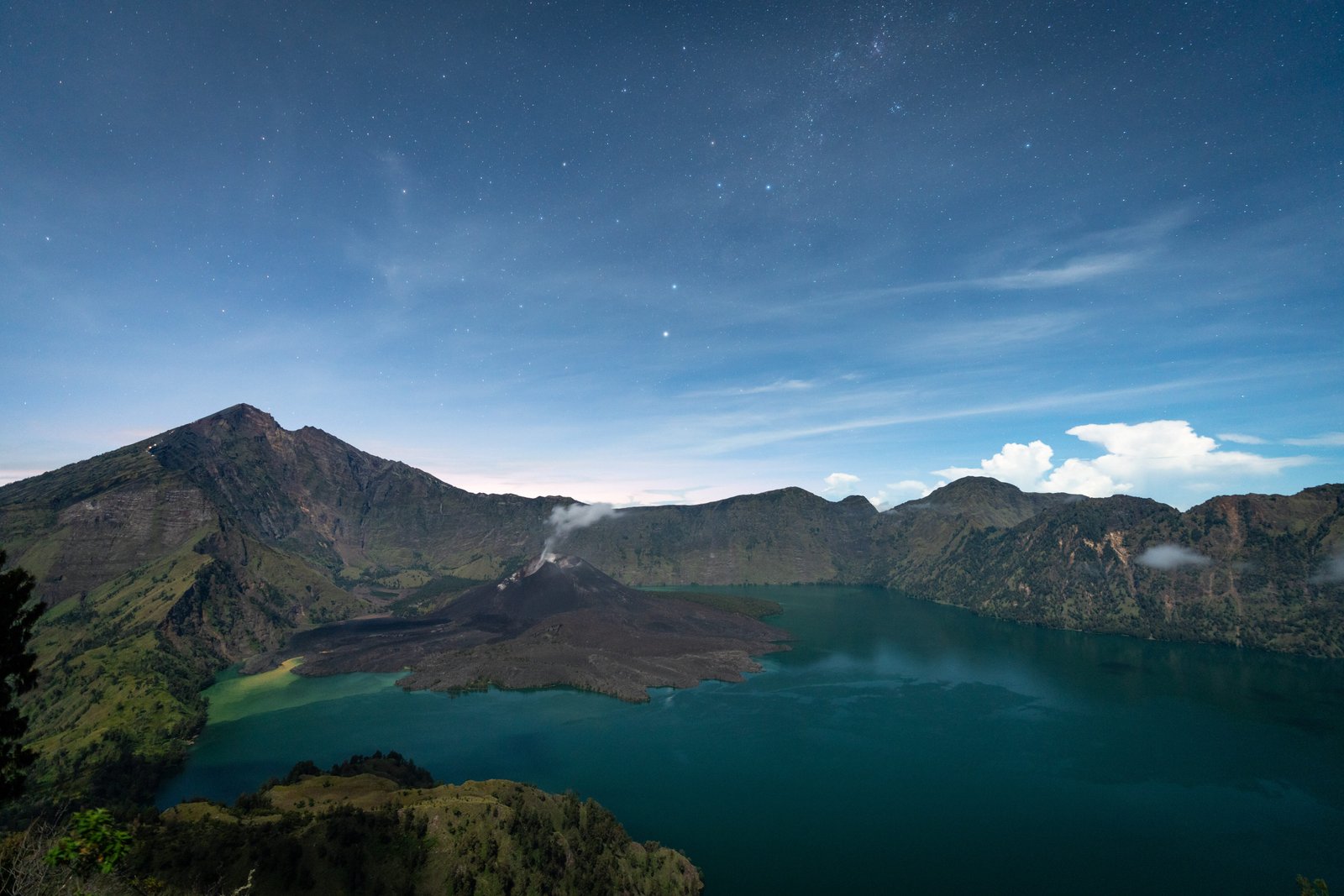
1. The Ancient Era – Mount Samalas Before Rinjani Mountain Existed
Long before Rinjani shaped the skyline of Lombok, Mount Samalas dominated the northern part of the island. Samalas was a colossal stratovolcano, towering over what are now the regions of Sembalun, Senaru, Bayan, and Aikmel.
This ancient mountain played a critical role in forming Lombok’s earliest landscapes. Its slopes supported dense tropical forests, while its volcanic soil nurtured fertile land and water systems that sustained early human settlements.
Geologically, Mount Samalas was formed by the collision and subduction of the Indo-Australian Plate beneath the Eurasian Plate, part of the vast volcanic arc that stretches across Java, Bali, Lombok, and the Lesser Sunda Islands. Over thousands of years, repeated eruptions layered lava, ash, and pyroclastic material, building an enormous volcanic cone.
For early communities, Samalas was both a giver and a threat. It provided fertile soil, water sources, and forests, but it also reminded humans of nature’s immense power. Oral traditions suggest that ancient Lombok societies already regarded the mountain with reverence long before written history.
This balance between dependence and respect would later become central to Lombok’s cultural relationship with Rinjani.
Key Moments in Mount Rinjani History
- Before 1257 AD: Mount Samalas dominates northern Lombok as a massive stratovolcano.
- 1257 AD: One of the largest volcanic eruptions in the last 7,000 years occurs.
- Post-1257: The caldera collapses and Segara Anak Lake is formed.
- Later centuries: Mount Barujari emerges inside the crater.
- Modern era: Rinjani becomes a sacred site, national park, and UNESCO Global Geopark.
2. The 1257 AD Samalas Eruption – A Global Event
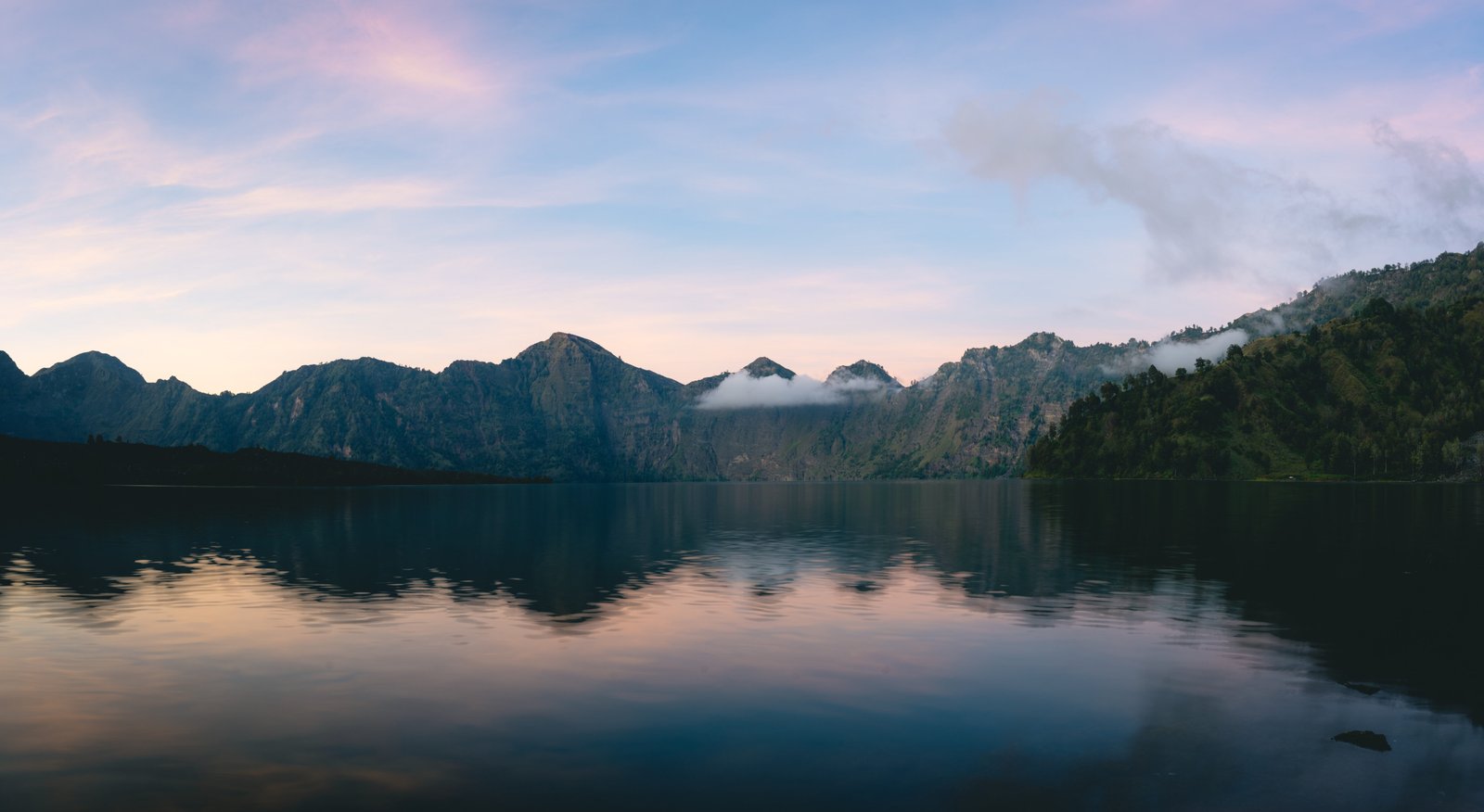
In 1257 AD, Mount Samalas unleashed one of the most powerful volcanic eruptions in human history — an event so massive that its impact was felt far beyond Indonesia.
Modern scientific research, including ice-core data from Greenland and Antarctica, confirms that the Samalas eruption injected enormous volumes of sulfur dioxide into the stratosphere. This caused a global volcanic winter, leading to crop failures, famine, and climate anomalies across Europe, Asia, and the Middle East.
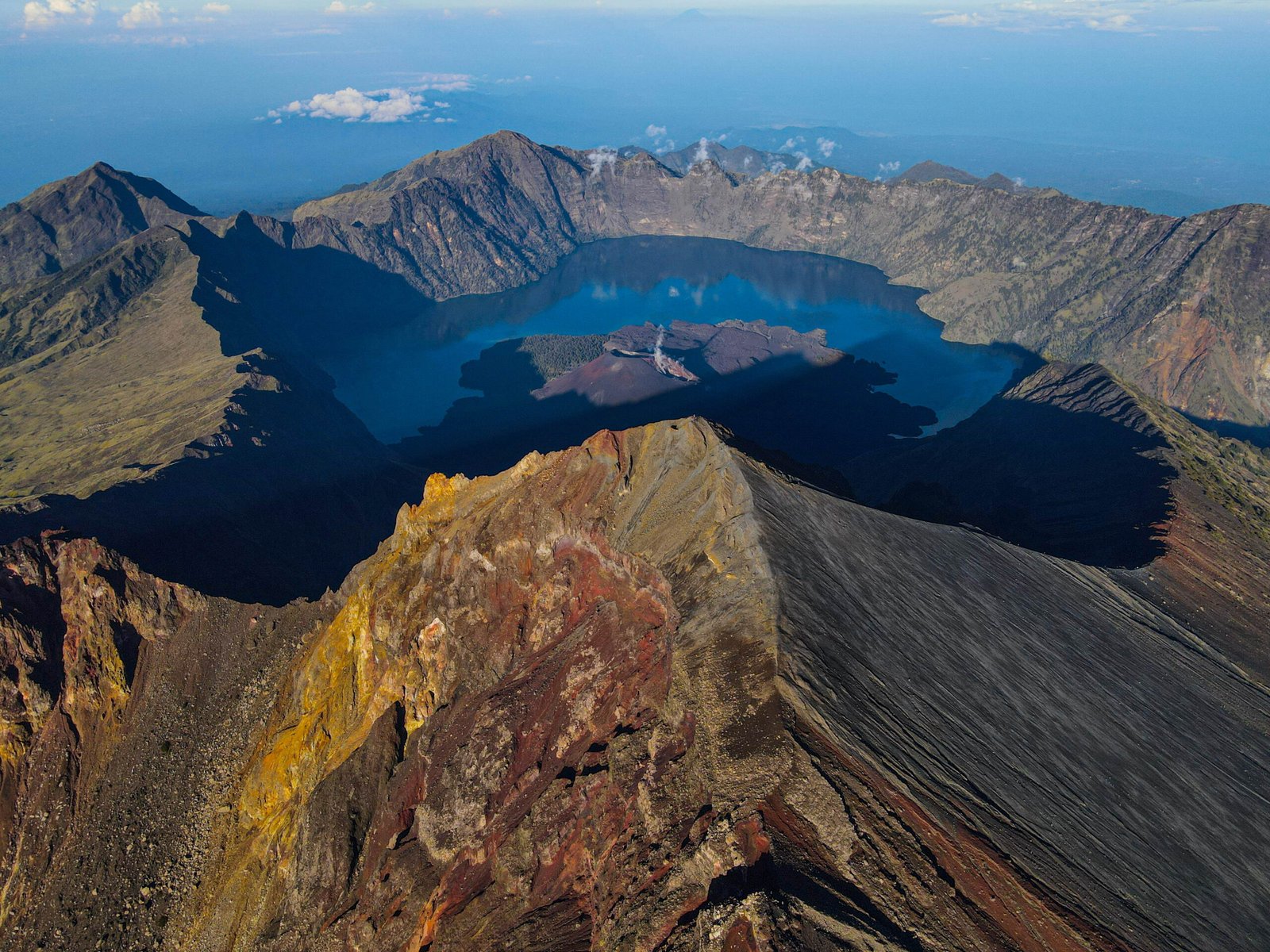
The eruption violently destroyed the summit of Mount Samalas. Entire sections of the volcano collapsed inward, forming a gigantic caldera nearly eight kilometers wide. Pyroclastic flows swept across northern Lombok, reshaping valleys, rivers, and ecosystems.
What followed was not the end of life — but the beginning of a new geological era.
Scientific Facts About Mount Rinjani
| Feature | Description |
|---|---|
| Volcano Type | Active stratovolcano within a large caldera system |
| Highest Point | 3,726 meters above sea level |
| Main Crater | Segara Anak Lake (approx. 8 km wide) |
| Inner Cone | Mount Barujari (still volcanically active) |
| Tectonic Setting | Indo-Australian Plate subducting beneath the Eurasian Plate |
3. Geological Rebirth – The Creation of Segara Anak and Mount Barujari
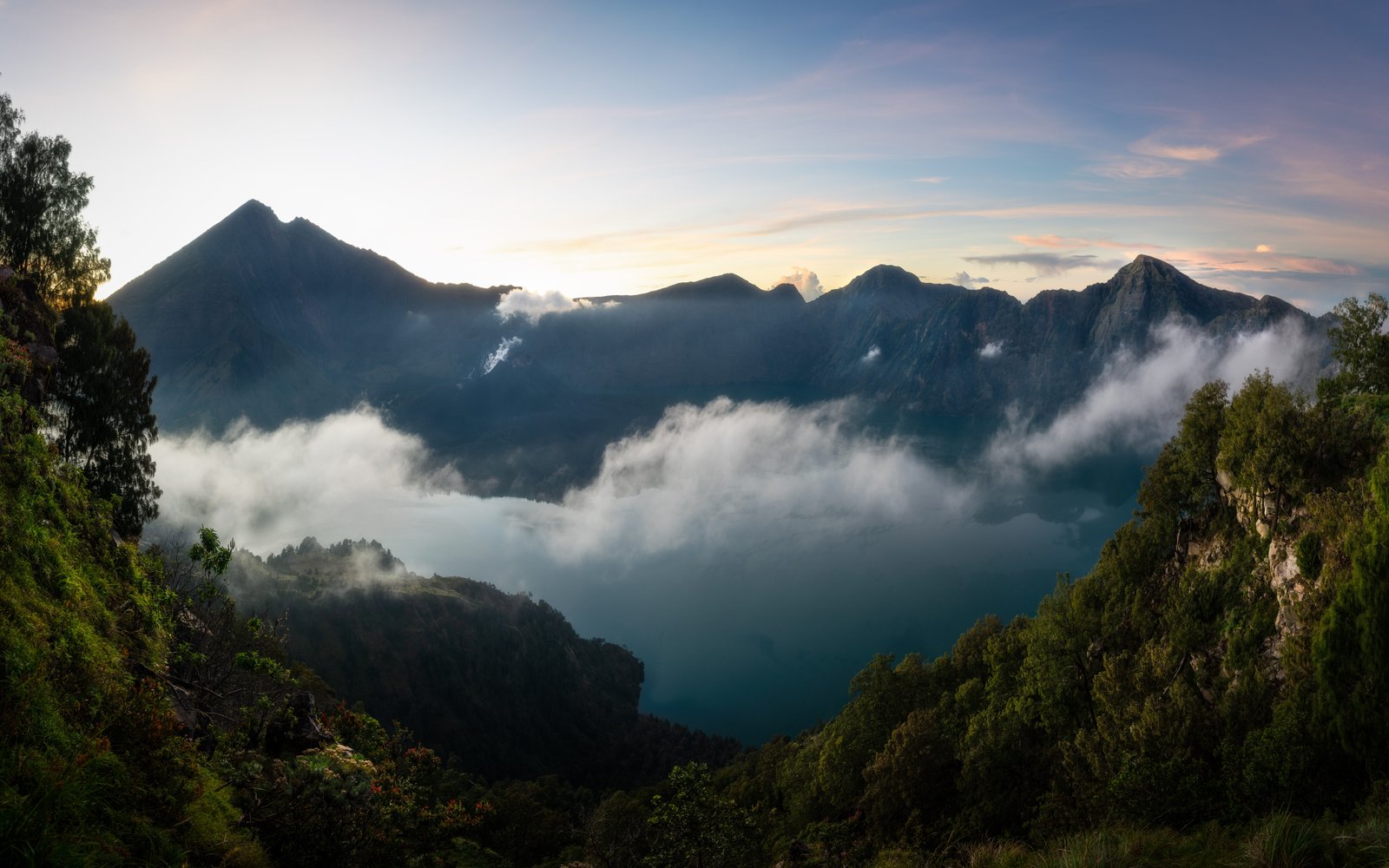
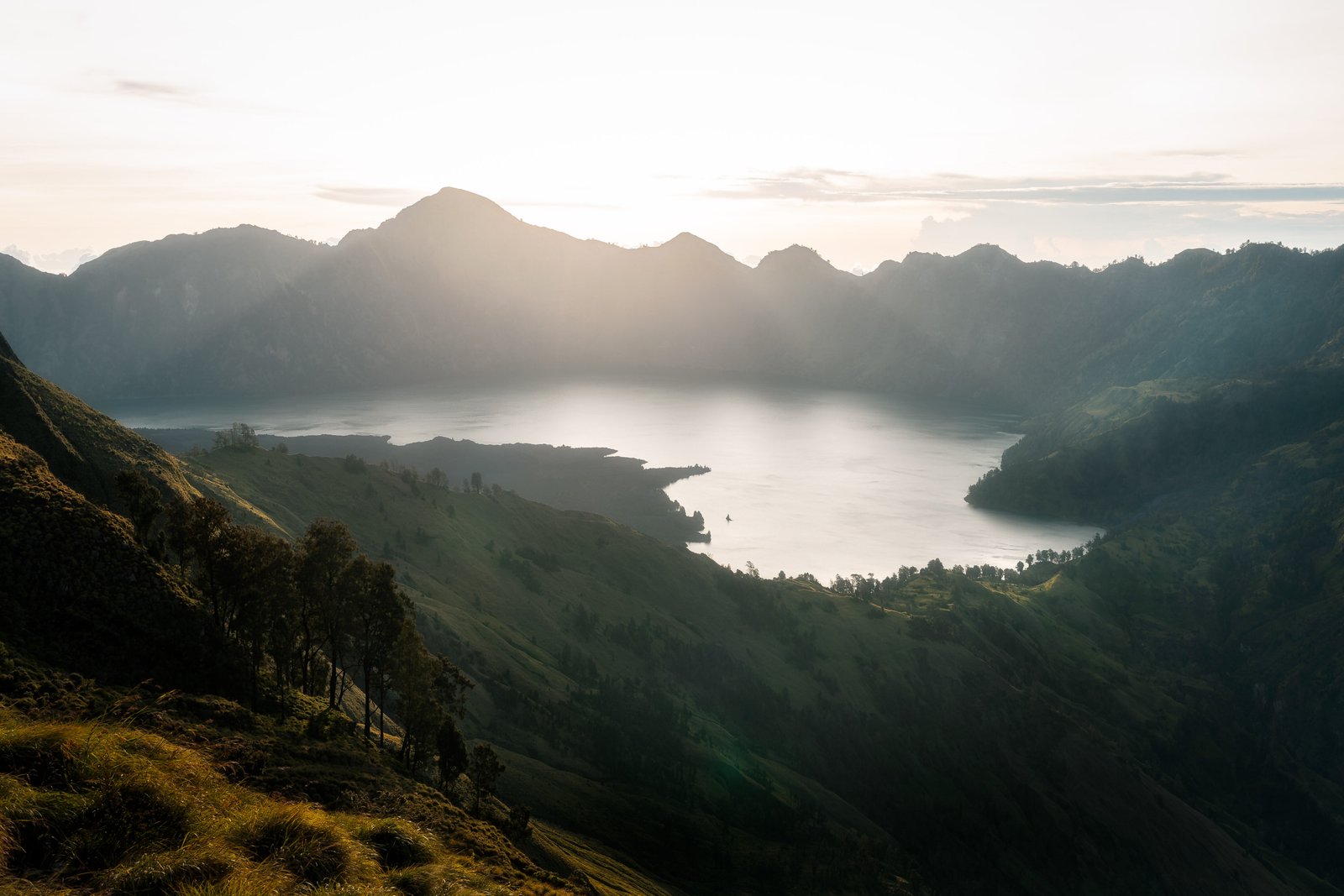
After the eruption, rainwater and underground springs slowly filled the massive caldera, giving birth to Segara Anak Lake. The name Segara Anak means “Child of the Sea”, reflecting its vast blue surface that resembles an inland ocean.
Within this lake, volcanic activity did not cease. Over time, a new cone emerged from the caldera floor — Mount Barujari, often called the Child of Rinjani. Barujari remains volcanically active today, reminding us that Rinjani is not a dormant monument, but a living system.
The ash from Samalas enriched Lombok’s soil. Rivers reformed. Vegetation returned. What seemed like devastation became renewal.
From this rebirth, Mount Rinjani emerged.
4. From Geological Rebirth to Sacred Mountain – The Emergence of Rinjani
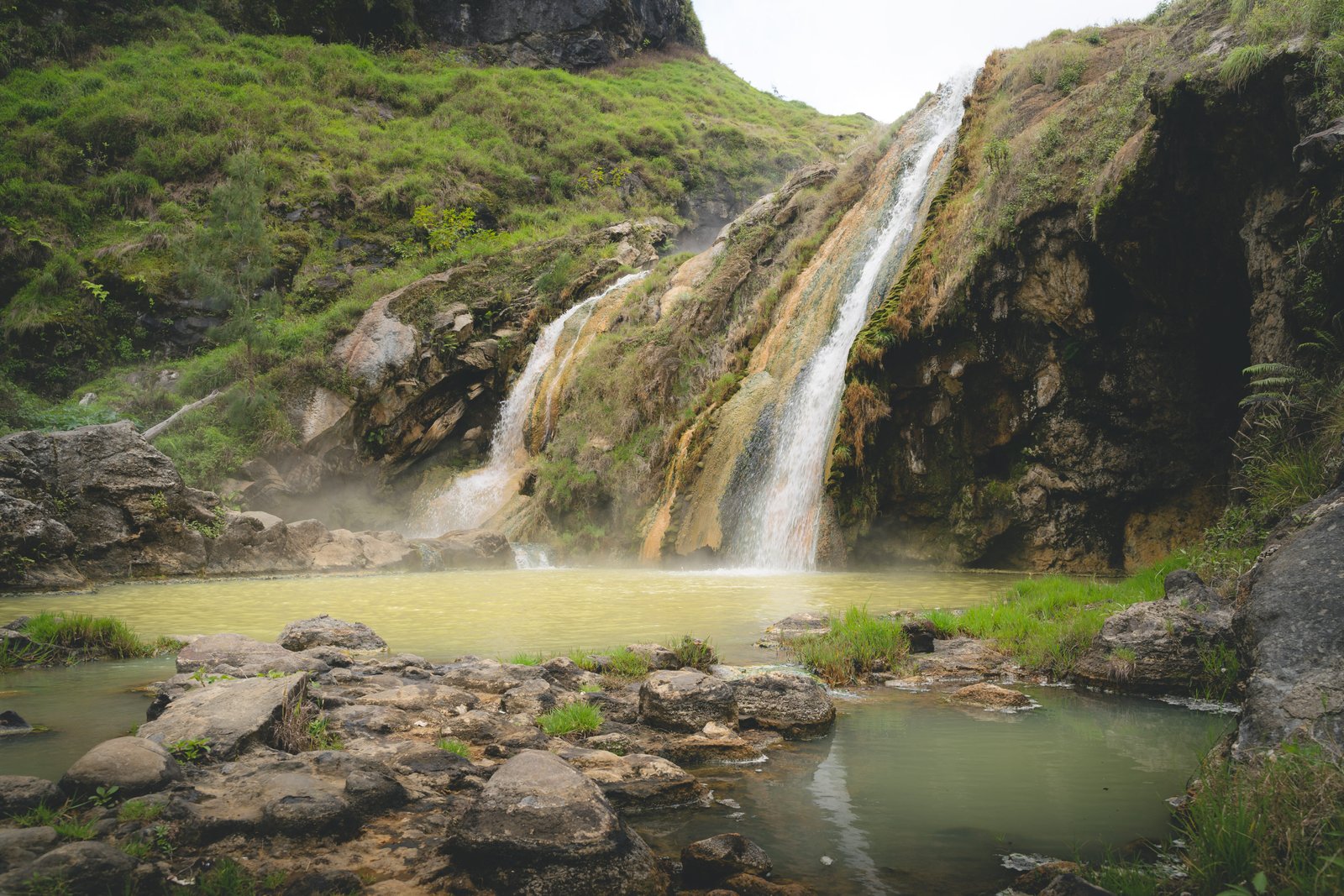
As the volcanic system stabilized after the collapse of Mount Samalas, the landscape of northern Lombok slowly transformed. The massive caldera filled with water, forests regenerated, and wildlife returned. Over generations, the newly formed mountain came to be known as Mount Rinjani.
Unlike Samalas, which was remembered primarily for its destructive force, Rinjani was understood as a mountain of balance. It represented the harmony between fire and water, destruction and creation, danger and protection.
For the people of Lombok, this transformation carried deep meaning. The rebirth of the land after catastrophe shaped how local communities understood nature — not as something to conquer, but as a force to respect and live alongside.
The name Rinjani is widely believed to be connected to Dewi Anjani, a sacred female figure who became the spiritual guardian of the mountain. Through this belief, Rinjani was no longer only a physical presence, but a living spiritual entity.
5. Rinjani in Sasak Cosmology – The Mountain as the Center of Life
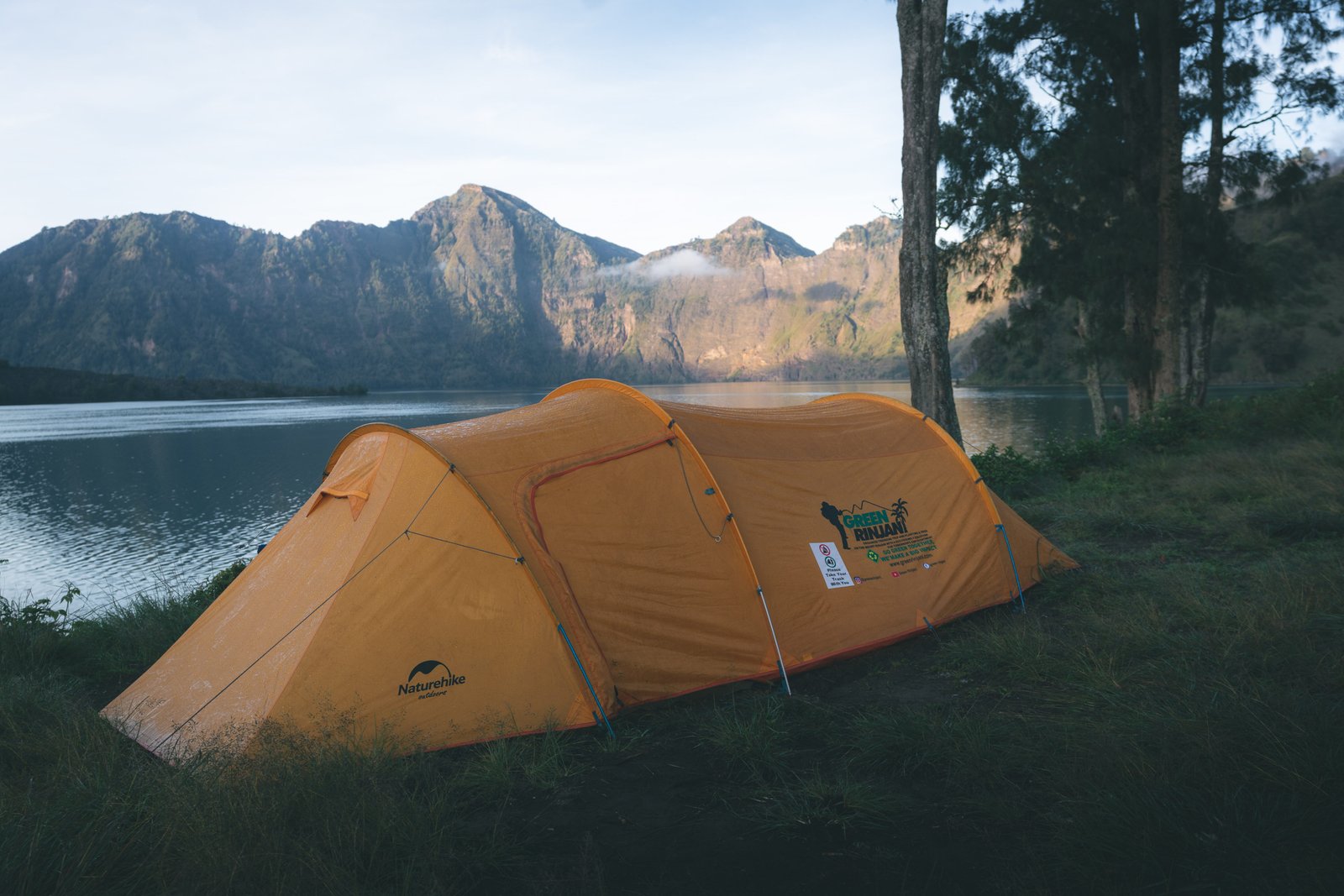
For the Sasak people, the indigenous inhabitants of Lombok, Mount Rinjani holds a central position in cosmology and daily life. It is regarded as the axis of balance, where the spiritual world, natural world, and human world intersect.
In traditional belief, Rinjani is the dwelling place of ancestral spirits and unseen guardians. Its slopes are considered sacred, and many rituals begin with prayers directed toward the mountain. Even today, farmers, trekkers, and villagers often offer silent respect before journeys or major life events.
Rinjani is also seen as a symbol of patience and restraint. Its presence reminds people that true strength lies not in domination, but in harmony with the natural order.
This worldview continues to shape how communities interact with the mountain, influencing farming cycles, water management, and ceremonial traditions.
6. Dewi Anjani – The Guardian Spirit of Mount Rinjani
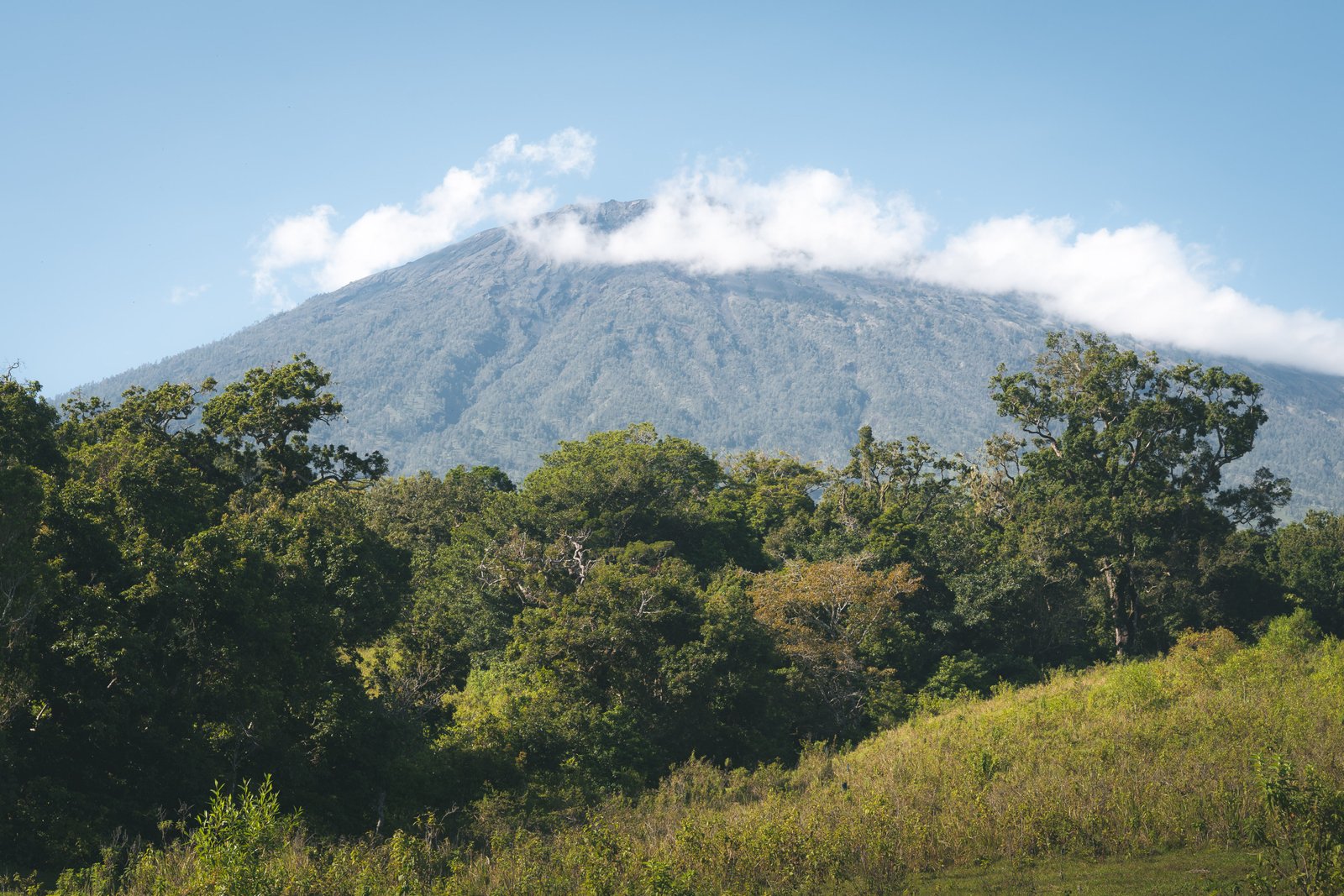
According to legend, Dewi Anjani was once a princess of the ancient Selaparang Kingdom, a powerful realm that ruled much of Lombok before colonial times. Seeking spiritual enlightenment, she retreated into the forests and highlands of Rinjani to meditate.
Through devotion and self-discipline, her spirit is believed to have ascended beyond the human realm. She became the eternal guardian of Mount Rinjani, watching over the land and those who approach it with pure intention.
Local belief holds that climbers who act with arrogance or disrespect may encounter misfortune, while those who climb with humility are protected. These stories are not meant to frighten, but to teach respect — a moral framework that governs human behavior toward nature.
Even today, many guides and porters quietly acknowledge Dewi Anjani before beginning a trek.
Why Mount Rinjani Is Sacred to Lombok
For the Sasak people, Mount Rinjani is more than a mountain. It is the spiritual center of Lombok Island and a source of life. Many believe that Dewi Anjani, the guardian spirit of the mountain, protects those who approach Rinjani with humility and respect. Rituals such as the annual Pekelem Ceremony at Segara Anak Lake reflect the deep connection between humans, nature, and the divine — a philosophy that continues to guide local life around Rinjani today.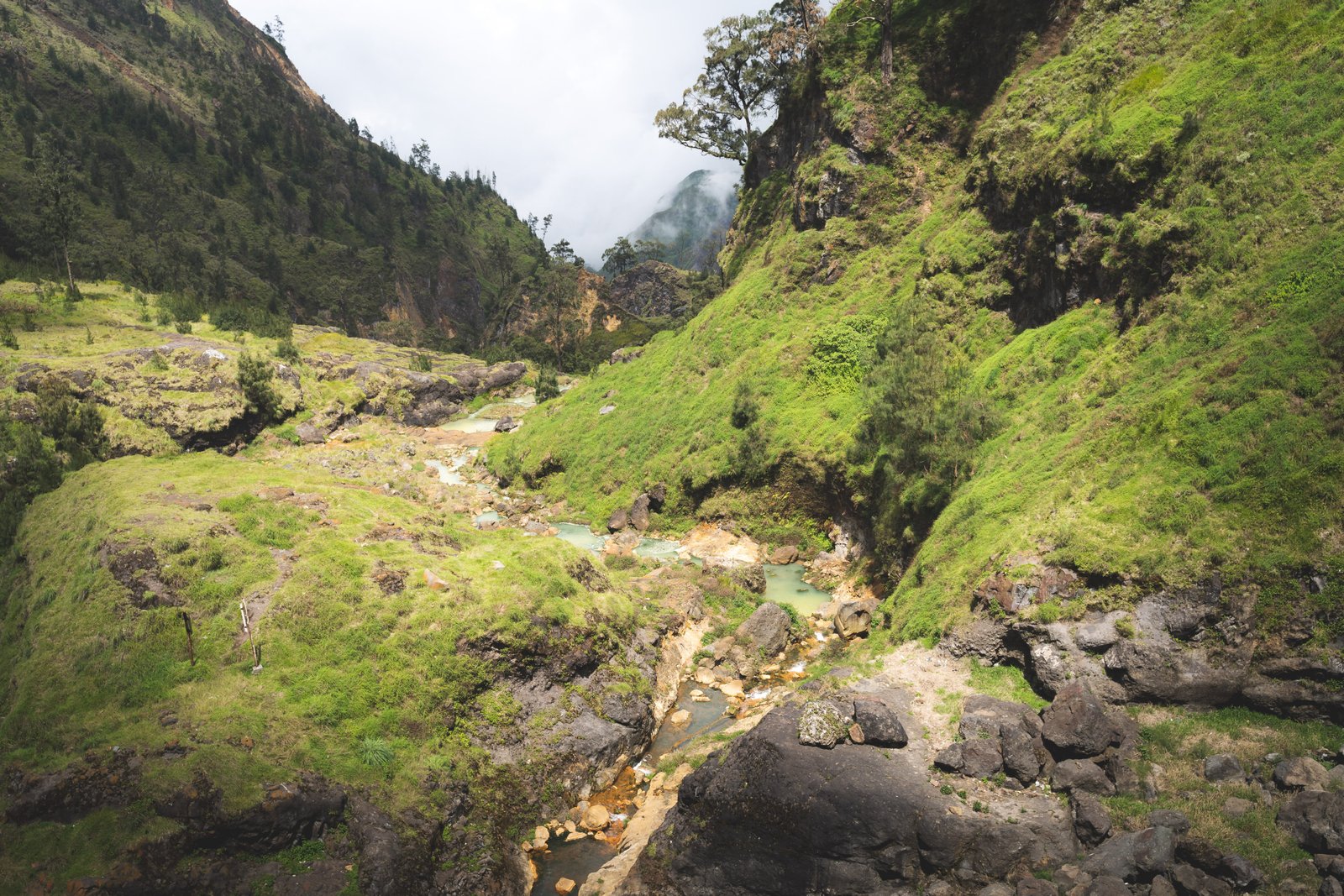
7. Sacred Rituals and the Pekelem Ceremony at Segara Anak Lake
One of the most important expressions of Rinjani’s spiritual significance is the Pekelem Ceremony, held annually at Segara Anak Lake.
This ritual is performed by a combination of Balinese Hindus and Sasak Wetu Telu practitioners. Offerings are brought to the lake, prayers are recited, and symbolic acts are performed to restore balance between humans, nature, and the divine.
The ceremony acknowledges Segara Anak as a sacred body of water — not only a geological feature, but a spiritual source. Through Pekelem, the mountain is thanked for providing water, fertility, and protection.
These traditions have survived for centuries and continue today, demonstrating that Rinjani’s spiritual role is not a relic of the past, but a living practice.
8. Rinjani as the Source of Water and Life on Lombok Island
Beyond belief and legend, Mount Rinjani plays a tangible and vital role in sustaining Lombok’s population.
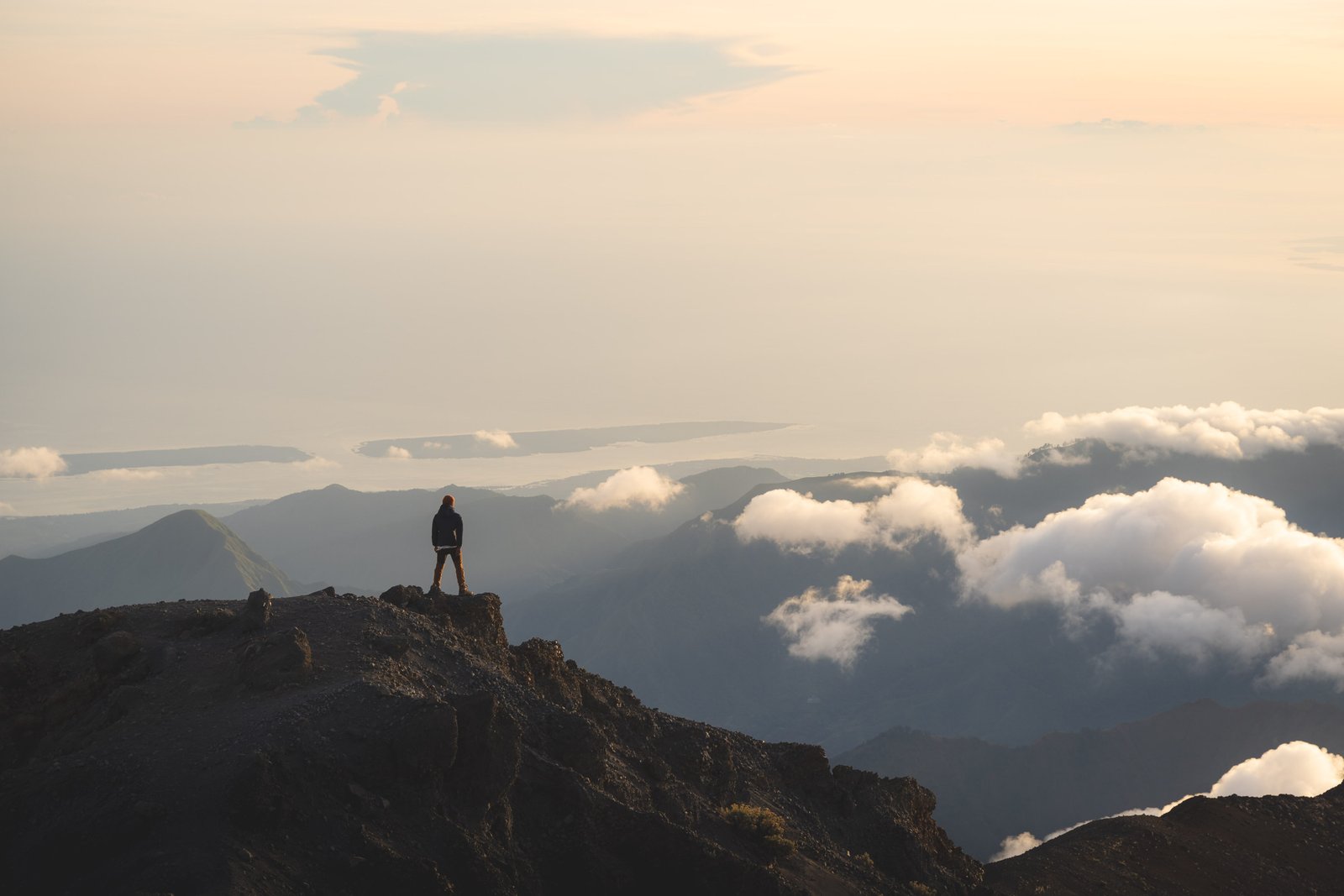
The mountain acts as the main water tower of Lombok, feeding rivers, springs, and underground aquifers. It is estimated that around 90 percent of Lombok’s river systems (DAS) originate from the Rinjani massif.
Major rivers such as Kokok Putih, Kokok Jangkok, and Kokok Rinjani provide irrigation for rice fields, vegetable farms, and plantations across northern and eastern Lombok. Without Rinjani, large portions of the island would struggle to sustain agriculture and human settlement.
For this reason, many locals refer to Rinjani as “Ibu Air” — the Mother of Water.
9. Agriculture, Fertility, and Daily Life Around Rinjani
The fertile volcanic soil surrounding Mount Rinjani supports some of Lombok’s most productive agricultural areas. Regions such as Sembalun and Aikmel are known for vegetables, coffee, fruits, and spices.
Traditional farming methods developed in harmony with the mountain’s natural cycles. Planting and harvesting are often timed according to seasonal patterns influenced by rainfall from Rinjani’s slopes.
This close relationship between land and livelihood reinforces the belief that caring for the mountain means caring for the future of the island.
10. Rinjani as an Economic and Social Lifeline
In modern times, Mount Rinjani has also become a major economic driver for Lombok.
Each year, tens of thousands of trekkers visit the mountain. This supports a wide network of livelihoods, including:
- Local trekking guides
- Porters and cooks
- Homestay owners
- Transport providers
- Farmers supplying food
-
Small village businesses
Unlike mass tourism centers, Rinjani-based tourism is largely community-driven. Many trekking routes are managed in cooperation with local villages, ensuring that economic benefits remain within the region.
In this way, Rinjani connects ancient tradition with modern opportunity.
11. A Living Mountain – Lombok’s 2018 Earthquake and the Test of Resilience
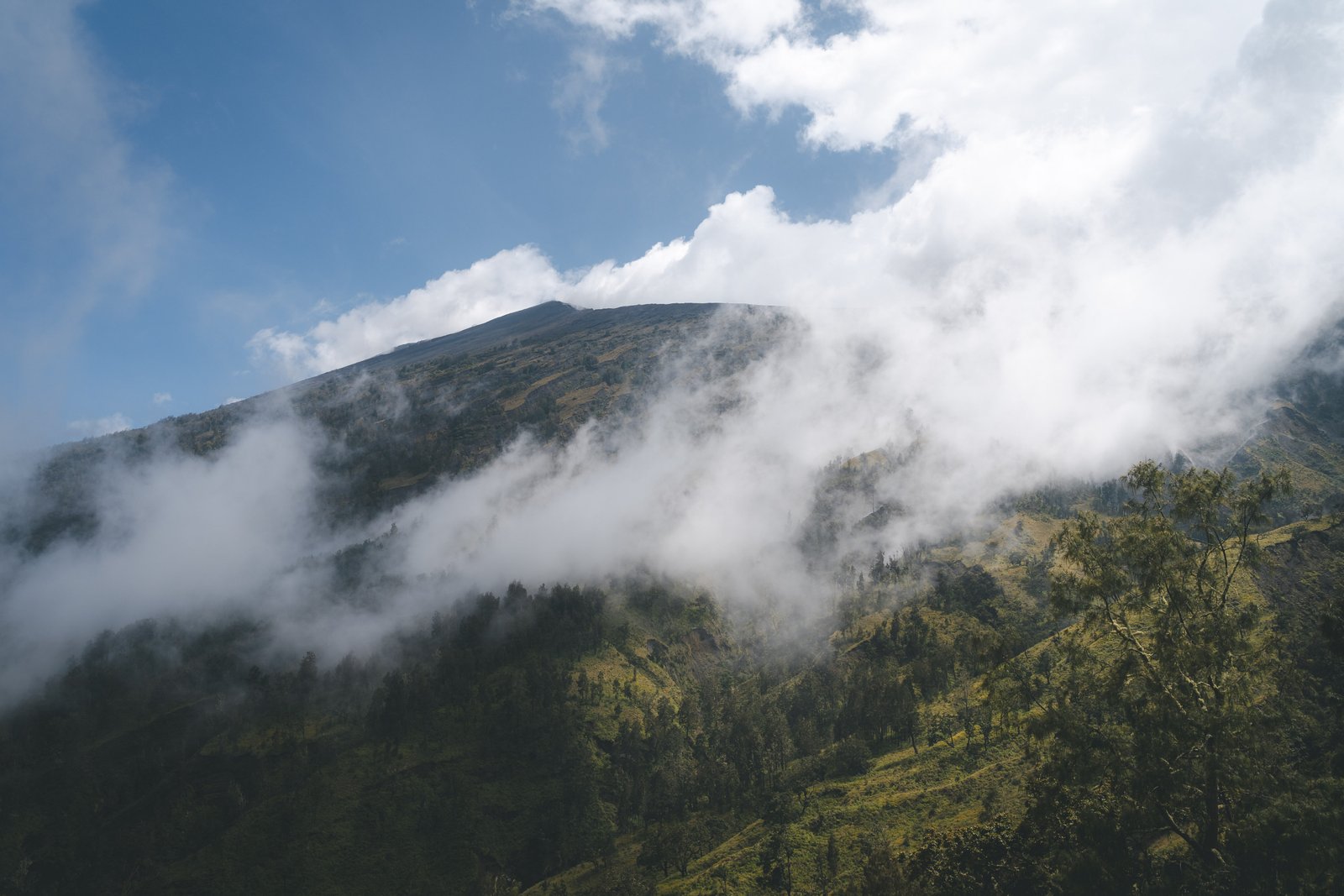
Mount Rinjani exists within one of the most active tectonic regions on Earth — the Pacific Ring of Fire. While volcanic eruptions shape the mountain from within, tectonic forces beneath Lombok continue to influence its landscape.
In August 2018, a series of powerful earthquakes struck Lombok, with the strongest reaching magnitude 6.9. The epicenters were located in the northern part of the island, close to Mount Rinjani and surrounding villages.
The earthquakes caused landslides along trekking routes, damaged infrastructure, and deeply affected local communities. Several trails within Mount Rinjani National Park were closed immediately for safety assessments. Villages such as Senaru, Sembalun, and Bayan experienced significant disruption, both physically and economically.
This moment marked one of the most challenging chapters in Rinjani’s modern history.
Yet, as it had after the eruption of Samalas centuries earlier, the region demonstrated resilience. Government authorities, local communities, park rangers, and trekking organizations worked together to assess damage, rebuild trails, restore safety systems, and rehabilitate affected ecosystems.
By late 2018 and into 2019, major trekking routes were gradually reopened under stricter safety protocols and improved environmental management. Today, the trails are not only accessible again — they are better organized and more responsibly managed than before.
The 2018 earthquakes reminded everyone that Rinjani is not a static monument. It is a living mountain, constantly shaped by the forces of the Earth.
12. Science Behind the Mountain – Understanding Rinjani’s Volcanic System
Modern science has played a crucial role in deepening understanding of Mount Rinjani.
Rinjani is part of a complex volcanic system influenced by the Flores Back-Arc Thrust Fault, which explains both its volcanic activity and seismic behavior. This interaction between tectonic pressure and magma movement makes Rinjani one of Indonesia’s most closely studied volcanoes.
The Center for Volcanology and Geological Hazard Mitigation (PVMBG) continuously monitors Rinjani through seismic stations, satellite observations, and direct field studies. These monitoring efforts allow authorities to detect early signs of volcanic unrest and issue timely warnings when necessary.
Thanks to scientific monitoring, trekking activities are managed with a higher level of safety and preparedness. Volcanic awareness has become part of responsible trekking culture, reinforcing the idea that understanding nature is essential to coexisting with it.
Walking on Rinjani today is not only a physical journey, but also a journey through Earth’s deep geological history.
13. Global Recognition – UNESCO Global Geopark and Biosphere Reserve
In 2018, Mount Rinjani received international recognition that confirmed what local communities had long known.
UNESCO officially designated the Rinjani–Lombok area as both a UNESCO Global Geopark and a UNESCO Biosphere Reserve.
This dual recognition is rare and reflects Rinjani’s exceptional value across multiple dimensions:
- Geological significance, shaped by the Samalas eruption and ongoing volcanic processes
- Ecological richness, with diverse habitats and endemic species
- Cultural depth, rooted in Sasak traditions and spiritual beliefs
- Sustainable human–nature interaction
The designation emphasizes that Rinjani is not preserved as an isolated wilderness, but as a living landscape where conservation, education, and local livelihoods are interconnected.
The Ecological Importance of Mount Rinjani
Mount Rinjani plays a critical role in sustaining life across Lombok Island. Its forests, rivers, and volcanic soils support agriculture, biodiversity, and water systems that serve millions of people.- Source of nearly 90% of Lombok’s river systems
- Home to hundreds of plant and animal species
- Protected as both a National Park and UNESCO Biosphere Reserve
14. Biodiversity of Mount Rinjani – A Natural Sanctuary
Mount Rinjani covers an area of approximately 41,330 hectares, making it one of Indonesia’s most important biodiversity hotspots.
The mountain lies close to the Wallace Line, a biological boundary separating Asian and Australasian ecosystems. As a result, Rinjani hosts a unique blend of flora and fauna.
Recorded biodiversity includes:
- 19 species of mammals
- 8 reptile species and 8 amphibian species
- 160 bird species
- 25 butterfly species
- 447 tree species
- 117 species of fungi
- 80 orchid species
- 28 liana species and 6 rattan species
- 153 medicinal plant species
These species thrive across three primary ecosystems: lowland forest, montane forest, and savanna. This natural gradient creates a rare ecological corridor from tropical jungle to alpine terrain.
For local communities, these ecosystems provide food, medicine, building materials, and cultural identity — further strengthening the bond between people and mountain.
15. Zonation of the Rinjani–Lombok Biosphere Reserve
Under UNESCO’s Man and the Biosphere (MAB) framework, Rinjani is managed through a zonation system designed to balance protection and human activity.
- Core Zone This zone includes Mount Rinjani National Park (TNGR) and is strictly protected. Activities are limited to conservation, scientific research, and controlled trekking.
- Buffer Zone Surrounding villages such as Senaru, Sembalun, Sajang, and Torean fall within the buffer zone. Here, eco-tourism, environmental education, and sustainable agriculture are promoted.
- Transition Zone The outer zone supports sustainable livelihoods, including organic farming, traditional weaving, community-based tourism, and local enterprises.
16. Rinjani Go Zero Waste 2025 – A Commitment to the Future
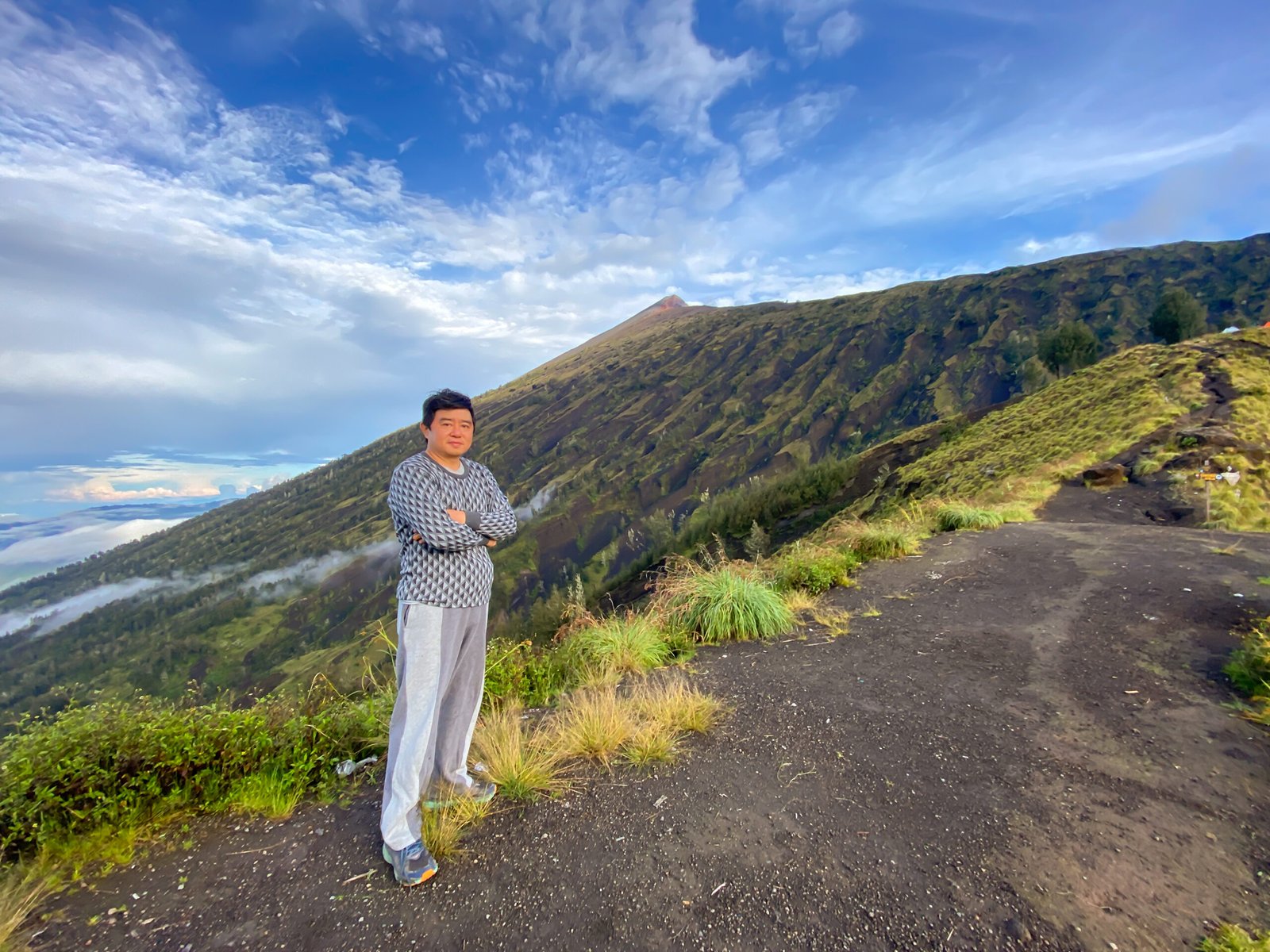
As visitor numbers increased, the need for stronger environmental protection became clear.
In response, the Mount Rinjani National Park Authority (TNGR), together with local communities and responsible trekking operators, launched the “Rinjani Go Zero Waste 2025” initiative.
This program aims to make Rinjani one of Indonesia’s first plastic-free trekking destinations.
Key principles include:
- Mandatory carry-in, carry-out waste systems
- Restrictions on single-use plastics
- Use of reusable bottles and containers
- Environmental education for trekkers
- Porter empowerment and fair labor practices
Eco-conscious operators such as Green Rinjani actively support this mission through waste management systems, guest education, and conservation activities.
The initiative reflects a broader understanding: protecting Rinjani means protecting Lombok’s future.

17. Official Trekking Routes of Mount Rinjani – Paths Shaped by History
The trekking routes of Mount Rinjani are not merely paths carved for adventure. Each route follows landscapes shaped by ancient eruptions, water systems, forests, and centuries of human interaction with the mountain.
After years of recovery and continuous management, Mount Rinjani National Park (TNGR) officially manages six recognized trekking routes, each reflecting a different side of Rinjani’s geography, culture, and ecological character.
The trekking season generally opens in April (or late March, depending on weather) and closes from January to March to allow ecosystem recovery during the rainy season.
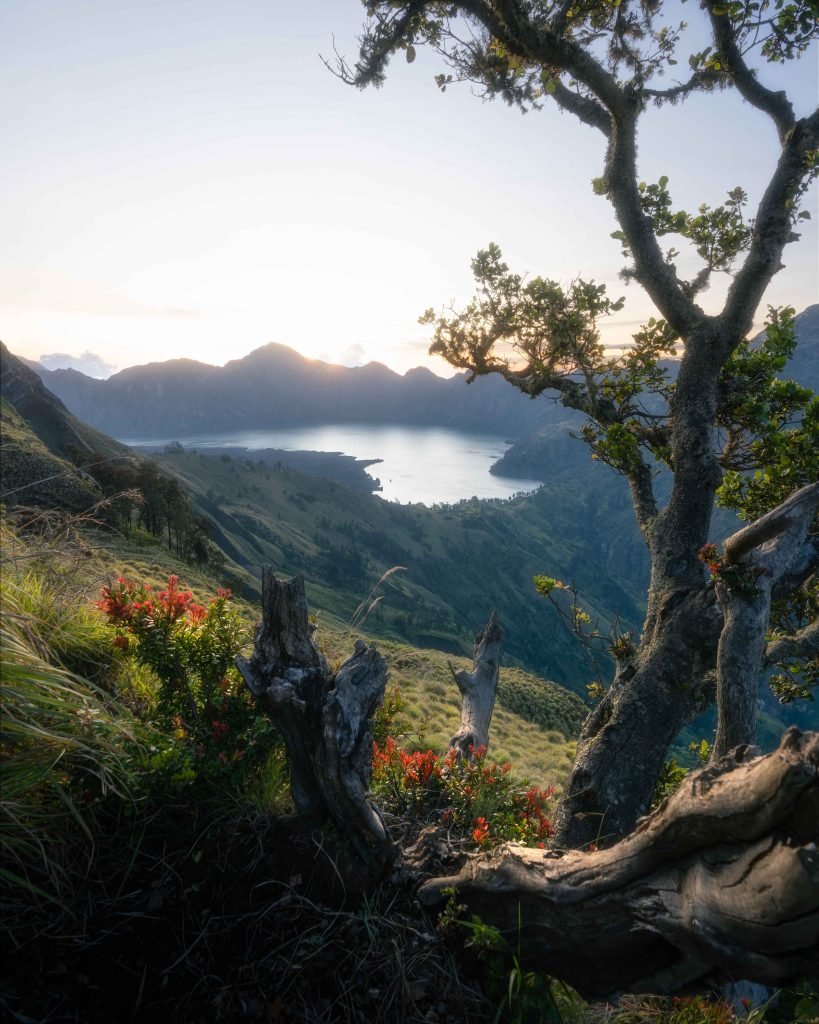
Sembalun Route – The Summit Trail (East Lombok)
The Sembalun route begins in Sembalun Village (1,156 m) and is the most direct path to the summit of Mount Rinjani.
This route crosses wide savanna landscapes formed by ancient lava flows and ash deposits from Samalas. The long ascent through the famous Seven Hills (Bukit Penyesalan) reflects the mountain’s volcanic past, where erosion has shaped rolling ridges and exposed terrain.
This route represents Rinjani’s raw power and scale, making it ideal for trekkers aiming to reach the summit and experience sunrise at 3,726 meters.
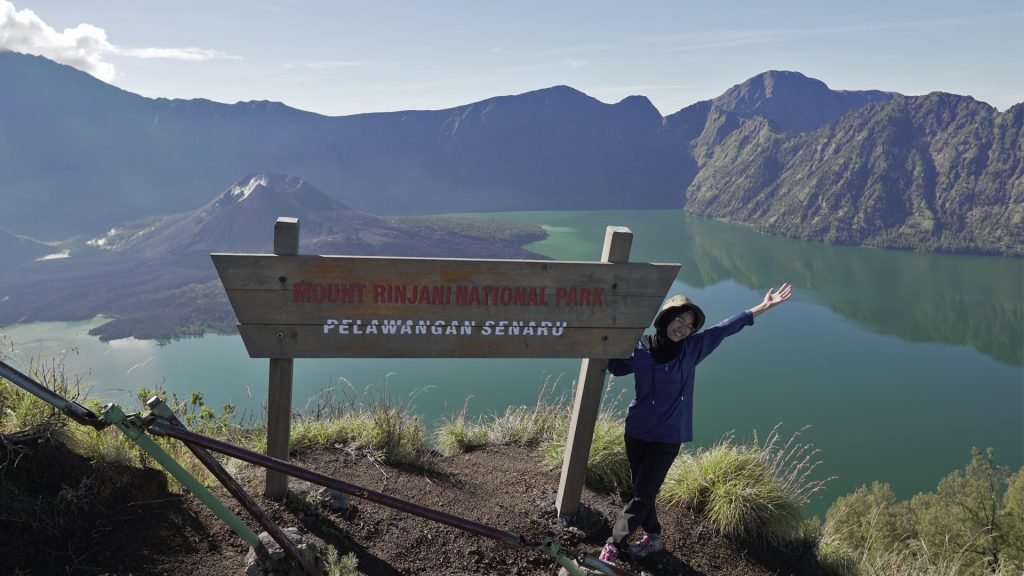
Senaru Route – The Classic Forest Trail (North Lombok)
Starting from Senaru Village (601 m), this route passes through dense tropical rainforest nourished by centuries of rainfall captured by Rinjani’s massif.
Waterfalls such as Sendang Gile and Tiu Kelep exist because of underground water channels formed after the Samalas eruption. The forest ecosystem here reflects regeneration after volcanic destruction.
The Senaru route leads to the crater rim overlooking Segara Anak Lake, offering one of the most spiritually significant viewpoints on the mountain.
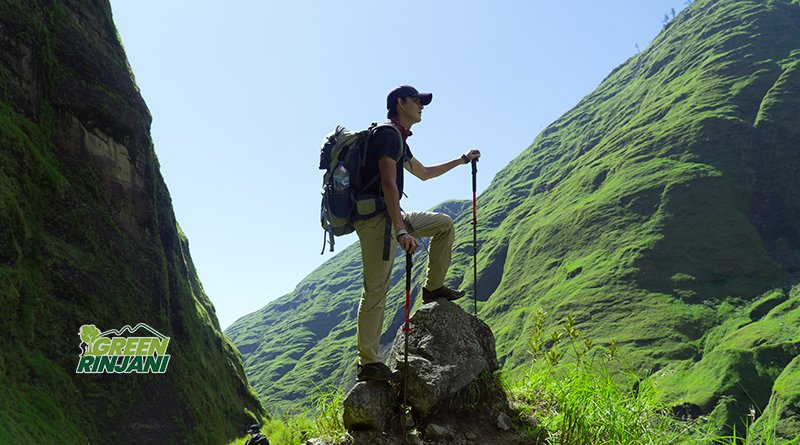
Torean Route – The Valley of Life (North Lombok)
The Torean route follows a dramatic valley system carved by water and volcanic activity.
Starting in Torean Village, this path passes rivers, hot springs, waterfalls, and lush vegetation that thrive due to mineral-rich volcanic soil. The route connects directly to Segara Anak Lake, showing how water and fire coexist within Rinjani.
Torean represents the gentler side of the mountain — life, healing, and balance.
Aik Berik Route – The Hidden Southern Path (Central Lombok)
Opened officially in 2022, the Aik Berik route begins in Aik Berik Village on Rinjani’s southern slopes.
This trail passes through thick rainforest, bird habitats, and pristine waterways. It reflects Rinjani’s role as a biodiversity reservoir and highlights eco-tourism development in partnership with local communities.
Tetebatu Route – Culture and Forest (East-Central Lombok)
The Tetebatu route connects coffee plantations, forest paths, and traditional villages.
Reopened for limited trekking since 2023, it offers a softer adventure experience focused on cultural immersion and forest ecosystems rather than summit climbing.
Timbanuh Route – The Explorer’s Trail (South Lombok)
Timbanuh is a quieter and more remote route on Rinjani’s southern flank. It remains partly regulated for research and advanced trekking due to its fragile terrain.
This route reflects Rinjani’s lesser-known landscapes and emphasizes solitude and respect for nature.
18. Annual Trekking Season Opening – A Ritual of Respect
Each year, before trekking officially begins, TNGR holds an Opening Ceremony in villages such as Sembalun, Senaru, or Aik Berik.
The ceremony includes:
- Traditional Sasak prayers (doa selamatan)
- Environmental pledges by guides and porters
- Symbolic tree planting
- Trail-cleaning activities
- Cultural performances
This ceremony reinforces a shared commitment: trekking is not exploitation, but cooperation with nature.
19. Reflection – Lessons from the History of Mount Rinjani
The history of Mount Rinjani is a lesson in transformation.
From the ancient fire of Samalas to the serene beauty of Segara Anak, every stage of the mountain’s evolution carries meaning. Destruction created renewal. Collapse formed life-supporting systems. Silence followed catastrophe.
Rinjani teaches humility. It reminds humanity that nature’s power is not only destructive, but deeply creative.
To walk on Rinjani is to step into Earth’s memory.
20. Timeline – Key Moments in the History of Mount Rinjani
- Before 1257 AD
Mount Samalas dominates northern Lombok, supporting forests and early settlements. - 1257 AD
One of the largest volcanic eruptions in human history reshapes Lombok and affects global climate. - 13th–15th Century
Mount Rinjani emerges within the Samalas caldera. Segara Anak Lake forms. Cultural beliefs develop. - Ancient Times – Present
Rinjani becomes the spiritual center of the Sasak people. Pekelem ceremonies continue. - August 2018
A major earthquake strikes Lombok, temporarily closing trekking routes. - 2018
Rinjani receives UNESCO Global Geopark and Biosphere Reserve status. - 2019–Present
Zero-waste trekking and conservation programs expand. - Today
Rinjani stands as a model of sustainable harmony between people and nature.
21. Why You Should Visit Mount Rinjani
The story of Mount Rinjani is still alive.
- Every trail carries memory.
- Every sunrise reflects thousands of years of transformation.
- Every step is a dialogue between past and present.
Climbing Rinjani is not about conquest. It is about connection — with nature, culture, and oneself.
Conclusion – The Eternal Mountain of Lombok
From the ancient fire of Mount Samalas to the sacred calm of modern Mount Rinjani, this mountain tells one of the most powerful and complete stories in Indonesia’s natural and cultural history. The long Mount Rinjani history is not a single event, but a continuous journey shaped by eruption, collapse, rebirth, belief, and coexistence.
Rinjani’s story is one of resilience and renewal. The destruction caused by the Samalas eruption did not mark an end, but the beginning of a new cycle of life. From the formation of Segara Anak Lake to the rise of Mount Barujari, every geological transformation reflects the balance between fire and water, danger and fertility. In this way, Mount Rinjani history stands as a living example of how nature rebuilds itself through time.
Beyond science and geology, Mount Rinjani carries deep spiritual meaning. For the people of Lombok, especially the Sasak community, Rinjani is not merely a landscape. It is a sacred mountain, a source of water, a guardian of life, and a place where human existence remains connected to natural law. Rituals, legends, and traditions passed down through generations ensure that Mount Rinjani history is remembered not only in records, but in daily life.
For travelers and learners
Rinjani is a living classroom. Every trail reveals layers of Earth’s past, every sunrise reflects centuries of change, and every quiet moment near Segara Anak reminds us of the planet’s immense power and patience. To walk on Rinjani is not simply to hike — it is to step into the ongoing history of the Earth itself.
And for the world, Mount Rinjani stands as proof that harmony between humans and nature is not an idealistic dream. It is achievable through respect, understanding, and responsible stewardship. The recognition of Rinjani as a UNESCO Global Geopark and Biosphere Reserve confirms its global importance — not only as a destination, but as a model for sustainable coexistence.
Experience Rinjani, Experience the Soul of Lombok
To understand Lombok, walk the paths shaped by Mount Rinjani history.
To understand Rinjani, walk with humility and respect.
Here, every change brings new life.
And every traveler who sets foot on this mountain becomes part of a story that continues to unfold — a story written by fire, water, time, and the enduring spirit of Lombok.
