
Lombok Island stands as one of Indonesia’s most diverse and authentic travel destinations. It offers travelers a compelling alternative to the more crowded tourist hotspots of Southeast Asia. Located just a short distance east of Bali across the Lombok Strait, this magnificent island has preserved its natural beauty, strong cultural heritage, and sense of adventure. This combination increasingly draws visitors seeking meaningful travel experiences. This comprehensive travel guide provides everything you need to know to plan your Lombok adventure. It covers practical transportation information, as well as detailed destination guides and tour recommendations.
Whether you dream of summiting an active volcano at sunrise, discovering secluded beaches with powder-white sand, swimming alongside sea turtles in crystal-clear waters, or immersing yourself in the rich traditions of the Sasak people, Lombok delivers these experiences with an authenticity that many destinations have lost to overtourism. The island’s relatively lower visitor numbers compared to Bali mean that you can still find moments of genuine solitude. Furthermore, you can connect with local communities and explore natural wonders without navigating overwhelming crowds. This guide serves as your definitive resource for understanding everything Lombok has to offer. It helps you make informed decisions about destinations, activities, and travel arrangements for an unforgettable Indonesian island experience.
Where Is Lombok Island?
Understanding the Geographic Context
Lombok Island occupies a strategic and beautiful position in the Indonesian archipelago. It forms part of the West Nusa Tenggara Province (Nusa Tenggara Barat or NTB) in southeastern Indonesia. The island sits nestled between two of Indonesia’s most famous destinations, creating a natural bridge between the heavily touristed Bali and the more adventurous Sumbawa and Flores regions. This geographic placement has shaped Lombok’s development as both a destination in its own right and a gateway to some of Indonesia’s most spectacular island experiences.
To the west, the Lombok Strait separates Lombok from Bali, with the narrowest point spanning approximately 35 kilometers. This relatively short distance means that travelers can easily hop between the two islands. As a result, a combined Bali-Lombok itinerary is one of the most popular vacation patterns in Indonesia. The strait itself holds geological significance, representing the boundary between the Asian and Australian continental plates. That explains the volcanic activity that created both islands. To the east, Lombok faces Sumbawa Island, which is connected by ferry services and shares many cultural and geographic characteristics with its neighbor. The Flores Sea washes against Lombok’s northern shores. Meanwhile, the vast Indian Ocean borders the island to the south, creating the dramatic southern beaches that have become synonymous with Lombok’s tourism appeal.
Lombok is part of the Lesser Sunda Islands chain
a group of islands extending eastward from Java and Bali toward Papua. The island ranks as the 153rd largest island in the world by land area, spanning approximately 4,725 square kilometers. Its elongated shape stretches roughly 80 kilometers from northwest to southeast, with a maximum width of about 70 kilometers. The island’s population of roughly 3.5 million inhabitants includes a majority Sasak ethnic group. Their distinct culture and traditions give Lombok its unique identity within Indonesia.
The physical geography of Lombok contributes enormously to its tourism appeal. The northern region is dominated by Mount Rinjani, Indonesia’s second-highest volcano at 3,726 meters, whose snow-capped peak (when visible) creates one of the most iconic vistas in all of Indonesia. The central region transitions from volcanic slopes to rolling hills and agricultural land. Meanwhile, the southern coastline reveals the stunning beaches and surfing breaks that have put Lombok on the map for beach lovers and adventure seekers alike. This geographic diversity means that visitors can experience dramatically different landscapes and ecosystems within a single island. These range from lush rainforest waterfalls to arid southern plains, and from traditional rice terraces to volcanic crater lakes.
Why Visit Lombok Island: The Case for Indonesia’s Hidden Gem
Lombok has emerged as a premier destination for travelers seeking authentic Indonesian experiences that transcend the typical tourist trail. While Bali continues to dominate Indonesia’s tourism landscape, Lombok offers a compelling alternative that appeals to those who value natural beauty, cultural immersion, and adventure over commercialized tourism infrastructure. Understanding what makes Lombok special helps travelers appreciate why this island deserves a prominent place on any Indonesia itinerary.
The most immediately apparent advantage of choosing Lombok over more crowded destinations is the relative tranquility of its beaches and natural attractions. While places like Kuta Beach in Bali can feel overcrowded during peak season, Lombok’s southern beaches retain a sense of space and serenity that allows visitors to truly connect with their surroundings. This is not to say that Lombok lacks development—significant tourism infrastructure has grown over the past decade—but rather that the island has maintained a scale and pace that feels more manageable and authentic. You can still find stretches of beach where you are the only person watching the sunset, something that has become increasingly rare in Southeast Asia.
The cultural richness of Lombok provides another compelling reason to visit.
The Sasak people, who constitute approximately 85 percent of the island’s population, have preserved their distinct traditions, crafts, and way of life to a remarkable degree. Unlike some tourist destinations where culture has become a performance for visitors, Lombok’s villages maintain their traditions as living practices. The handwoven textiles produced in villages like Sukarara, the pottery traditions of Penujak, and the architectural heritage of traditional Sasak houses in Banyumulek all represent genuine cultural expressions that visitors can witness and appreciate. This cultural depth adds meaningful dimension to any Lombok trip, transforming a beach holiday into a journey of discovery.
For adventure travelers, Lombok offers experiences that rival destinations anywhere in Southeast Asia.
Mount Rinjani presents one of the most spectacular volcano trekking opportunities in the region, with trails that lead through diverse ecosystems to stunning crater lakes and volcanic landscapes. The surfing breaks along the southern coast attract wave riders from around the world, while the clear waters surrounding the Gili Islands rank among the best snorkeling and diving sites in Indonesia. Waterfall enthusiasts will find numerous hidden gems throughout the island’s interior, and the relatively undeveloped nature of many attractions means that adventurous travelers can still discover places that feel genuinely off the beaten path.
The practical advantages of Lombok as a destination should not be overlooked. The island offers excellent value for money compared to more established tourist hotspots, with accommodations, food, and activities generally priced lower than equivalent experiences in Bali. The relatively compact size of the island means that diverse experiences are accessible within reasonable driving distances, allowing visitors to combine multiple activities without extensive travel. Additionally, the growing tourism infrastructure means that visitors can find services ranging from budget hostels to luxury villas, from simple warungs to fine dining restaurants, catering to a wide range of preferences and budgets.
How to Get to Lombok Island: Complete Transportation Guide
Reaching Lombok Island has become increasingly straightforward as tourism infrastructure has developed over the years. Travelers now have multiple options depending on their starting point, budget, and preferences for the journey itself. Understanding these transportation options helps visitors plan efficient itineraries and make informed decisions about how to incorporate Lombok into their broader Indonesian travel plans.
Air Travel to Lombok
Lombok International Airport (LOP), officially named Zainuddin Abdul Majid International Airport, serves as the primary gateway for visitors arriving by air. Located in Central Lombok near the town of Praya, the airport has expanded significantly in recent years to accommodate growing tourist traffic. The modern terminal building offers facilities including restaurants, shops, currency exchange, and car rental services, providing a comfortable arrival experience for international and domestic visitors alike.
Direct domestic flights to Lombok operate regularly from several major Indonesian cities. Jakarta, the capital and largest city, offers the most frequent connections with multiple daily flights from Soekarno-Hatta International Airport. The flight duration from Jakarta to Lombok is approximately 2 hours and 15 minutes, making the capital easily accessible for international visitors arriving through Jakarta’s major hub. Bali’s Ngurah Rai International Airport provides the shortest air connection, with flights of only 30-40 minutes making day trips from Bali surprisingly feasible, though most visitors choose to spend at least several days on Lombok. Surabaya, East Java’s largest city, also offers regular connections to Lombok, providing an alternative entry point for travelers exploring eastern Java.
International connections to Lombok have expanded in recent years, though options remain more limited than to Bali. Seasonal direct flights from Kuala Lumpur and Singapore operate periodically, and many international visitors choose to fly into Bali before taking a domestic flight or ferry to Lombok. The airport’s location proves convenient for accessing different regions of the island, situated approximately 1.5 hours from Senaru in the north (the primary base for Rinjani trekking), 45 minutes from Kuta in the south, and about 1 hour from Senggigi on the western coast.
Sea Access – Lombok Harbors & Ferry Routes
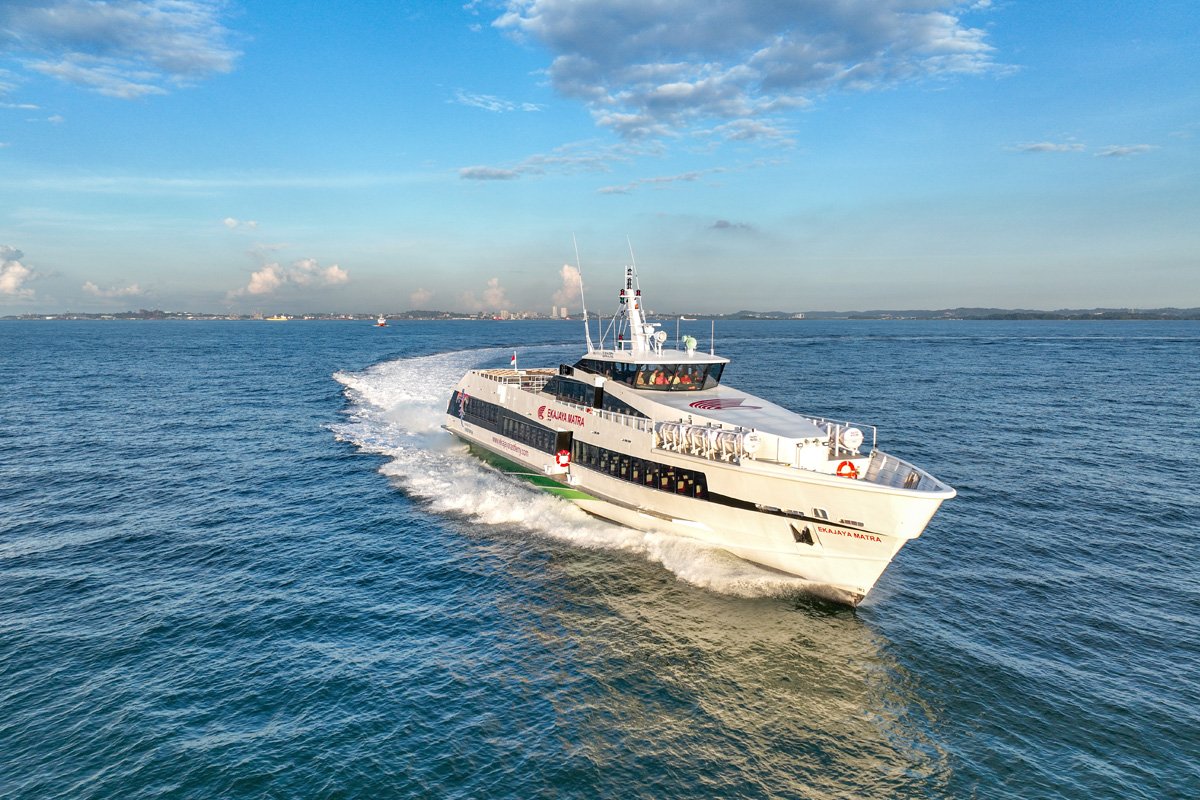
Sea travel plays an important role in Lombok’s connectivity with neighboring islands.
Lembar Harbor (West Lombok)
Lembar Harbor is Lombok’s main ferry port, connecting the island with Padang Bai (Bali). The public car ferry takes approximately 4–5 hours and accommodates passengers, vehicles, and cargo. This route is popular for travelers combining Bali and Lombok or traveling with vehicles.
Bangsal Harbor (North Lombok)
Bangsal Harbor serves as the primary public harbor for transfers to the Gili Islands (Gili Trawangan, Gili Meno, Gili Air). It operates public boats and fast boats and acts as the main island-hopping hub in North Lombok.
Teluk Nare Harbor
Located near Bangsal, Teluk Nare is used mainly for private fast boats and charter transfers to the Gili Islands, offering quicker and more organized departures.
East Lombok Local Harbors
Small ports in East Lombok provide access to Pink Beach and East Lombok Gili islands such as Gili Kondo and Gili Bidara, mainly via day-trip boats.
Getting Around Lombok Island: Transportation Guide
Navigating Lombok Island effectively requires understanding the local transportation landscape, which differs significantly from more developed tourist destinations. While public transportation options exist, they are limited in scope and frequency, making private transport the practical choice for most visitors seeking to maximize their time and access the island’s diverse attractions. This section provides comprehensive guidance on getting around Lombok efficiently and safely.
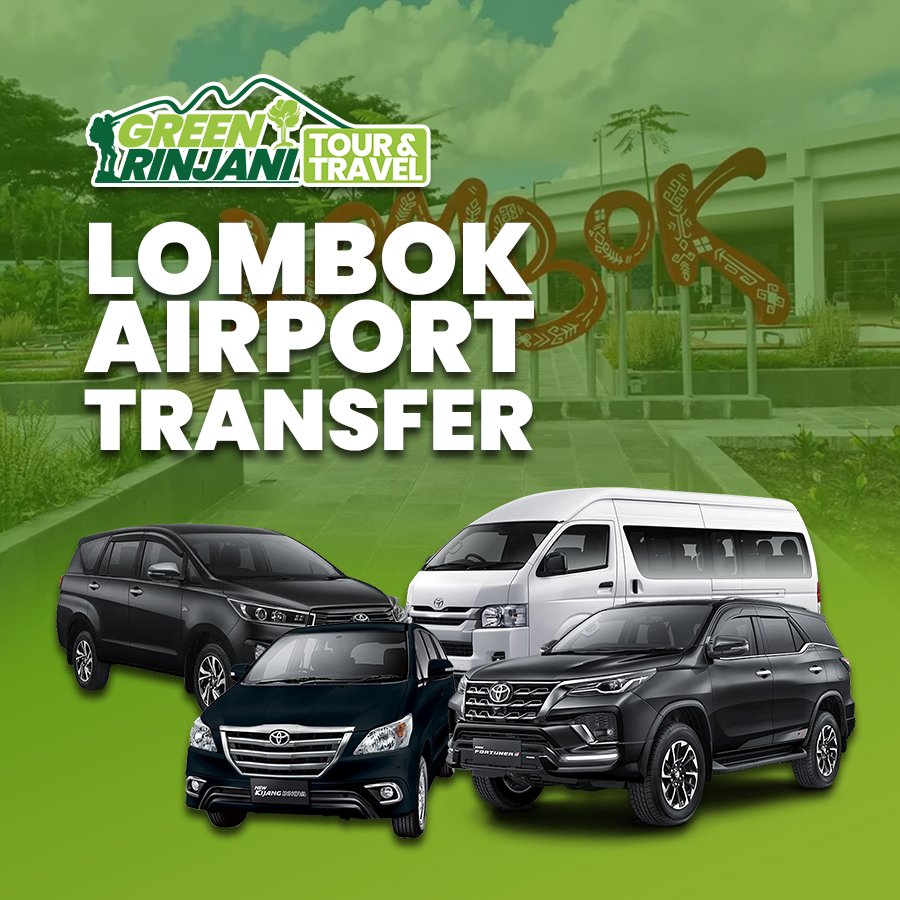
Private car with driver represents the most practical and popular transportation option for tourists exploring Lombok. This arrangement offers numerous advantages that justify the relatively modest cost. Drivers are typically available through hotels, travel agencies, or tour operators, and can be arranged for single trips, full-day excursions, or multi-day packages. The advantages of private transport include flexible scheduling that adapts to your interests and pace, direct routes that skip unnecessary stops, access to remote locations not served by public transport, air-conditioned comfort during Lombok’s warm climate, and the local knowledge that drivers often share about hidden gems and practical tips. Day trip rates for private car and driver typically range from reasonable to premium depending on the vehicle type and duration, with most operators offering 8-10 hour packages that provide ample time for comprehensive exploration.
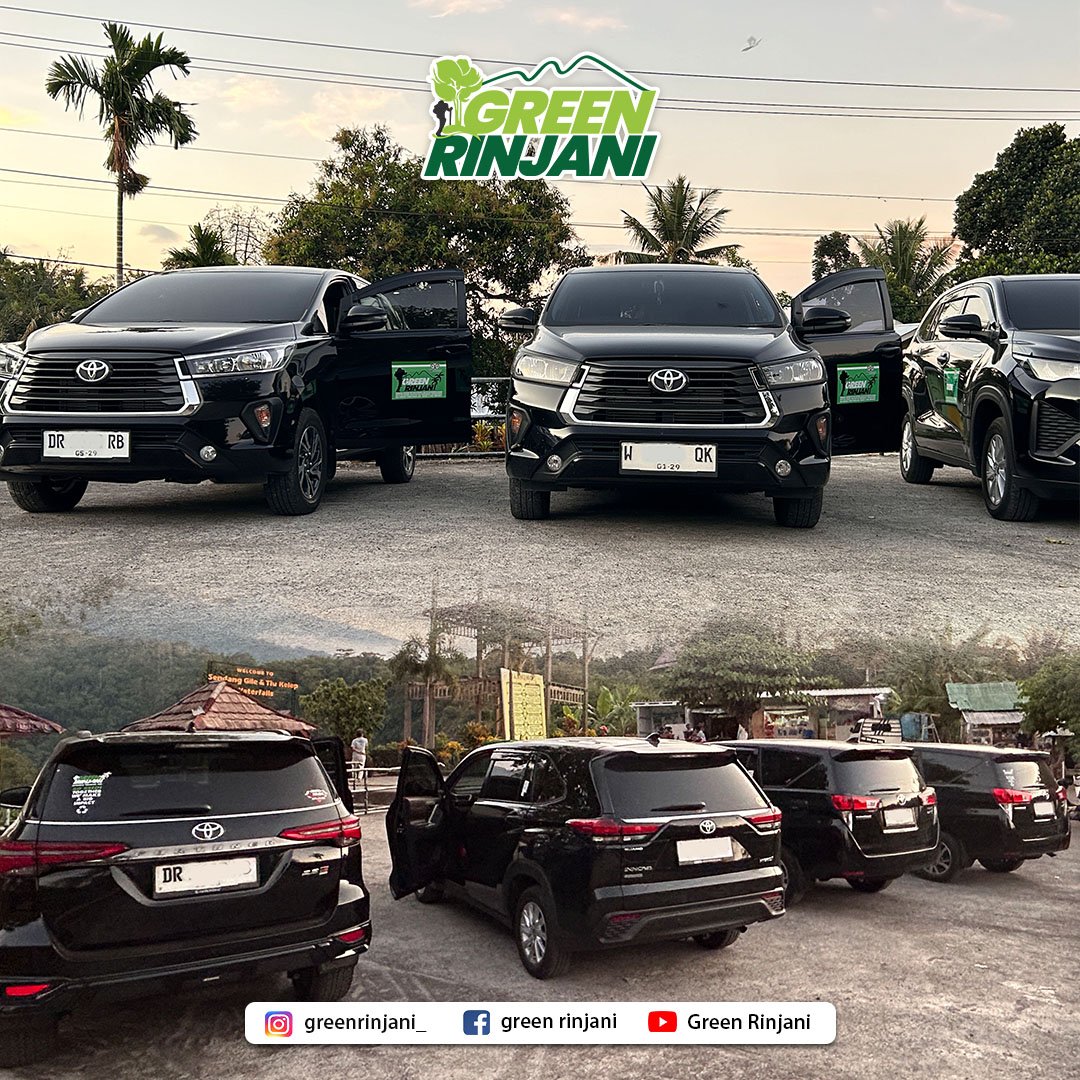
Airport and harbor transfers represent the most common first interaction with Lombok’s transportation system.
Reputable tour operators and hotels typically offer these services, ensuring reliable pickup with flight tracking to accommodate delays. The drive from Lombok International Airport to major tourism areas takes approximately 45 minutes to Senggigi, 1 hour to the Gili Islands via Bangsal Harbor, 1.5 hours to Senaru for Rinjani trekking, and 45 minutes to Kuta in the south. Booking transfers in advance through your accommodation or a trusted operator eliminates the uncertainty of finding transport upon arrival and ensures competitive pricing.
For visitors planning extended stays who wish to explore independently, motorcycle rental provides flexibility and cost savings. Scooters and motorcycles are available for daily rental throughout tourism areas, with prices varying based on vehicle type and rental duration. This option suits confident riders comfortable with Indonesian traffic conditions, which differ from Western standards in terms of lane discipline, roundabout navigation, and the presence of animals on roads. Helmets are legally required, and responsible operators will provide them along with basic instructions. Those choosing this option should note that Lombok’s interior roads can be steep and winding, particularly in the Rinjani area, requiring appropriate skill levels.
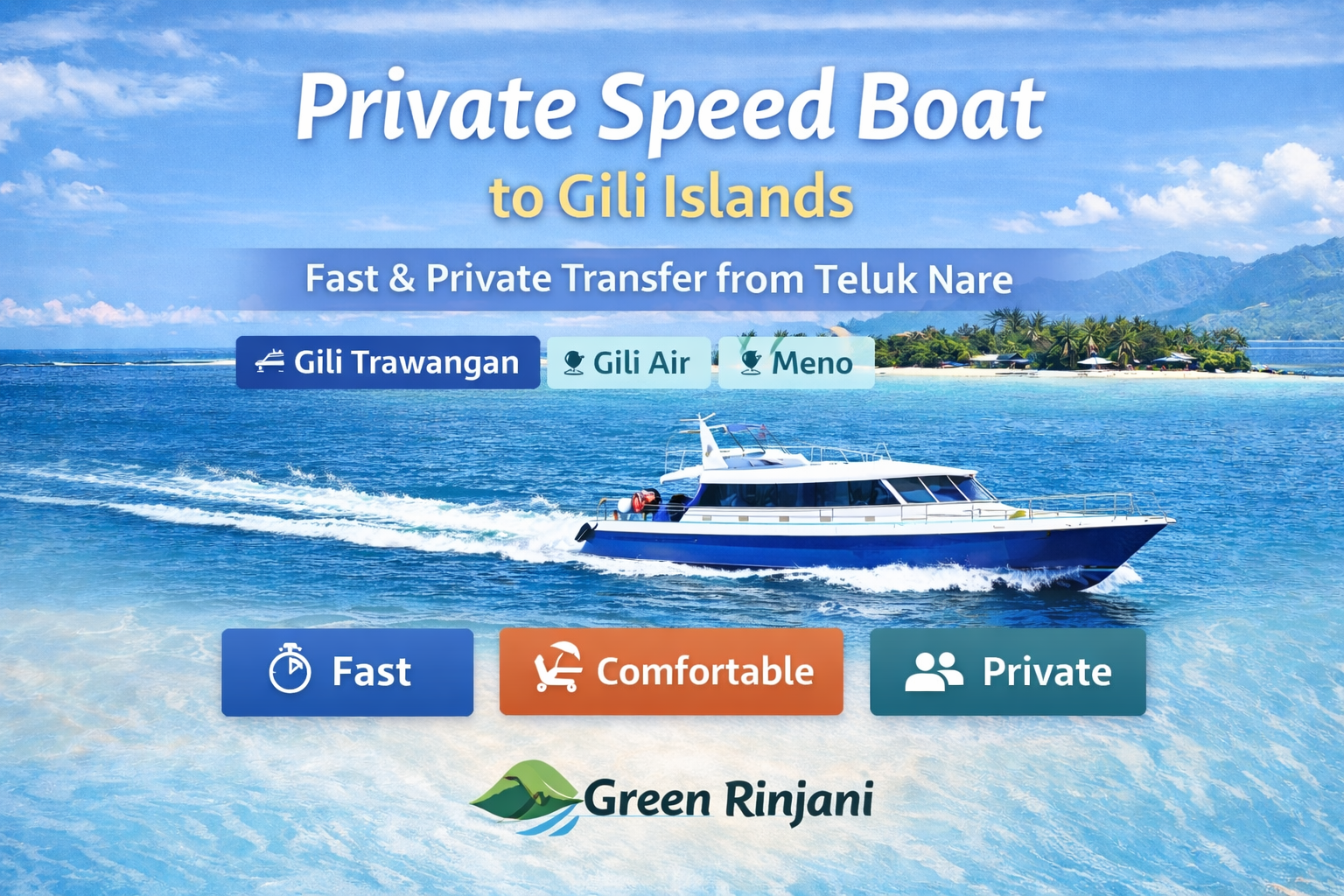
The Gili Islands present a unique transportation scenario worth understanding separately.
These small islands prohibit motorized vehicles entirely, with local transport consisting of cidomo (horse-drawn carts) and bicycles. Visitors arriving at the Gilis leave their luggage with porters who transport it to accommodations via cidomo, while walking or cycling provides the primary means of getting around once on the islands. This vehicle-free environment contributes significantly to the islands’ tranquil atmosphere and should be factored into planning, particularly for visitors with mobility concerns or significant luggage.
Lombok Destinations by Region: A Comprehensive Guide
Lombok Island’s diverse geography means that different regions offer distinctly different experiences. Understanding the character of each area helps visitors plan efficient itineraries that maximize their time while accessing the attractions that most align with their interests. This section provides detailed guidance on the four primary tourism regions of Lombok: North, Central, East, and West.
North Lombok
Mount Rinjani • Waterfalls • Gili Islands Access
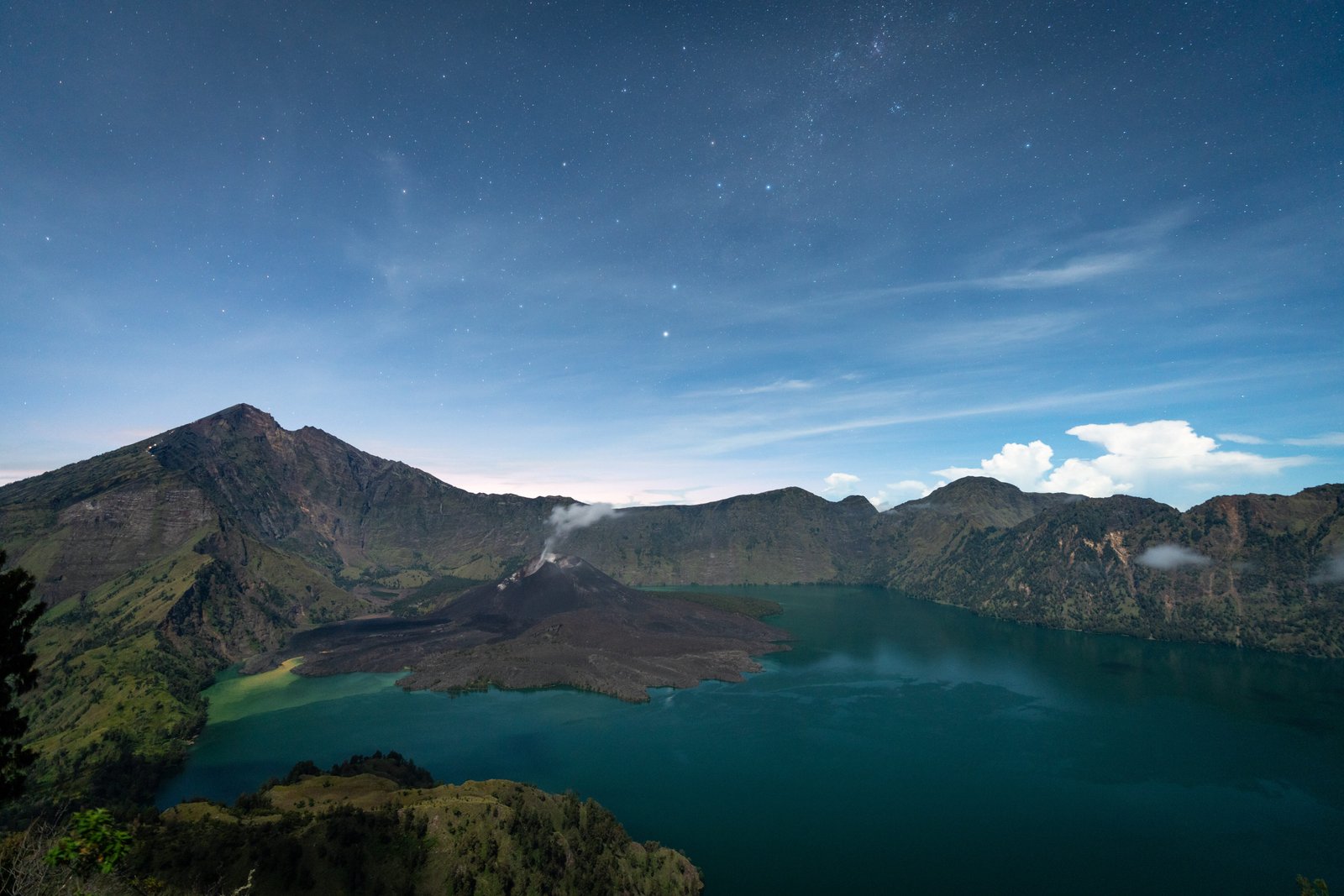
North Lombok is the island’s adventure and nature heartland, dominated by Mount Rinjani National Park. This region is best known for trekking, waterfalls, cooler mountain climate, and access to the famous Gili Islands.
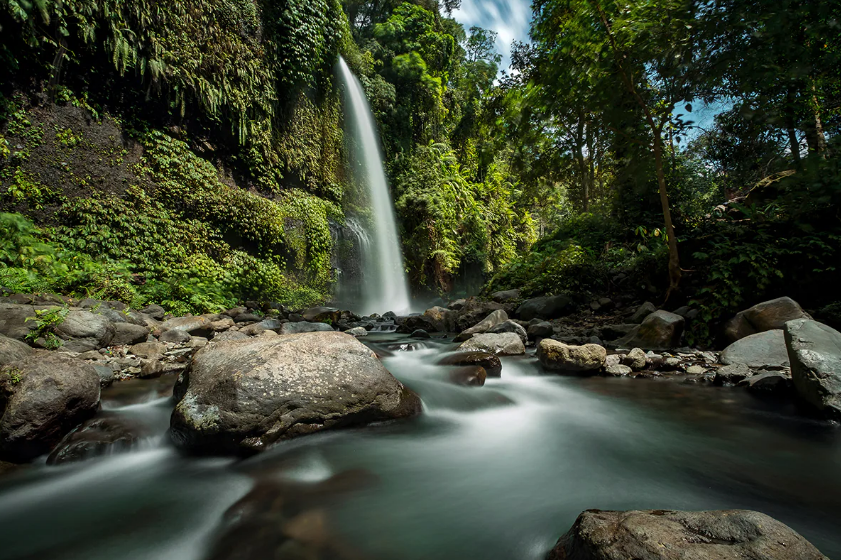
The main village, Senaru, serves as the primary gateway for Rinjani trekking and offers access to iconic waterfalls such as Sendang Gile and Tiu Kelep. The landscape transitions from tropical rainforest to alpine terrain, making North Lombok ideal for nature lovers and hikers.
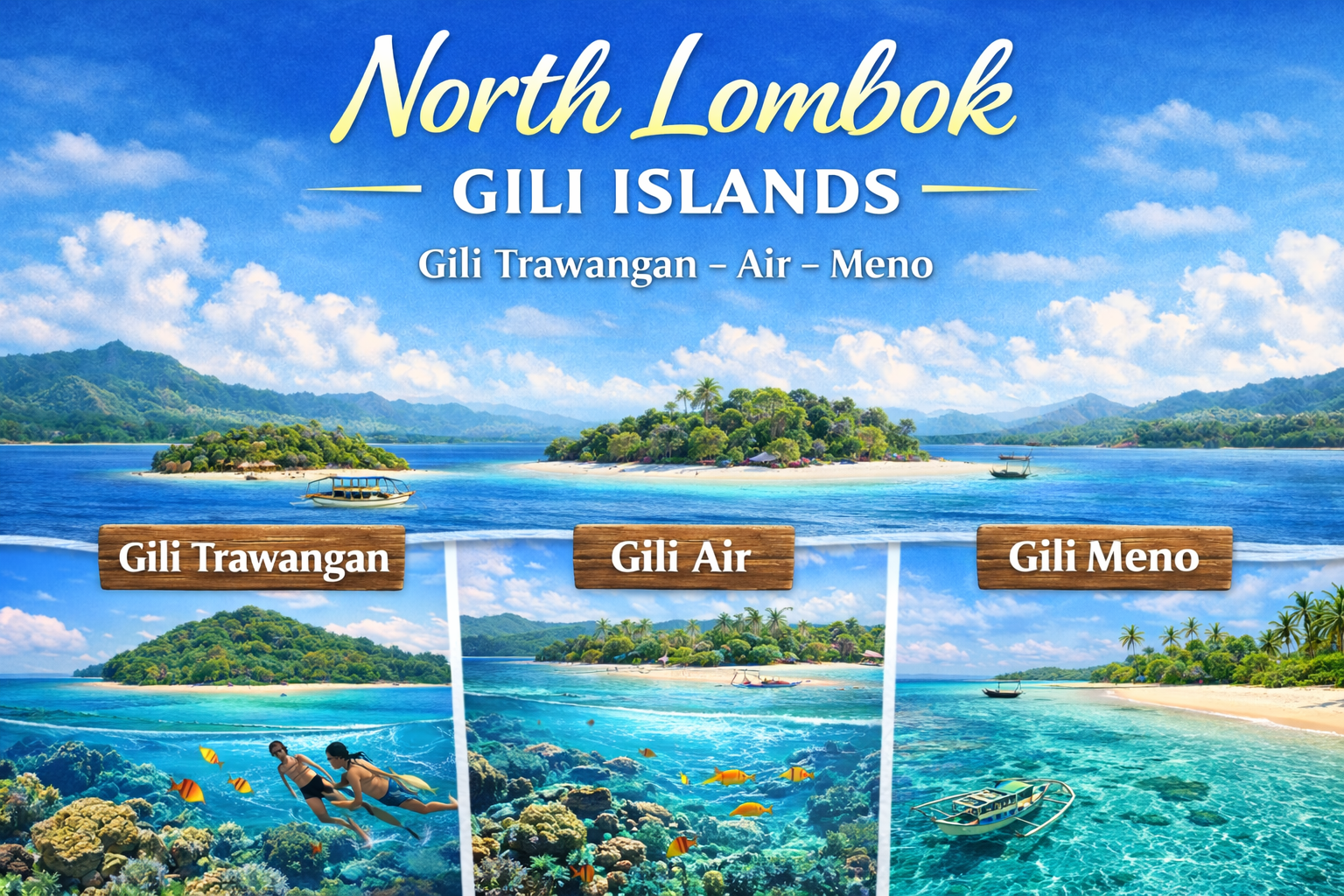
North Lombok is also home to Bangsal Harbor, the main public port for transfers to Gili Trawangan, Gili Meno, and Gili Air. These islands are famous for snorkeling, diving, and a vehicle-free island lifestyle.
Best for:
Trekking, waterfalls, snorkeling, mountain scenery, Gili Islands trips
South & Central Lombok
Beaches • Surfing • Mandalika Area
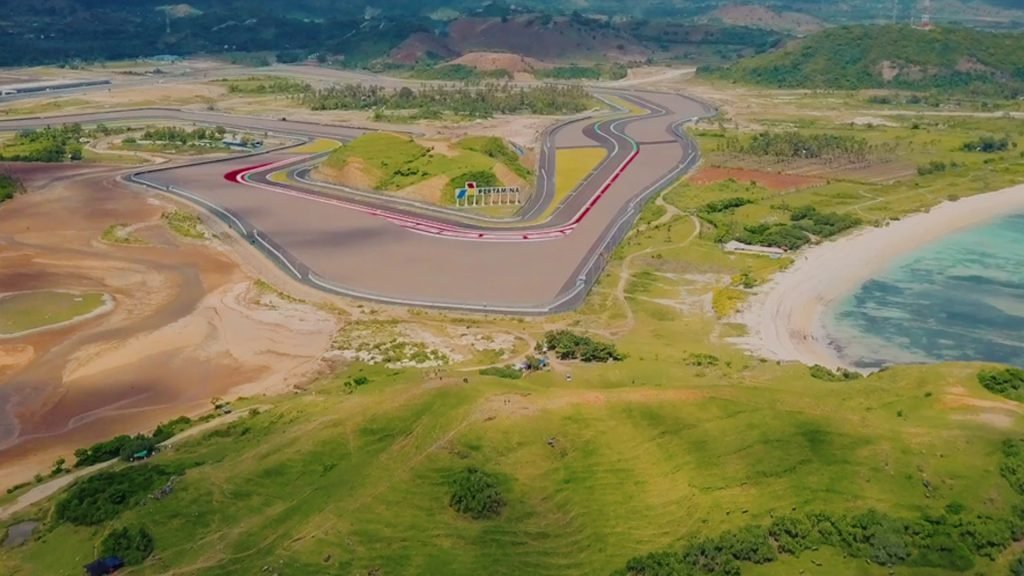
South Lombok, centered around Kuta Mandalika, is Lombok’s main beach and coastal tourism region. It features wide white-sand beaches, turquoise waters, rolling hills, and consistent surf conditions.
Popular beaches include Kuta Beach, Tanjung Aan, and Selong Belanak, each offering different atmospheres—from swimming and relaxing to beginner-friendly surfing. Compared to Bali, these beaches remain more open and less crowded.
The Mandalika area has become increasingly accessible due to improved infrastructure, making South Lombok a convenient base for beach hopping and coastal exploration.
Best for:
Beaches, surfing, scenic viewpoints, relaxed coastal stays
East Lombok
Highlands • Traditional Villages • Hidden Islands
East Lombok offers a quieter and more traditional travel experience, with fewer visitors and strong cultural character. This region is defined by highland landscapes, farming villages, and remote coastal areas.
Sembalun Village, located on the eastern slopes of Mount Rinjani, is known for its wide valleys, cooler climate, and hiking destinations such as Pergasingan Hill. East Lombok is also the access point for Pink Beach (Pantai Merah) and lesser-known islands like Gili Kondo and Gili Bidara, ideal for peaceful snorkeling trips.
This region suits travelers who prefer soft adventure, cultural immersion, and off-the-beaten-path destinations.
Best for:
Highland scenery, light hiking, hidden beaches, quiet island hopping
West Lombok
Easy Access • Senggigi • Secret Gili Islands
West Lombok is the island’s main entry point for travelers arriving by sea from Bali and offers a balance between convenience and natural beauty.
The Senggigi area is a long-established tourism zone with beachfront resorts, restaurants, and sunset viewpoints overlooking the Lombok Strait. From here, travelers can easily reach North Lombok, Central Lombok, or take boat trips to nearby islands.
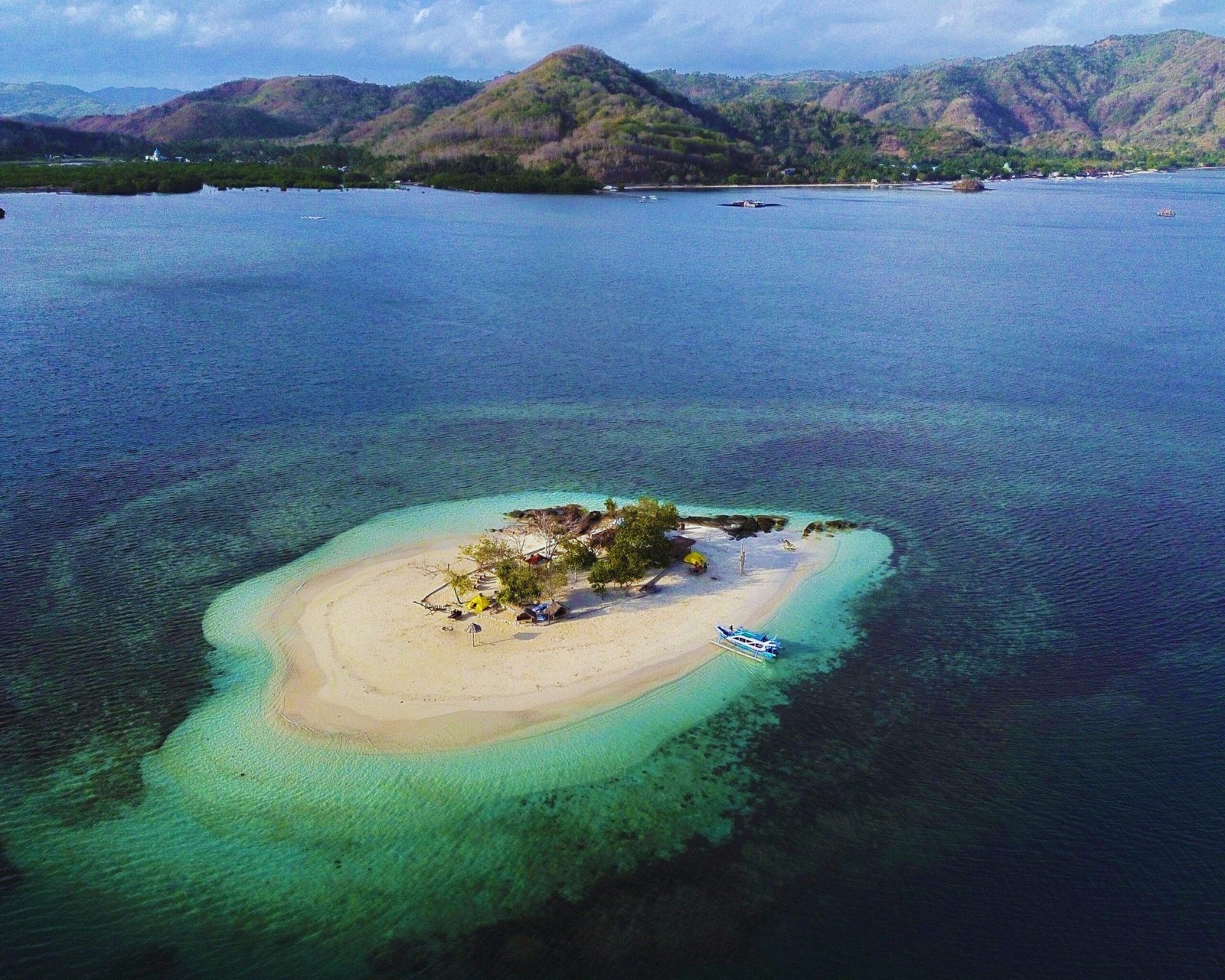
Southwest of Senggigi lies the Sekotong Peninsula, home to the so-called Secret Gilis such as Gili Nanggu, Gili Sudak, and Gili Kedis. These islands are known for clear water, shallow reefs, and a much quieter atmosphere compared to the northern Gilis.
Lembar Harbor, Lombok’s main ferry port from Bali, is also located in West Lombok.
Best for:
Easy access, island hopping, snorkeling, relaxed coastal stays
West Lombok
Main Sea Gateway • Senggigi Coast • Sekotong & Secret Gilis
West Lombok is Lombok’s main sea gateway and one of the most convenient regions for travelers arriving from Bali. The area offers easy access, established facilities, and scenic coastlines. This makes West Lombok an ideal starting point before exploring other parts of the island.
Senggigi & West Coast Area
The Senggigi coastline is the most well-known tourism area in West Lombok. It stretches along the western shore and features beachfront resorts, hotels, restaurants, cafés, and sunset viewpoints facing the Lombok Strait. On clear days, Mount Rinjani appears in the distance and enhances the sunset scenery.
Senggigi is well connected by road and works as a practical base for travelers seeking comfort and accessibility. From here, visitors can travel north to Bangsal Harbor and the Gili Islands, east to Central Lombok, or south to the Sekotong Peninsula with ease.
Lembar Harbor – Lombok’s Main Ferry Port
Lembar Harbor is located in West Lombok and serves as the island’s main public ferry port. It plays a key role in Lombok’s transportation network. The harbor connects Lombok with Padang Bai Harbor in Bali through regular car ferry services.
These ferries carry passengers, vehicles, and cargo. For travelers arriving from Bali by sea, Lembar Harbor is the most common entry point. From Lembar, road access to Senggigi, Kuta Mandalika, and Lombok International Airport is direct and efficient.
Sekotong Peninsula & the Secret Gili Islands
The Sekotong Peninsula lies southwest of Senggigi and remains one of Lombok’s most underrated coastal areas. The region is lightly developed and known for quiet beaches, calm bays, and clear shallow waters. It also provides easy access to the Secret Gili Islands.
Popular islands in this area include:
- Gili Nanggu – white sand beaches and easy snorkeling
- Gili Sudak – calm atmosphere with simple beachfront dining
- Gili Kedis – a tiny sand island ideal for short visits and photos
These islands suit travelers who want snorkeling and island hopping without crowds. Boat trips usually depart from local Sekotong beaches. Most trips can be done as half-day or full-day excursions.
Travel Character of West Lombok
West Lombok is not focused on trekking or surfing. Instead, it suits travelers who prefer easy travel and coastal relaxation. The region works well for:
- First-time visitors to Lombok
- Families and relaxed travelers
- Guests combining Bali and Lombok trips
- Snorkeling and island-hopping experiences
Best for:
Easy arrival from Bali, sunset views, snorkeling, Secret Gili islands, relaxed coastal stays
Lombok Awaits: One Island, Endless Experiences
Lombok is not a destination that reveals itself in one place or one moment. It is an island of contrast and connection—where volcanic highlands meet quiet beaches, where living traditions shape daily life, and where adventure and calm exist side by side.
From the summit trails of Mount Rinjani in the north, to the open coastlines of the south, the highland villages of the east, and the easy sea gateways of the west, Lombok offers a complete island experience within a single journey. Each region tells a different story, yet together they form a destination that feels balanced, authentic, and deeply rooted in nature.
Unlike many overdeveloped island destinations, Lombok still allows travelers to move at their own pace. You can explore without crowds, connect with local communities, and experience landscapes that feel real and unfiltered. Whether your journey is driven by adventure, relaxation, culture, or discovery, Lombok gives you the space to experience it fully.
This page is your starting point. From here, every path leads deeper—into mountains, villages, islands, and stories that define Lombok beyond the surface.
Lombok is not just a place to visit.
It is an island to explore, to understand, and to return to.
