
Mount Rinjani is located on Lombok Island, West Nusa Tenggara, Indonesia, and rises to 3,726 meters above sea level, making it the second-highest volcano in Indonesia. More than just a mountain, Mount Rinjani is a protected national park, an active volcanic system, and one of Southeast Asia’s most demanding trekking destinations.
Trekking Mount Rinjani is not a casual hike. It is a multi-day mountain expedition that combines long trekking distances, steep elevation gain, changing weather, cold temperatures at night, and strict national park regulations. Each route presents different challenges, from dense rainforest and crater rim camping to exposed summit ridges and volcanic valleys.
Because of these conditions, proper knowledge and preparation are essential. This guide is created to provide clear, complete, and practical information about Mount Rinjani trekking. It explains where the mountain is located, which routes are available, how difficult the trek is, when the best season is, how permits work, and what safety standards are required.
Whether you are planning a short crater rim trek, a summit program, or a longer expedition including Segara Anak Lake and hot springs, understanding these fundamentals will help you choose the right route, prepare correctly, and trek responsibly.
Mount Rinjani rewards well-prepared trekkers with dramatic landscapes, powerful natural scenery, and a deep sense of achievement. However, it demands respect, physical readiness, and adherence to official rules. This guide is your starting point to understanding what trekking Mount Rinjani truly involves—before you step onto the trail.
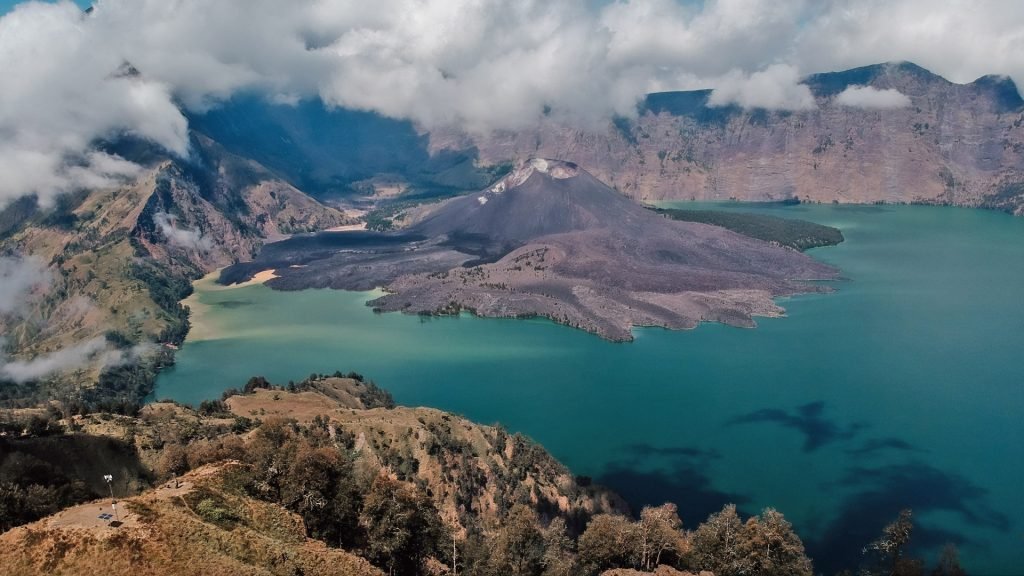
Where Is Mount Rinjani Located?
Mount Rinjani lies in North Lombok, inside Mount Rinjani National Park (Taman Nasional Gunung Rinjani – TNGR), a protected conservation area established to regulate trekking activities and preserve the mountain’s ecosystem and cultural heritage.
Geographical overview:
- Island: Lombok, Indonesia
- Province: West Nusa Tenggara (NTB)
- Elevation: 3,726 meters
- Landscape: Volcano, caldera, crater lake, rainforest, savannah
All trekking activities must follow TNGR rules and can only be done through official routes and registered operators.
Why Trek Mount Rinjani?
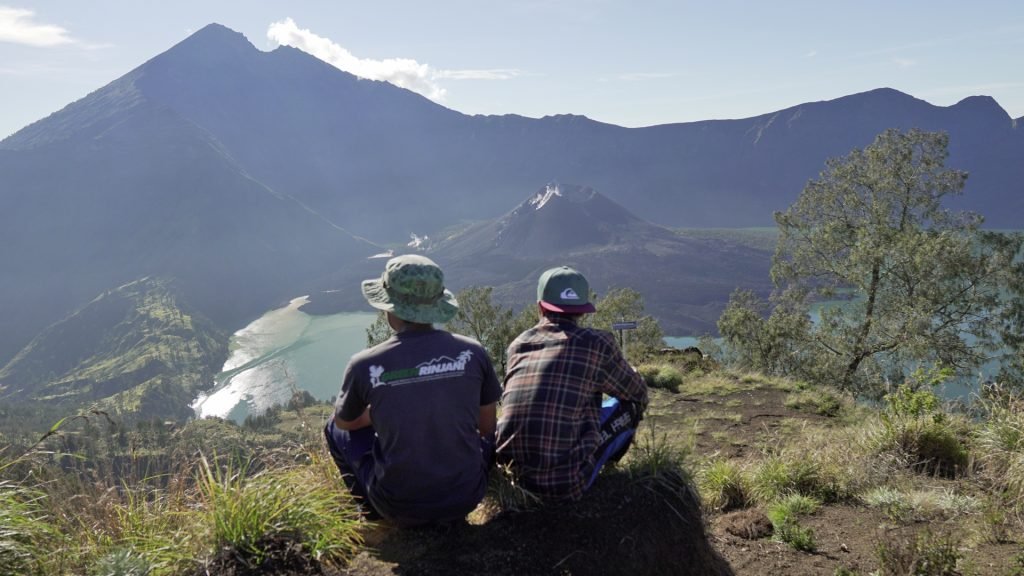
Mount Rinjani offers a trekking experience that is both physically demanding and deeply rewarding. Trekkers pass through:
- Tropical rainforest
- Open savannah and volcanic ridges
- High-altitude crater rims
- Segara Anak crater lake
- The active volcanic cone of Mount Barujari
From the summit, trekkers can witness sunrise above the clouds, panoramic views of Lombok, and on clear days even Mount Tambora in Sumbawa.
This combination of dramatic landscape, altitude challenge, and cultural significance places Mount Rinjani among the world’s most iconic trekking destinations.
Mount Rinjani Trekking Guide Official Trekking Routes on Mount Rinjani
Mount Rinjani National Park officially recognizes four trekking routes. Trekking outside these routes is illegal and unsafe.
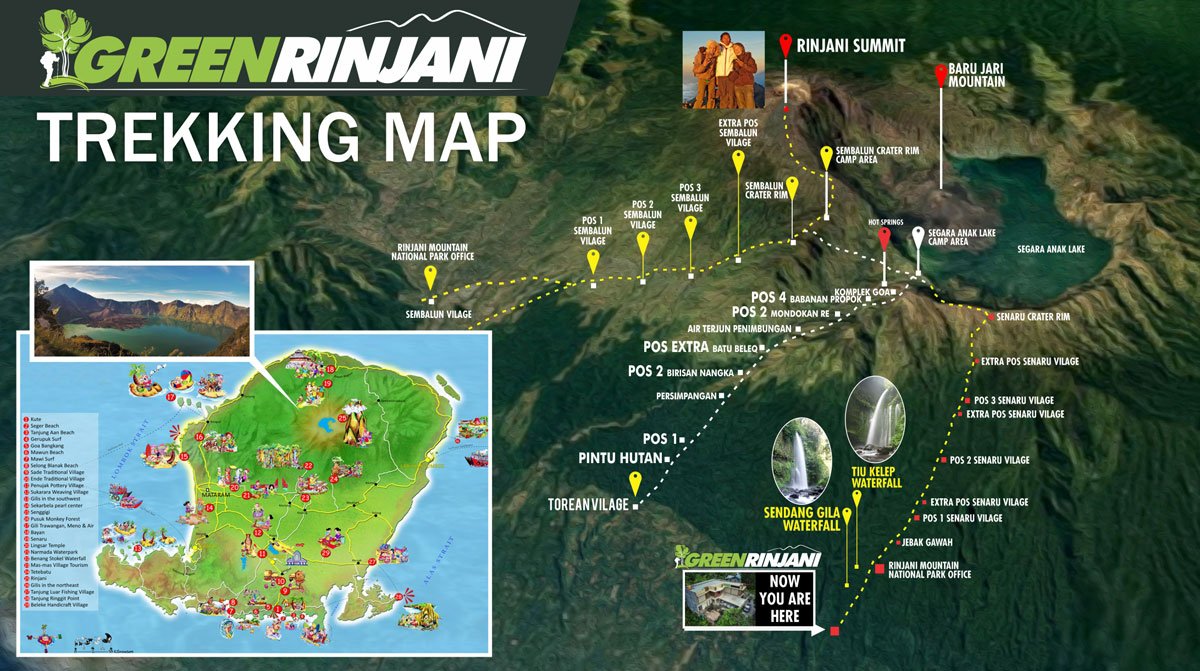
Sembalun Route – Summit Route (East Rinjani)
- Start point: Sembalun Village (1,156 m)
- Main destination: Mount Rinjani Summit (3,726 m)
- Terrain: Open grassland, long gradual climbs, volcanic sand
- Famous section: Seven Hills (Tujuh Bukit)
This is the main route to the summit and is used for most 3–5 day summit programs. Daytime temperatures can be hot, and shade is limited.
Best for:
- Summit seekers
- Experienced or physically prepared trekkers
Senaru Route – Forest Route (North Rinjani)
- Start point: Senaru Village (601 m)
- Main destination: Senaru Crater Rim
- Terrain: Dense rainforest, stone steps, shaded trails
This route offers cooler temperatures and lush scenery. It is often used for 2D1N crater rim treks and as part of longer summit itineraries.
Best for:
- Crater rim trekking
- Beginners with good fitness
- Trekkers who prefer forest scenery
Torean Route – Valley & River Route (Northwest Rinjani)
- Exit point: Torean Village
- Terrain: River valleys, waterfalls, rocky and narrow paths
- Highlights: Segara Anak Lake, hot springs
The Torean Route is usually used as a descent route after summiting via Sembalun.
While highly scenic, the route includes more technical sections and requires strong balance and endurance.
Best for:
- Experienced trekkers
- Descent after summit programs
Tetebatu Route – Eco Trekking Route (South Rinjani)
- Start point: Tetebatu Village
- Terrain: Rice fields, bamboo forest, waterfalls
- Elevation: Low to mid-altitude
This route does not reach the summit or crater lake. It focuses on nature walks and village life.
Best for:
- Soft trekking
- Cultural and eco-tourism experiences
Trekking Difficulty & Physical Challenge
Mount Rinjani is considered moderate to difficult, depending on the route and program.
You should expect:
- Long uphill walking on Day 1
- Very steep and sandy terrain during summit push
- Cold temperatures and strong wind at night
- Physical fatigue, especially on summit day
This trek is not recommended for:
- People with serious heart or respiratory conditions
- Guests without basic physical preparation
- Those expecting comfort or easy trails
Good fitness, strong legs, and mental endurance are more important than prior trekking experience.
Trekking Season & Weather Conditions
Official trekking season:
- Open: April to December
- Closed: January to March (rainy season & ecosystem recovery)
Weather overview:
- Crater rim night temperature: 5–10°C
- Summit before sunrise: 0–5°C
- July–September: Dry season, busiest months
- April–June & October: Fewer crowds, variable weather
Weather on Mount Rinjani can change rapidly. Strong wind, fog, and cold are common at high altitude.
Permits & National Park Regulations
All trekkers must:
- Register through an official operator
- Hold a valid trekking permit issued by TNGR
- Follow daily trekking quotas (limited number of visitors)
Permits include:
- National park entry
- Basic trekking insurance
- Official registration
Trekking without permits or guides is strictly prohibited.
Guides, Porters & Safety Standards
National Park regulations require all trekkers to be accompanied by licensed guides and porters.
Guides are responsible for:
- Route navigation
- Pace management
- Safety decisions and emergency response
Porters:
- Carry camping equipment, food, and water
- Prepare camps and meals
- Carry waste back down the mountain
Trekkers usually carry only a small daypack (5–8 kg).
Facilities on the Mountain
Mount Rinjani is a wilderness area. There are:
- No permanent toilets
- No shelters or cabins
- No shops or electricity
Facilities provided during trekking:
- Portable toilet tents at camps
- Drinking water carried from villages
- Hot springs access on longer routes (Segara Anak area)
Eco Rules & Zero Waste Trekking
Mount Rinjani follows strict carry-in, carry-out rules.
Trekkers must:
- Bring all trash back down
- Avoid single-use plastics
- Respect wildlife and sacred areas
- Follow guide instructions at all times
Responsible trekking protects the mountain and supports local communities.
Preparation Tips Before Trekking
- Train with walking, hiking, or cardio before arrival
- Bring proper trekking shoes and warm layers
- Stay hydrated and rest well before the trek
- Arrive in Lombok at least one day before trekking
Proper preparation greatly improves safety and enjoyment.
Final Notes – Trek Responsibly
Mount Rinjani is not just a trekking destination. It is a protected national park, a water source for Lombok, and a sacred mountain for local communities.
Trekking Mount Rinjani responsibly means:
- Understanding the routes and difficulty
- Respecting regulations and local culture
- Choosing proper preparation over shortcuts
When approached with respect and readiness, Mount Rinjani offers one of the most powerful and unforgettable trekking experiences in Indonesia.
