
Complete Guide to Sembalun, Senaru, Torean and Route Combinations
Mount Rinjani trekking routes do not offer one single experience. Each route gives a very different journey depending on where you start, where you finish, what terrain you cross, and what your main trekking goal is.
Some routes are designed for summit trekking. Some are better for crater rim views. Others are used for lake, hot springs, valleys, waterfalls, forest trekking, or soft eco-trekking.
Many trekkers assume that all Mount Rinjani trekking routes are similar. In reality, the route you choose can completely change your trekking experience. The difficulty level, scenery, daily walking time, weather exposure, and physical demand can be very different from one route to another.
This guide helps you understand the most popular Mount Rinjani trekking routes before booking, so you can choose the right route based on your fitness level, available time, trekking goal, and comfort with mountain terrain.
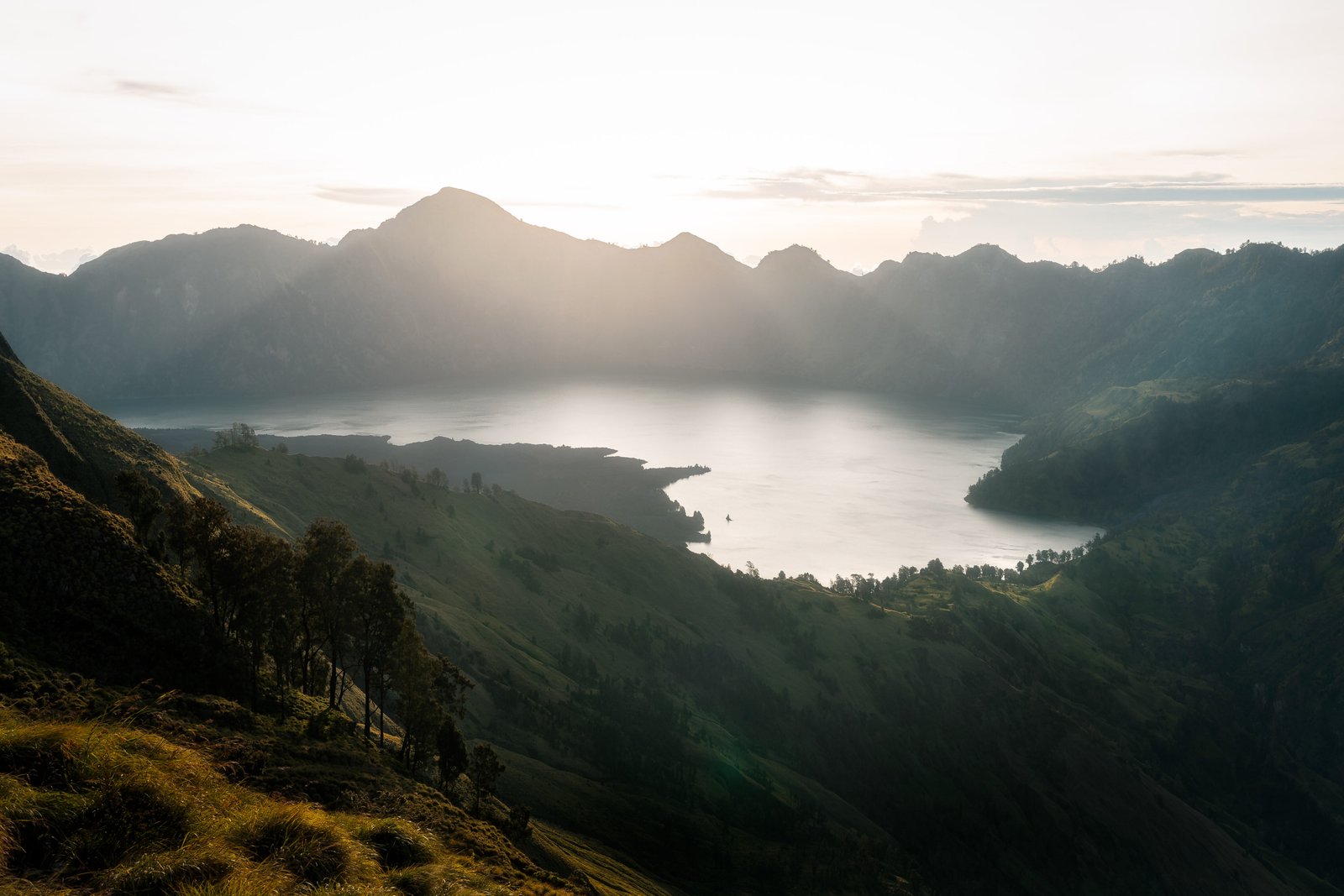
What You Will Learn from This Guide
By reading this Mount Rinjani trekking routes guide, you will understand:
- The main differences between Sembalun, Senaru, and Torean routes
- Which route is best for summit trekking
- Which route is best for crater rim views
- Which route is best for lake and hot springs
- Which route is more suitable for beginners
- Which route is more technical or physically demanding
- How common route combinations work
- Common mistakes trekkers make when choosing a route
- How to choose the route that fits your body, time, and goal
This is not only a general route overview. It is a practical trekking route guide designed to help you prepare realistically before entering Mount Rinjani National Park.
Quick Overview – Which Rinjani Route Is Right for You?
| Trekking Goal | Recommended Route | Best For |
|---|---|---|
| Reach the summit at 3,726 m | Sembalun Route | Summit trekkers and strong hikers |
| See Segara Anak Lake from the crater rim | Senaru Route | Crater rim trekking and non-summit programs |
| Visit lake, hot springs, and scenic valley | Torean Route | Scenic descent and adventure routes |
| Short forest and crater rim experience | Senaru Route | Beginner to intermediate trekkers |
| Complete summit, lake, and valley experience | Sembalun to Torean | Fit trekkers wanting a complete route |
| Summit and classic forest descent | Sembalun to Senaru | Classic 3D2N and 4D3N summit programs |
| Eco-trekking and soft nature walk | Tetebatu, Timbanuh, or Aik Berik | Soft trekking and waterfall experiences |
Main Mount Rinjani Trekking Routes
The most commonly used Mount Rinjani trekking routes are:
- Sembalun Route
- Senaru Route
- Torean Route
These three routes are the main routes used for summit, crater rim, lake, hot springs, and multi-day trekking programs.
Mount Rinjani National Park also includes lower-altitude eco-trekking routes such as Tetebatu, Timbanuh, and Aik Berik. These are different from the main summit and crater rim routes. They are more suitable for soft trekking, forest walks, waterfalls, cultural experiences, and conservation-based activities.
Before choosing any route, guests should always check current route status, official permit availability, seasonal conditions, and safety updates.
Sembalun Route – The Main Summit Route
The Sembalun Route is the most popular route for trekkers who want to reach the summit of Mount Rinjani. It starts from Sembalun Village on the eastern side of Lombok and is used by most summit trekking programs.
This route is famous for its open savanna, long gradual ascent, crater rim camp, and the challenging summit push through loose volcanic sand.
What the Sembalun Route Is Like
The Sembalun Route begins with wide open grassland and rolling hills. The first part can look gentle, but the trail is exposed to sun, wind, and changing temperatures.
There is limited shade on the lower section, so the daytime trek can feel hot and tiring. After passing the main rest points, the trail becomes steeper as trekkers climb toward Sembalun Crater Rim.
The most difficult part is the summit push. This usually starts around midnight or early morning. Trekkers climb in the dark on steep volcanic sand, where each step can slide back slightly. This section is physically and mentally demanding.
Sembalun Route Profile
| Route Detail | Information |
|---|---|
| Start point | Sembalun Village |
| Main purpose | Summit trekking |
| Highest point | Mount Rinjani Summit, 3,726 m |
| Main terrain | Savanna, hills, volcanic sand, exposed ridge |
| Difficulty | Challenging |
| Best for | Summit seekers and physically prepared trekkers |
| Main challenge | Heat, wind, long ascent, summit push |
Who Should Choose the Sembalun Route?
Choose the Sembalun Route if:
- Your main goal is to reach the summit
- You have good physical fitness
- You are comfortable with long uphill walking
- You can handle hot daytime conditions
- You are prepared for cold and windy summit conditions
- You want the classic Mount Rinjani summit experience
Who Should Avoid or Reconsider the Sembalun Route?
This route may not be ideal if:
- You are a beginner with low fitness
- You struggle with long climbs
- You dislike open trails with limited shade
- You are not prepared for summit night
- You prefer forest scenery and cooler trails
The Sembalun Route is the best route for summit trekking, but it should not be underestimated.
Senaru Route – Rainforest and Crater Rim Experience
The Senaru Route starts from Senaru Village on the northern side of Mount Rinjani. This route offers a completely different atmosphere from Sembalun.
Instead of open savanna, Senaru takes trekkers through dense tropical rainforest, shaded trails, roots, stone steps, and cooler forest conditions. It is best known for the Senaru Crater Rim viewpoint overlooking Segara Anak Lake and Mount Barujari.
What the Senaru Route Is Like
The Senaru Route begins in tropical rainforest. The trail is shaded, green, humid, and rich with natural sounds from birds, insects, and sometimes monkeys.
The climb is steady and continuous. It does not include the summit in the standard 2D1N crater rim program, but it still requires good fitness because the ascent to the crater rim is long.
The reward is the view from Senaru Crater Rim. From this viewpoint, trekkers can see Segara Anak Lake, Mount Barujari, and the surrounding volcanic landscape.
Senaru Route Profile
| Route Detail | Information |
|---|---|
| Start point | Senaru Village |
| Main purpose | Crater rim trekking and forest route |
| Main destination | Senaru Crater Rim |
| Main terrain | Rainforest, roots, stone steps, shaded trail |
| Difficulty | Moderate to challenging |
| Best for | Crater rim views, forest trekking, non-summit treks |
| Main challenge | Long continuous ascent and descent |
Who Should Choose the Senaru Route?
Choose the Senaru Route if:
- You want beautiful crater rim views without climbing the summit
- You prefer forest trails and shaded trekking
- You are a beginner or intermediate trekker with good fitness
- You want a shorter Rinjani trekking experience
- You want sunset and sunrise views over Segara Anak Lake
Who Should Avoid or Reconsider the Senaru Route?
This route may not be ideal if:
- Your main goal is the summit
- You expect hot springs or lake descent on a short 2D1N program
- You dislike humid forest conditions
- You have weak knees and struggle with long descents
The Senaru Route is one of the best choices for travelers who want a scenic and meaningful Rinjani experience without the extreme challenge of the summit.
Torean Route – Valleys, Rivers and Waterfalls
The Torean Route is one of the most scenic and adventurous routes on Mount Rinjani. It is known for dramatic valleys, river sections, waterfalls, rocky trails, and access from the Segara Anak Lake area.
Torean is often used as an exit route after summit and lake programs. Many trekkers choose this route because it offers a very different landscape compared to Sembalun and Senaru.
Important to Understand About Torean
Torean is not simply an easy downhill route.
It may involve less altitude gain compared with climbing to the summit, but the terrain can be more technical. Trekkers should expect rocky paths, narrow sections, slippery areas, river crossings, and long walking distance.
After rain, some sections can become more difficult and require careful footing.
Torean Route Profile
| Route Detail | Information |
|---|---|
| Start / exit point | Torean Village |
| Main purpose | Lake route, hot springs, scenic valley descent |
| Main terrain | Valley, river, waterfall, rocky and narrow trail |
| Difficulty | Challenging |
| Best for | Scenic adventure, lake programs, experienced trekkers |
| Main challenge | Technical terrain, slippery sections, long descent |
Who Should Choose the Torean Route?
Choose the Torean Route if:
- You want dramatic valley scenery
- You want to visit Segara Anak Lake and hot springs
- You enjoy rivers, waterfalls, and remote landscapes
- You are comfortable walking on uneven terrain
- You are trekking with experienced local guides
- You want a scenic exit after a summit or lake program
Who Should Avoid or Reconsider the Torean Route?
This route may not be ideal if:
- You have knee problems
- You have poor balance
- You are uncomfortable with rocky or slippery terrain
- You are a first-time hiker without good preparation
- You are trekking during heavy rain or unstable weather
The Torean Route is beautiful, but it requires respect, careful pacing, and realistic expectations.
Eco-Trekking Routes – Tetebatu, Timbanuh and Aik Berik
Besides the main trekking routes, Mount Rinjani National Park also includes eco-trekking and lower-altitude nature routes such as Tetebatu, Timbanuh, and Aik Berik.
These routes are different from Sembalun, Senaru, and Torean. They are not the main routes for summit, crater rim, lake, or hot springs trekking.
They are better suited for:
- Soft trekking
- Forest walks
- Waterfall visits
- Cultural experiences
- Rice field scenery
- Conservation and educational activities
- Beginner-friendly nature trips
Tetebatu Route
Tetebatu is known for rice fields, bamboo forest, waterfalls, village scenery, and soft trekking. It is suitable for travelers who want a lighter nature experience without high-altitude trekking.
Timbanuh Route
Timbanuh is more focused on forest, conservation, and quiet nature experiences. It is usually more suitable for eco-trekking and educational activities than classic summit programs.
Aik Berik Route
Aik Berik is known for rainforest, rivers, and waterfall scenery. It is suitable for families, beginners, and travelers looking for short nature walks.
These eco-trekking routes are useful alternatives for travelers who want to experience the Rinjani area without joining a difficult multi-day mountain trek.
Choosing Exit Routes from Segara Anak Lake
After reaching Segara Anak Lake, trekkers usually exit through either Senaru or Torean, depending on the chosen program.
There is no single best exit route. The right choice depends on your fitness, comfort with terrain, trekking style, and overall goal.
Exit via Senaru
Exiting via Senaru usually requires climbing back toward the crater rim before descending through the forest.
This route offers:
- Dramatic crater views
- Forest descent
- Classic Rinjani trekking experience
- A physically demanding climb from lake area
Best for:
- Trekkers who want a classic route
- Guests who prefer forest descent
- Trekkers comfortable with climbing after the lake
Exit via Torean
Exiting via Torean avoids climbing back to the crater rim but follows a longer and more technical valley route.
This route offers:
- River valleys
- Waterfalls
- Rocky trail sections
- More adventurous scenery
- No climb back to the crater rim
Best for:
- Trekkers who want dramatic landscapes
- Guests who enjoy technical terrain
- Trekkers looking for a scenic descent after lake and hot springs
Senaru is more classic and forest-based. Torean is more adventurous and scenic. Both can be challenging in different ways.
Common Route Combinations on Mount Rinjani
Most Mount Rinjani trekking programs combine different routes. Understanding the route combination is more important than only looking at the number of trekking days.
Sembalun to Summit to Lake to Senaru
This is one of the classic Mount Rinjani route combinations.
It usually includes:
- Summit ascent via Sembalun
- Camping at Sembalun Crater Rim
- Summit push
- Descent to Segara Anak Lake
- Exit through Senaru forest
Best for:
- Trekkers who want summit, lake, and forest scenery
- Guests choosing 3D2N or 4D3N summit programs
- Trekkers who want a balanced classic route
Sembalun to Summit to Lake to Torean
This route combines summit achievement with one of the most scenic descents on Mount Rinjani.
It usually includes:
- Start from Sembalun
- Summit climb
- Segara Anak Lake and hot springs
- Exit via Torean valley
Best for:
- Experienced trekkers
- Guests who want summit, lake, hot springs, and Torean scenery
- Trekkers comfortable with rocky and uneven terrain
Senaru to Crater Rim to Senaru
This is the classic non-summit crater rim route.
It usually includes:
- Forest ascent from Senaru
- Camping at Senaru Crater Rim
- Sunset and sunrise views
- Return through the same forest route
Best for:
- Beginners with good fitness
- Guests with limited time
- Travelers who want views without summit difficulty
Senaru to Lake to Torean
This is a lake-focused route without the summit.
It usually includes:
- Forest ascent via Senaru
- Descent to Segara Anak Lake
- Hot springs
- Exit via Torean valley
Best for:
- Trekkers who want lake and hot springs without summit pressure
- Guests looking for scenic variety
- Trekkers who prefer a non-summit adventure
Why Route Combination Matters More Than Route Name
Two trekking programs with the same duration can feel completely different depending on the route combination.
For example, a 3D2N summit program ending in Senaru can feel different from a 3D2N summit program ending in Torean. One may focus more on classic forest descent, while the other includes a more adventurous valley route.
Before booking, always check:
- Where the trek starts
- Where the trek ends
- Whether the summit is included
- Whether Segara Anak Lake is included
- Whether hot springs are included
- How many hours you walk each day
- How much elevation you gain and lose
- What type of terrain you will cross
Choosing a route only by the number of days is one of the most common mistakes on Mount Rinjani.
Common Mistakes When Choosing Mount Rinjani Trekking Routes
Many trekking problems happen before the trek even starts, because guests choose the wrong route for their fitness, expectation, or schedule.
Choosing the Summit Route Without Enough Preparation
The summit is a rewarding goal, but it requires strong endurance, leg strength, and mental readiness. The summit push on volcanic sand is physically demanding.
How to avoid it:
Choose a summit route only if you have good fitness and are ready for long trekking hours. If unsure, consider a crater rim or lake-focused trek first.
Underestimating the Sembalun Route
Sembalun may look open and gentle at first, but the sun exposure, wind, long walking distance, and summit push can be exhausting.
How to avoid it:
Prepare for heat, sun exposure, cold night, and slow pacing during the summit push.
Assuming Torean Is Easy Because It Goes Downhill
Descending does not always mean easy. The Torean Route can be rocky, slippery, narrow, and technical.
How to avoid it:
Treat Torean as an adventurous route, not a shortcut. Use experienced local guides and prepare proper trekking shoes.
Thinking Senaru Crater Rim Includes the Summit
The 2D1N Senaru Crater Rim trek does not include the summit, lake descent, or hot springs. It focuses on forest trekking and crater rim views.
How to avoid it:
Read the itinerary carefully before booking and confirm what is included in the program.
Booking Based Only on Photos
Beautiful photos do not always show the real trail difficulty. Some scenic routes can be physically demanding or technical.
How to avoid it:
Ask about walking hours, terrain type, elevation gain, and descent conditions before choosing a route.
How to Choose the Right Mount Rinjani Trekking Route
Choosing the right route depends on your goal, fitness level, trekking experience, and available time.
Choose Sembalun if:
- You want to reach the summit
- You are physically prepared
- You want the classic summit sunrise experience
- You are comfortable with exposed savanna and volcanic sand
Choose Senaru if:
- You want crater rim views without the summit
- You prefer forest trekking
- You have limited time
- You want a scenic but shorter Rinjani experience
Choose Torean if:
- You want dramatic valley scenery
- You want lake and hot springs
- You enjoy adventurous terrain
- You are comfortable with rocky trails and long descents
Choose Tetebatu, Timbanuh or Aik Berik if:
- You want soft trekking
- You prefer waterfalls, forest, culture, or village scenery
- You do not want summit or crater rim trekking
- You want a lighter Rinjani-area nature experience
Explore Other Mount Rinjani Trekking Options
Each Mount Rinjani trekking program offers a different experience. Some routes are ideal for trekkers who want to reach the summit and enjoy sunrise from the highest point, while others focus more on scenic crater rim views, Segara Anak Lake, hot springs, or a combination of these highlights.
The level of difficulty, trekking duration, and route direction also vary from one program to another. Explore the main trekking categories below to choose the program that best fits your goals, route preference, and physical condition.
Summit Trekking Programs
Mount Rinjani summit trekking programs are designed for trekkers who want to reach the highest point of the mountain at 3,726 meters.
Summit programs may include:
- 2D1N Summit Sembalun
- 3D2N Summit Sembalun to Senaru
- 3D2N Summit Sembalun to Torean
- 4D3N summit programs
- 5D4N summit expedition
These programs are challenging and require good fitness.
Lake and Hot Springs Programs
Lake and hot springs programs are ideal for trekkers who want to visit Segara Anak Lake and relax in the natural hot springs without necessarily focusing on the summit.
These programs may include:
- 3D2N Senaru to Torean
- 3D2N Torean to Senaru
- 4D3N Senaru to Torean
They are suitable for guests who want scenery, lake camping, hot springs, and route variety.
Crater Rim Trekking Programs
Crater rim programs are suitable for guests who want beautiful views of Mount Rinjani without climbing to the summit.
These programs may include:
- One Day Senaru Trek
- 2D1N Senaru Crater Rim Trek
They are good for beginner to intermediate trekkers with reasonable fitness.
Final Advice from Local Professionals
Mount Rinjani rewards trekkers who approach it with preparation, honesty, and respect. The best route is not always the hardest, longest, or most popular route. The best route is the one that fits your body, your time, your experience, and your trekking goal.
There is no shame in choosing a shorter or easier route. In many cases, choosing the right route is the smartest decision you can make on Mount Rinjani.
When you choose the Mount Rinjani trekking route that truly fits you, the mountain gives back generously through powerful landscapes, quiet moments, and a sense of achievement that stays long after the trek ends.
Need Help Choosing the Right Rinjani Route?
Green Rinjani can help you choose the most suitable Mount Rinjani trekking route based on:
- Your fitness level
- Number of trekking days
- Summit or non-summit goal
- Lake and hot springs preference
- Travel date
- Weather condition
- Pick-up and drop-off location
- Private or shared trekking preference
Contact Green Rinjani before booking so our local team can recommend the best route and program for your travel plan.
What is the best Mount Rinjani trekking route?
The best Mount Rinjani trekking route depends on your goal. Choose Sembalun for the summit, Senaru for crater rim and forest trekking, and Torean for lake, hot springs, waterfalls, and scenic valley descent.
Which Mount Rinjani route is best for the summit?
The Sembalun Route is the main route used for Mount Rinjani summit trekking because it provides the most common access to the summit trail.
Which Rinjani route is best for beginners?
The Senaru Crater Rim route is usually better for beginners with good fitness because it offers a shorter non-summit trekking experience with beautiful crater rim views.
Is the Torean Route easy?
No. The Torean Route is scenic but not easy. It involves rocky trails, narrow sections, slippery terrain, river areas, and long walking distance. It requires good balance and experienced local guides.
Does the Senaru Route reach the summit?
The standard Senaru Crater Rim trek does not reach the summit. It focuses on rainforest trekking and crater rim views. Summit programs usually start from Sembalun.
Which route is best for Segara Anak Lake and hot springs?
Lake and hot springs programs usually use route combinations such as Sembalun to Senaru, Sembalun to Torean, Senaru to Torean, or Torean to Senaru depending on the itinerary.
Can I choose my exit route after reaching the lake?
The exit route should be planned before trekking because it affects permits, logistics, guide and porter arrangements, transport, and daily itinerary. Guests should confirm the route before booking.
Are Tetebatu, Timbanuh, and Aik Berik summit routes?
No. Tetebatu, Timbanuh, and Aik Berik are generally eco-trekking, waterfall, forest, and soft adventure routes. They are not the main summit, crater rim, lake, or hot springs trekking routes.
How do I choose the right Rinjani route?
Choose your route based on your fitness level, trekking goal, available time, weather condition, and preferred scenery. If you want the summit, choose Sembalun. If you want crater rim views, choose Senaru. If you want lake, hot springs, and valley scenery, consider Torean route combinations.
Can Green Rinjani help me choose the right route?
Yes. Green Rinjani can recommend the most suitable Mount Rinjani trekking route based on your fitness level, travel date, trekking goal, route preference, and available time.
