
Plan Your Route, Permit, Packing List, Safety, Weather, Check-In, and Trekking Preparation
Mount Rinjani Trekking Adventure Planner is a complete starting guide for travelers planning to climb Mount Rinjani in Lombok, Indonesia. Mount Rinjani is not a casual hike. It is a serious mountain trekking experience with long walking distances, steep elevation gain, cold temperatures, changing weather, and official national park regulations.
Located on Lombok Island, West Nusa Tenggara, Mount Rinjani rises to 3,726 meters above sea level and is one of Indonesia’s most iconic volcano trekking destinations. The mountain is part of Mount Rinjani National Park, a protected conservation area with official trekking routes, permit requirements, visitor quotas, safety rules, and seasonal closures.
This guide helps you understand the most important things before booking your trek: which route to choose, how difficult the trek is, when to go, what to bring, how permits work, what Green Rinjani provides, and how to prepare safely before arrival.
Quick Planning Overview
| Planning Topic | What You Need to Know |
|---|---|
| Location | Lombok Island, West Nusa Tenggara, Indonesia |
| Summit Altitude | 3,726 meters above sea level |
| Main Trekking Routes | Sembalun, Senaru, Torean, Tetebatu, Timbanuh, Aik Berik |
| Best For Summit | Sembalun Route |
| Best For Crater Rim | Senaru Route |
| Best For Lake & Hot Springs | Sembalun–Senaru, Sembalun–Torean, or Senaru–Torean programs |
| Trekking Difficulty | Moderate to challenging, depending on route and duration |
| Permit | Official Mount Rinjani National Park permit required |
| Best Season | Usually April to December, depending on official opening status |
| Seasonal Closure | Usually January to March for safety and ecosystem recovery |
| Guide Requirement | Trekking should be done with licensed guides and official registration |
| Preparation Needed | Fitness, proper shoes, warm layers, rain gear, and correct packing |
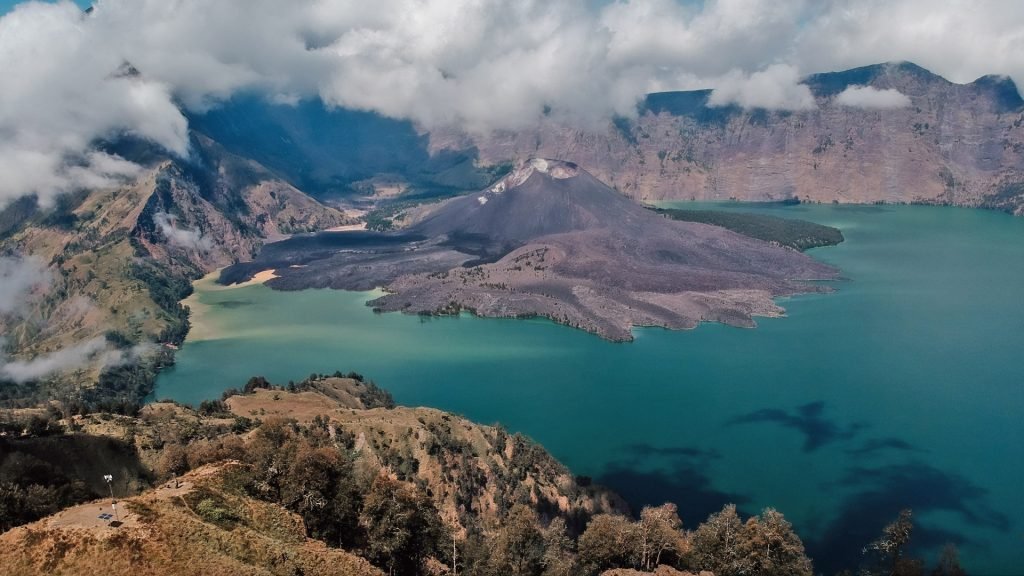
Where Is Mount Rinjani?
Mount Rinjani is located on Lombok Island in West Nusa Tenggara, Indonesia. It sits inside Mount Rinjani National Park, a protected area managed for conservation, tourism, safety, and cultural importance.
The mountain landscape includes tropical rainforest, savanna, crater rims, volcanic sand trails, Segara Anak Lake, hot springs, waterfalls, and the active volcanic cone of Mount Barujari.
For most international travelers, the main arrival point is Lombok International Airport. From there, guests usually continue by private transfer to Senaru, Sembalun, or another starting point depending on the selected trekking program.
Why Planning Is Important Before Trekking Mount Rinjani
Trekking Mount Rinjani requires more preparation than many travelers expect. The trek can include long uphill climbs, steep descents, limited facilities, cold nights, strong wind, volcanic sand, sudden weather changes, and physical fatigue.
Proper planning helps you:
- Choose the right route for your fitness level
- Understand the real difficulty before booking
- Prepare the right clothing and trekking gear
- Avoid booking flights or boats too close after the trek
- Understand permit and national park rules
- Know what is included in your trekking package
- Reduce safety risks during the trek
- Enjoy the experience with realistic expectations
Mount Rinjani rewards well-prepared trekkers with dramatic scenery and a strong sense of achievement. But it should always be approached with respect, preparation, and safety awareness.
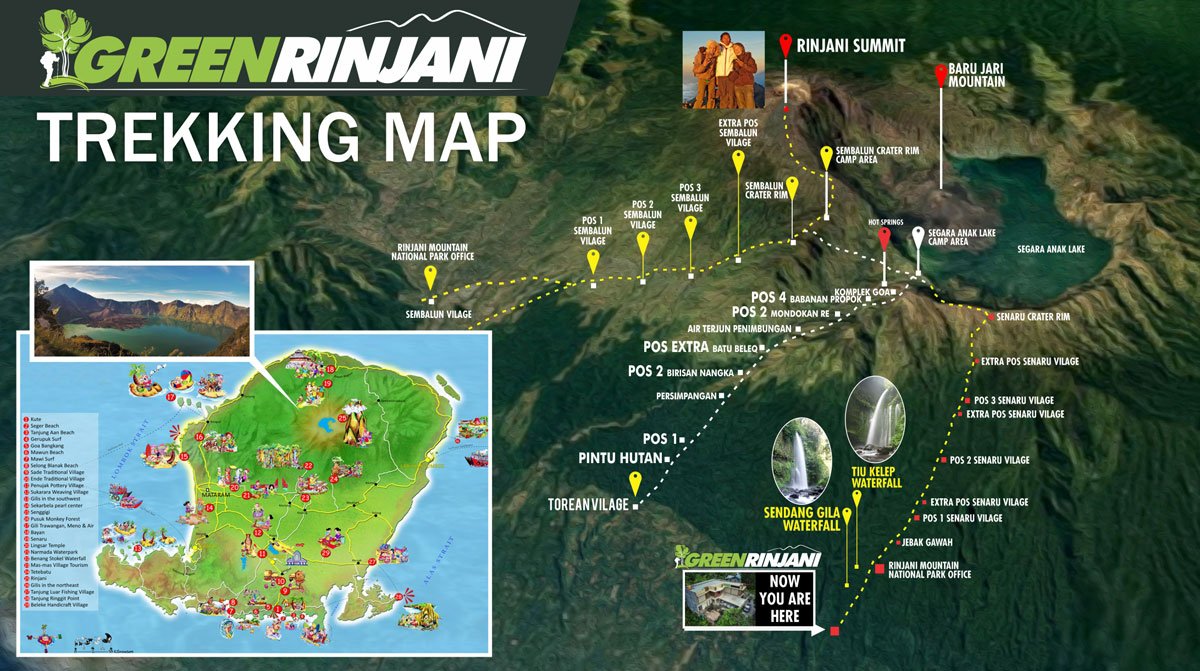
Mount Rinjani Trekking Routes
Mount Rinjani has several official trekking routes with different purposes and difficulty levels. Not every route leads to the summit, crater rim, lake, or hot springs.
The main routes include:
- Sembalun Route – best for summit trekking
- Senaru Route – best for crater rim and forest trekking
- Torean Route – best for scenic valley descent, lake, and hot springs programs
- Tetebatu Route – best for soft trekking, culture, and eco-tourism
- Timbanuh Route – best for forest and conservation-based trekking
- Aik Berik Route – best for waterfalls and short nature walks
Route opening status can change depending on weather, conservation programs, trail condition, and official national park decisions. TNGR announcements have listed Senaru, Torean, Sembalun, Timbanuh, Tetebatu, and Aik Berik in relation to official trekking route closures and management updates.
For a detailed comparison, this page should link to:
Mount Rinjani Routes and Difficulty Guide
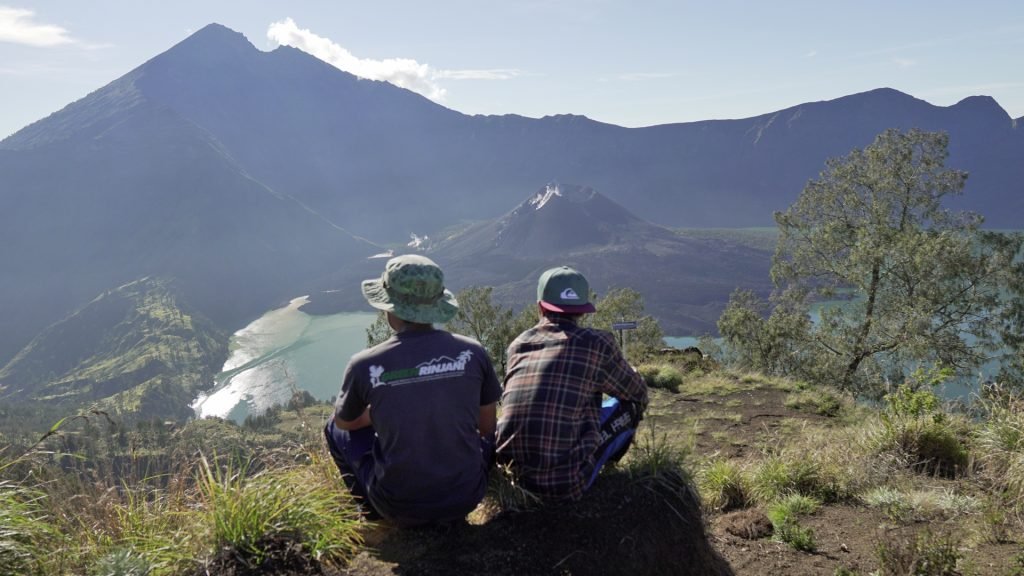
Mount Rinjani Trekking Difficulty
Mount Rinjani trekking difficulty depends on the route, duration, altitude, terrain, weather, and personal fitness.
In general:
- Easy routes include soft trekking areas such as Aik Berik or some Tetebatu programs.
- Moderate routes include Senaru Crater Rim and selected eco-trekking routes.
- Challenging routes include Sembalun summit programs, Torean descent, and multi-day lake and hot springs programs.
Summit programs are the most physically demanding because they include steep volcanic sand, cold early morning conditions, long trekking hours, and high altitude.
Trekkers should prepare for:
- 5–8 hours of walking on normal trekking days
- Longer walking hours on summit day
- Cold nights at crater rim and lake camps
- Uneven trail surfaces
- Long uphill and downhill sections
- Limited mountain facilities
Best Time to Trek Mount Rinjani
The Mount Rinjani trekking season usually runs during the drier months, commonly from April to December, depending on the official opening schedule.
The mountain is commonly closed during the rainy season for safety, trail maintenance, and ecosystem recovery. TNGR announced a closure period from 1 January to 31 March 2026 for hydrometeorological risk mitigation and ecosystem recovery, covering Senaru, Torean, Sembalun, Timbanuh, Tetebatu, and Aik Berik routes.
General season guide:
| Period | General Condition |
|---|---|
| April–June | Early season, greener landscape, possible variable weather |
| July–September | Drier weather, clearer views, busier trekking period |
| October–December | Late season, possible rain, changing trail conditions |
| January–March | Common closure period for safety and ecosystem recovery |
Guests should always confirm the latest official route opening status before booking.
Permits, e-Rinjani, and Visitor Quota
All Mount Rinjani trekking activities require official registration and national park permits. The official system is connected with quota availability and trekking date management.
TNGR provides SOP information related to updated quota presentation, online booking procedures connected with available quota, and online insurance payment procedures.
Important permit points:
- Guests must be registered before trekking.
- Permit availability depends on quota and route status.
- Guest data must be correct.
- Name changes may not be allowed after registration.
- Rescheduling may depend on quota availability and official rules.
- Trekking without proper permit and registration is not recommended.
TNGR’s FAQ states that e-Rinjani is used for booking trekking tickets for Mount Rinjani and that rescheduling can be limited and subject to quota availability.
For a detailed explanation, this page should link to:
How to Book e-Rinjani Ticket
Mount Rinjani Permit & Quota Guide
What to Bring for Mount Rinjani
The right packing list depends on your trekking route, duration, and season. A short crater rim trek requires different preparation from a summit trek or 5D4N expedition.
Essential personal items include:
- Trekking shoes with good grip
- Warm jacket
- Rain jacket or poncho
- Quick-dry trekking clothes
- Thermal layer for cold nights
- Headlamp
- Gloves and warm hat
- Personal medicine
- Small daypack
- Power bank
- Toiletries
- Sunscreen and sunglasses
- Refillable water bottle
Green Rinjani provides camping equipment, meals, drinking water, guides, porters, permits, and trekking support for our trekking programs. Guests only need to prepare personal gear and personal items.
For complete details, this page should link to:
Mount Rinjani Trekking Packing List
Check-In and Check-Out Planning
Check-in and check-out planning is very important for Mount Rinjani trekking because guests need time for arrival, briefing, final preparation, permit verification, balance payment, and rest before the trek.
Most guests should arrive one day before the trek. This allows time for:
- Check-in at Senaru
- Pre-trek briefing
- Equipment preparation
- Route confirmation
- Luggage storage
- Final payment
- Rest before trekking starts the next morning
Finish time depends on the program. A 2D1N Crater Rim Senaru trek may finish around midday to early afternoon, while summit, lake, and Torean programs may finish later depending on weather, trekking speed, and route condition.
Guests should avoid booking flights or fast boats too close after trekking. For programs ending in Torean or Sembalun, staying one more night after the trek is often safer.
For full timing, this page should link to:
Mount Rinjani Check-In & Check-Out Guide
Safety, Guides, and Porters
Mount Rinjani trekking should always prioritize safety. Licensed guides and experienced porters play an important role in route navigation, pacing, weather assessment, camp setup, meals, and emergency response.
Guides help with:
- Route navigation
- Safety decisions
- Trekking pace
- Weather observation
- First aid support
- Guest coordination
Porters help with:
- Carrying camping equipment
- Carrying food and water
- Setting up camp
- Preparing meals
- Carrying rubbish down from the mountain
Guests should listen to guide instructions at all times, especially during bad weather, summit night, steep descents, or emergency situations.
Facilities on the Mountain
Mount Rinjani is a wilderness trekking destination. Facilities are limited, and guests should not expect hotel-style comfort on the mountain.
There are generally:
- No permanent toilets on the mountain
- No electricity at campsites
- No shops on the trail
- No permanent shelters like mountain huts
Green Rinjani provides camping support such as tents, sleeping bags, mattresses, toilet tent, meals, drinking water, and camp setup for trekking programs.
Guests should prepare mentally for basic mountain conditions and limited facilities.
Responsible Trekking and Zero Waste
Mount Rinjani is a protected national park and an important water source for Lombok. Responsible trekking is necessary to protect the mountain for future visitors and local communities.
Guests should:
- Avoid single-use plastic
- Bring reusable water bottles
- Keep all personal rubbish in the bag
- Follow guide instructions for waste management
- Respect wildlife and local culture
- Stay on official trails
- Avoid damaging plants or natural areas
Green Rinjani supports responsible trekking, waste management, and environmentally conscious trekking practices.
For more details, this page should link to:
Rinjani Zero Waste Trekking Guide
Choosing the Right Mount Rinjani Program
The best program depends on your goal, fitness, available time, and preferred route.
Quick recommendation:
| Your Goal | Recommended Program Type |
|---|---|
| Short Rinjani experience | 2D1N Senaru Crater Rim |
| Summit in short time | 2D1N Summit Sembalun |
| Classic summit + lake | 3D2N Sembalun to Senaru |
| Summit + scenic Torean descent | 3D2N or 4D3N Sembalun to Torean |
| More comfortable pace | 4D3N or 5D4N program |
| Beginner soft trekking | Tetebatu or Aik Berik soft trekking |
Guests who are unsure should choose a program based on fitness and route goals, not only price or duration.
Common Planning Mistakes
Avoid these common mistakes before trekking Mount Rinjani:
- Choosing a summit program without enough fitness
- Thinking all routes lead to the summit
- Assuming the Senaru Crater Rim trek includes the lake or hot springs
- Booking a flight too soon after trekking
- Not checking permit and quota availability
- Bringing the wrong shoes or clothing
- Underestimating cold temperature at night
- Ignoring seasonal closure or weather conditions
- Choosing a package without checking what is included
- Carrying too much personal luggage on the trail
Good planning helps prevent disappointment, delays, and safety issues.
Final Planning Checklist
Before booking your Mount Rinjani trek, confirm:
- Your trekking date
- Your preferred route
- Your fitness level
- Number of trekking days
- Summit or non-summit goal
- Lake and hot springs preference
- Arrival and pick-up location
- Drop-off destination after trekking
- Permit and quota availability
- Personal gear and packing list
- Travel insurance
- Payment and deposit requirement
Need Help Planning Your Mount Rinjani Trek?
Green Rinjani can help you choose the right Mount Rinjani trekking program based on your fitness level, available travel dates, route preference, and trekking goal.
Whether you want to reach the summit, enjoy crater rim views, visit Segara Anak Lake and hot springs, or choose a softer trekking experience, our local team can guide you with clear and practical advice.
Contact Green Rinjani before booking if you are unsure which route or program is best for you.
