
Choosing the best time to visit Lombok depends on the activities you want to experience, the weather conditions you prefer, and how flexible your travel schedule is. Lombok can be visited throughout the year, but each season offers a different travel experience.
The dry season, from April to October, is generally the most reliable period for trekking, beaches, snorkeling, island hopping, and other outdoor activities. However, travelers who prefer greener landscapes, stronger waterfalls, and fewer crowds may also enjoy visiting during the transition months.
This guide explains the best travel periods for Mount Rinjani trekking, sea activities, beaches, waterfalls, family holidays, and general sightseeing. It will help you plan your Lombok itinerary based on real seasonal conditions rather than general weather assumptions.
When Is the Best Time to Visit Lombok?
The overall best time to visit Lombok is from April to October, during the island’s main dry season.
These months generally provide:
- More stable weather
- Lower rainfall
- Better visibility
- More reliable sea conditions
- Easier access to outdoor attractions
- Suitable conditions for Mount Rinjani trekking
- Better opportunities for snorkeling and island hopping
June to September normally offers the most consistently dry conditions. However, these months also coincide with the main international holiday period, so popular destinations, accommodations, trekking programs, and boat services may be busier.
April, May, and October are often excellent alternatives. The weather can still be favorable, while visitor numbers may be lower than during the peak summer months.
The right travel month ultimately depends on the experiences you want to prioritize.
Understanding Lombok’s Weather and Climate
Understanding Lombok’s climate is essential when deciding the best time to visit Lombok. The island has a tropical climate with warm temperatures throughout the year, but rainfall, humidity, wind, and sea conditions change significantly between seasons.
Instead of four distinct seasons, Lombok generally experiences two main periods:
- Dry season: approximately April to October
- Rainy season: approximately November to March
These seasonal periods are useful for general planning, but they should not be treated as fixed guarantees. The transition from one season to another can begin earlier or later, and weather conditions may vary between coastal, mountain, and inland areas.
Northern Lombok and the slopes surrounding Mount Rinjani often experience different rainfall patterns from the southern coastal areas around Kuta, Mandalika, and Selong Belanak. Conditions at sea may also be very different from conditions on land.
A clear morning in central Lombok does not always mean that sea crossings, mountain trails, or southern beaches will have the same conditions. For this reason, travelers should check current weather and maritime forecasts shortly before activities involving boats, mountains, rivers, waterfalls, or remote trails.
Choosing the best time to visit Lombok therefore requires more than checking monthly rainfall averages. Travelers should also consider the location, activity, and level of schedule flexibility required for their trip.
Lombok Dry Season: April to October
The dry season is generally considered the best time to visit Lombok for travelers who want a reliable and activity-filled itinerary.
Rainfall is usually lower, humidity is more manageable, and longer periods of clear weather are more common. These conditions make it easier to arrange fixed travel plans without frequently changing routes, departure times, or outdoor activities.
The dry season is particularly suitable for travelers with limited time because trekking, beach visits, road tours, snorkeling, and island trips are generally easier to organize.
Advantages of Visiting During the Dry Season
The dry months are particularly suitable for:
- Mount Rinjani trekking
- Beach holidays
- Snorkeling and diving
- Gili Islands trips
- Lombok island tours
- Waterfall visits
- Village and cultural tours
- Surfing
- Outdoor photography
- Multi-day road trips
For travelers planning several outdoor activities in one itinerary, the dry season is usually the best time to visit Lombok.
Mountain views are often clearer, trekking trails are generally easier to navigate, and most tourism services operate regularly. Road conditions are also usually more reliable for journeys between northern, central, eastern, and southern Lombok.
Sea conditions are often more predictable than during the rainy season. However, wind, waves, tides, and currents can still change at any time. Fast-boat departures, snorkeling trips, and island transfers should always remain subject to local maritime safety decisions.
Limitations of the Dry Season
The dry season is not perfect for every traveler.
July and August are usually among Lombok’s busiest months. Accommodation, Mount Rinjani trekking departures, private transportation, fast boats, and popular tours may need to be reserved earlier.
Prices and availability may also be less flexible during peak travel dates. Travelers who prefer quieter destinations should consider visiting before or after the busiest months.
Some landscapes, particularly in southern and eastern Lombok, may become dry and brown toward the end of the season. Waterfalls may also have lower water volume after an extended period without significant rainfall.
For travelers who want green scenery without the full uncertainty of the rainy season, April, May, or early June may be the best time to visit Lombok. These months often provide a good balance between improving weather, greener landscapes, and moderate visitor numbers.
Lombok Rainy Season: November to March
The rainy season does not mean that rain falls continuously throughout the day. Lombok often experiences a mixture of sunshine, cloud cover, short showers, and heavier afternoon or evening rainfall.
Some days may remain mostly dry, while other periods can bring intense rain, strong winds, or changing local conditions. Weather can vary considerably between the north, south, mountain regions, and surrounding islands.
During this period, mountain areas may experience fog, stronger winds, slippery trails, landslide risks, and intense local rainfall. Sea conditions can also change quickly, affecting fast boats, snorkeling tours, and island transfers.
The rainy season can still be enjoyable, but itineraries should remain flexible. It may be the best time to visit Lombok for travelers who prefer greener scenery, fewer crowds, and land-based experiences rather than fixed mountain or sea activities.
Advantages of Visiting During the Rainy Season
There are several reasons travelers may choose this period:
- Landscapes become greener
- Waterfalls carry more water
- Some destinations are less crowded
- Accommodation may be easier to find
- Countryside scenery becomes more vibrant
- Land-based adventures can remain enjoyable
- Cultural and village experiences remain available
- Some travel costs may be more flexible
Rainfall transforms many parts of the island, particularly rice fields, plantations, forests, and waterfall areas. Travelers interested in photography, local villages, food experiences, countryside tours, and greener scenery may find the rainy season rewarding.
For flexible visitors, the rainy season can be the best time to visit Lombok for waterfalls, rafting, ATV tours, cultural activities, and relaxed road trips.
Limitations of the Rainy Season
Travelers should prepare for:
- Sudden itinerary changes
- Reduced snorkeling visibility
- Delayed or canceled boat departures
- Slippery waterfall trails
- Stronger sea currents
- Higher humidity
- Cloudy mountain views
- Heavy local rainfall
- Temporary road or trail disruption
- Seasonal closure of Mount Rinjani trekking routes
The rainy season is less suitable for travelers with rigid schedules, short stopovers, or itineraries that depend entirely on sea transportation or mountain trekking.
Mount Rinjani trekking routes are generally closed during the main rainy-season period for safety, trail recovery, and environmental protection. Travelers visiting between January and March should plan alternative activities instead of relying on mountain access.
Travel insurance and additional schedule flexibility are strongly recommended, especially when the itinerary includes boat connections, domestic flights, or onward international travel.
When visiting during this period, the best time to visit Lombok is not determined only by the month. Daily weather, sea conditions, local safety advice, and the ability to adjust plans are equally important.
Best Time to Visit Lombok for Mount Rinjani Trekking
The best time to visit Lombok for Mount Rinjani trekking is generally from May to October.
Mount Rinjani National Park normally operates an official trekking season, while the main trekking routes are commonly closed during the peak rainy months for safety and environmental recovery.
The exact opening and closing dates can change depending on weather, trail conditions, volcanic activity, maintenance, and official national park decisions. Travelers should therefore verify the current status before booking flights or accommodation around a trek.
April and May
These months usually mark the beginning of the trekking season.
The landscape is greener after the rainy period, and the trails may be less dusty. However, some rain, cloud, mud, or unstable weather may still occur, particularly in April.
May often provides a good balance between green scenery, improving weather, and moderate visitor numbers.
June to September
This is generally the most reliable period for Mount Rinjani trekking.
Conditions are usually drier, and the chance of clear sunrise and mountain views is higher. July and August are especially popular, so national park tickets and trekking programs can sell out on busy dates.
Night temperatures at the crater rim, lake, and summit area can still be very cold despite warm daytime conditions at lower elevations.
October to December
October can still offer good trekking conditions, although humidity and rainfall may gradually increase.
November and December require more caution. The trekking season may remain open for part of this period, but weather becomes less predictable and official closures can occur according to conditions.
Never assume that Mount Rinjani is accessible simply because you are already in Lombok. Always confirm the current national park status.
Best Time for Lombok Beaches
The dry season is generally the best time to visit Lombok for beaches, especially from May to October.
Popular coastal areas include:
- Kuta Lombok
- Tanjung Aan
- Selong Belanak
- Mawun Beach
- Pink Beach
- Senggigi
- The Gili Islands
During the dry months, beach days are easier to plan and underwater visibility is often better. However, each coastline faces a different direction, so wind, currents, waves, and swimming conditions vary between locations.
Travelers should not assume that calm weather at one beach means all Lombok beaches are safe for swimming on the same day.
Best Time for Snorkeling and the Gili Islands
May to October is usually the most convenient period for snorkeling and visiting the Gili Islands.
Calmer conditions and reduced rainfall can improve visibility, but no month guarantees perfectly flat seas. Wind, waves, tides, and currents must still be checked daily.
Snorkeling and boat tours may continue during parts of the rainy season when conditions are calm. However, travelers should avoid building an inflexible itinerary around a single boat departure.
When combining a Gili Islands transfer with an international flight, keep at least one buffer day whenever possible. Boat delays and cancellations can occur for safety reasons and cannot always be predicted far in advance.
Best Time to Visit Lombok Waterfalls
The ideal time for Lombok waterfalls depends on whether you prioritize easy access or stronger water flow.
Dry Season Waterfall Visits
May to September usually provides:
- Easier walking conditions
- Less slippery paths
- More predictable access
- Lower risk of sudden heavy rainfall
However, smaller waterfalls may have reduced water volume late in the dry season.
Rainy Season Waterfall Visits
December to March can provide greener vegetation and stronger waterfalls. Popular waterfall areas such as Senaru, Benang Kelambu, and Benang Stokel may appear more dramatic after rainfall.
The disadvantage is that trails, rocks, stairs, and river crossings can become slippery or unsafe. Waterfall visits should be postponed during heavy rain or when local guides advise against entering the area.
Best Time for Surfing in Lombok
Lombok offers surfing throughout much of the year, but the best location depends on swell direction, wind, tides, and the surfer’s experience level.
The dry season often brings more consistent conditions to several south-coast surf areas. However, certain breaks may become powerful and unsuitable for beginners.
Beginners should select a beach and surf school according to the daily forecast rather than choosing only by month. Experienced local instructors can determine which break is appropriate for current conditions.
Best Time for Rafting, ATV Tours, and Countryside Adventures
Unlike mountain trekking, some land-based adventure activities remain suitable during the rainy season.
Rafting
Rainfall can increase river flow and make rafting more exciting. However, excessive rainfall may also create unsafe conditions, so operations must depend on professional risk assessment.
ATV and Off-Road Tours
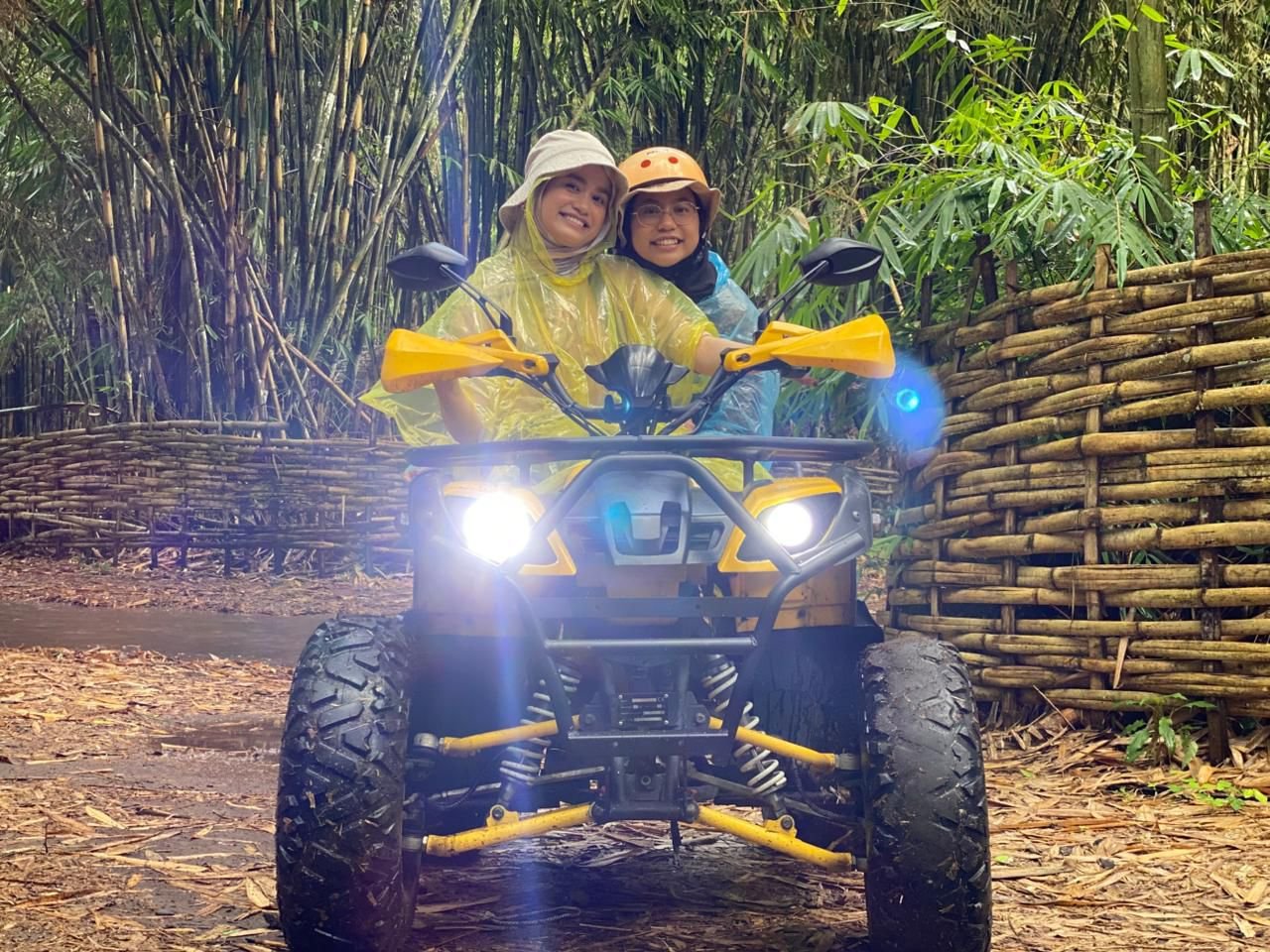
Muddy tracks can enhance ATV and off-road experiences. Light rain is often manageable, but severe weather may cause temporary route changes.
Countryside and Village Tours
Village visits, handicraft experiences, cooking activities, markets, and cultural tours can be arranged throughout the year. These are useful alternatives when weather interrupts beach or boat plans.
Lombok Weather by Month
January
January is one of the wettest and least predictable months. Mount Rinjani trekking is generally unavailable, while sea travel may be affected by wind and waves.
Choose flexible land-based activities, cultural tours, waterfalls when conditions are safe, rafting, or countryside experiences.
February
February remains part of the main rainy season. Heavy showers, humidity, and changing sea conditions are possible.
This month is more suitable for flexible itineraries than tightly scheduled island-hopping plans.
March
March is a transition month. Rainfall may begin to decrease, but conditions remain variable.
Mount Rinjani routes are generally still closed, and travelers should confirm reopening information directly with official or licensed sources.
April
April often marks the transition toward the dry season and may coincide with the reopening of Mount Rinjani.
The island is still green, visitor numbers are moderate, and outdoor conditions begin to improve. Some rain may remain.
May
May is one of the most balanced months to visit. Weather is usually improving, vegetation remains green, and the peak holiday crowds have not fully arrived.
It is a strong choice for trekking, beaches, road tours, and snorkeling.
June
June generally provides dry and stable weather with good conditions for most activities.
It is one of the best months for travelers who want to combine Mount Rinjani, beaches, waterfalls, and the Gili Islands.
July
July is a peak travel month with favorable weather and high demand.
Book accommodation, trekking programs, transportation, and popular tours in advance.
August
August is typically dry, busy, and well suited to outdoor activities.
Popular areas can be crowded, and Mount Rinjani trekking permits may be limited on high-demand dates.
September
September remains one of the best months for Lombok. Conditions are generally dry, while crowds may begin to decrease later in the month.
The landscape may appear drier after several months of limited rainfall.
October
October is a useful shoulder-season option.
Many activities remain available, but humidity and occasional rain may gradually increase. Travelers should maintain some flexibility.
November
November is a transitional month with mixed conditions. Some days may remain sunny, while others bring heavier rainfall.
Sea trips and outdoor itineraries should be confirmed according to current forecasts.
December
Early December may still provide workable conditions, but rainfall often increases toward the end of the month.
Holiday demand can also be high, so accommodation may be busy even when weather conditions are uncertain.
Best Months Based on Your Travel Style
For the Most Reliable Weather
Choose June to September.
These months generally provide the most stable conditions for trekking, beaches, snorkeling, and road travel.
For Green Scenery and Fewer Crowds
Choose April, May, or early June.
The landscape is often greener, while visitor numbers may be lower than during July and August.
For Lower Crowds and Flexible Travel
Consider November to March, but focus on land-based experiences and allow room for schedule changes.
For Mount Rinjani Trekking
Choose May to October, subject to official national park access and current trail conditions.
For Beaches and Island Hopping
Choose May to October, while continuing to check daily maritime conditions.
For Waterfalls
Choose April to June for a good balance between strong water flow, green vegetation, and improving trail conditions.
Important Seasonal Planning Tips
Regardless of when you travel, use the following precautions:
- Check current Lombok weather forecasts before outdoor activities.
- Check maritime forecasts before fast-boat or snorkeling trips.
- Confirm the official Mount Rinjani opening status before booking a trek.
- Avoid same-day flight connections after sea transfers.
- Keep buffer time in itineraries during the rainy season.
- Follow local safety advice around waterfalls, rivers, mountains, and beaches.
- Reserve popular trekking dates early during July and August.
- Prepare for regional weather differences across the island.
Final Recommendation
For the widest choice of activities and the most reliable conditions, the best time to visit Lombok is between April and October.
Choose May, June, or September for a strong combination of favorable weather, outdoor access, and moderate visitor numbers. Choose July or August when weather reliability is the main priority and busier destinations are not a concern.
Travel between November and March can still be rewarding, but your itinerary should prioritize flexible land-based activities and include alternative plans for changing weather.
Lombok offers different experiences throughout the year. The best travel period is therefore not determined by weather alone, but by whether seasonal conditions match the activities you want to experience.
