
Closure Period, Weather Risks, Trail Safety & Lombok Alternatives
Rinjani rainy season trekking is an important topic for travelers who plan to visit Lombok between January and March. Mount Rinjani is one of Indonesia’s most famous volcano trekking destinations, but it is not open for trekking all year.
During the rainy season, Mount Rinjani National Park usually closes trekking routes to protect visitor safety, prevent accidents, and allow the mountain environment to recover. For 2026, Mount Rinjani National Park announced a closure period from 1 January to 31 March 2026, covering trekking routes including Senaru, Torean, Sembalun, Timbanuh, Tetebatu, and Aik Berik.
This guide explains why trekking Mount Rinjani during the rainy season is not recommended, what risks may occur, which routes are affected, and what alternative activities you can enjoy in Lombok while the mountain is closed.
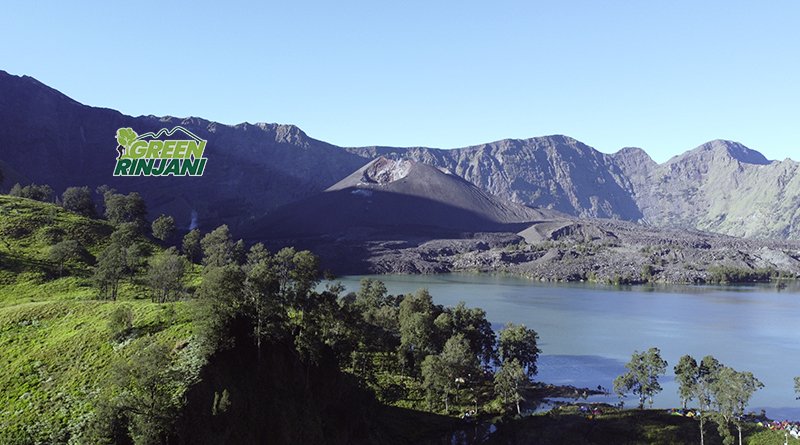
Is Mount Rinjani Open During the Rainy Season?
In general, Mount Rinjani is not open for trekking during the main rainy season, especially from January to March. This period is commonly used for safety protection, trail recovery, and ecosystem restoration.
For 2026, the official closure period is:
| Period | Status |
|---|---|
| 1 January – 31 March 2026 | Closed for trekking |
| April – December | Normal trekking season, depending on official route status |
During the closure period, trekking activities are not allowed on official Mount Rinjani hiking routes. Visitors should not attempt to enter closed trekking routes because this can create serious safety risks and may violate national park regulations.
The official announcement also includes important dates for the last e-Rinjani booking, last check-in, and last check-out before the closure period.
Why Mount Rinjani Closes During the Rainy Season
Mount Rinjani closes during the rainy season for several important reasons. The closure is not only about weather; it is also about safety, rescue difficulty, trail protection, and environmental recovery.
The main reasons include:
- Heavy rainfall
- Slippery and unstable trails
- Landslide risk
- Thick fog and poor visibility
- Strong wind and cold exposure
- River flooding
- Difficult emergency evacuation
- Trail and campsite damage
- Ecosystem recovery after the trekking season
Mount Rinjani National Park explains that rainy season closure helps protect visitors and gives nature time to rest and recover during periods of extreme weather risk.
Rainy Season Weather Conditions on Mount Rinjani
Rainy season weather on Mount Rinjani can be unpredictable. Conditions may change quickly, especially at higher elevations such as crater rim, lake area, summit route, and open ridges.
During the rainy season, trekkers may face:
- Continuous rain
- Wet and muddy trails
- Cold wind
- Low visibility
- Thick fog
- Unstable terrain
- Higher river water levels
- Slippery rocks and roots
- Difficult camping conditions
Even strong trekkers can face serious problems when weather conditions become extreme. The challenge is not only physical; it is also about safety, navigation, and rescue access.
Main Risks of Trekking Rinjani During Rainy Season
Slippery Trails
Rain makes forest trails, rocks, roots, and volcanic paths slippery. This increases the risk of falling, ankle injuries, knee injuries, and slow movement.
Landslide Risk
Heavy rain can weaken slopes and trail sections. Some routes pass steep terrain, valleys, or narrow paths where landslide risk can become dangerous during or after rain.
River and Water Flow Risk
Some routes, especially valley and waterfall areas, can become more dangerous when water levels rise. River crossings and drainage channels may become difficult or unsafe.
Poor Visibility
Fog, rain, and clouds can reduce visibility. This makes navigation harder and increases the risk of accidents, especially on exposed or narrow trail sections.
Cold and Hypothermia Risk
Rain combined with wind and low temperature can make trekkers cold very quickly. Wet clothing, strong wind, and fatigue can increase the risk of hypothermia.
Difficult Evacuation
Emergency evacuation is more difficult during heavy rain. Trails become slower, rescue access becomes more limited, and communication can be harder in remote mountain areas.
Which Rinjani Routes Are Affected?
During the official rainy season closure, all main trekking routes can be affected.
For the 2026 closure, the official announcement includes these routes:
- Senaru Route
- Torean Route
- Sembalun Route
- Timbanuh Route
- Tetebatu Route
- Aik Berik Route
These routes are closed because rainy season risks can affect both high-altitude trekking routes and lower eco-trekking routes. The closure helps protect visitors, guides, porters, local teams, and the natural environment.
Can You Trek Any Part of Rinjani During Rainy Season?
During the official closure period, guests should not trek on closed Mount Rinjani National Park routes. This includes summit routes, crater rim routes, lake routes, and official eco-trekking routes when they are included in the closure announcement.
However, travelers can still enjoy other activities in Lombok outside the closed trekking area, depending on weather and local conditions.
Possible alternatives include:
- Pergasingan Hill
- Local waterfalls outside closed areas
- Senaru village walks
- Sembalun viewpoints
- Lombok cultural tours
- Private transport and sightseeing
- Beach and island trips if weather allows
Always check weather conditions before choosing outdoor activities during the rainy season.
What to Do If Your Trekking Date Falls During Closure
If your travel date falls between January and March, you should not plan a Mount Rinjani trek. Instead, you can adjust your plan in one of these ways:
- Reschedule your Mount Rinjani trek to April or later
- Choose a Lombok alternative activity
- Visit waterfalls and villages
- Book a private Lombok tour
- Plan a soft adventure outside the closed trekking routes
- Stay flexible with your itinerary because rainy season weather can change
If you already planned to climb Mount Rinjani during the closure period, contact your trekking operator as early as possible to discuss rescheduling options.
Best Alternatives During Rinjani Closed Season
Even when Mount Rinjani is closed, Lombok still offers many beautiful travel experiences. The rainy season can bring greener landscapes, stronger waterfalls, and quieter travel conditions.
Pergasingan Hill Trek
Pergasingan Hill is located near Sembalun and offers beautiful views over Sembalun Valley and Mount Rinjani. It can be done as a day trek or overnight camping trip, depending on local weather conditions.
This is a good alternative for travelers who still want mountain scenery without entering the official Mount Rinjani trekking routes.
Best for:
- Sunrise views
- Soft trekking
- Photography
- Sembalun landscape
- Short adventure during Rinjani closure
Important note: Pergasingan Hill conditions still depend on rain and local safety assessment.
Waterfall Exploration in North Lombok
Rainy season can be a good time to visit waterfalls because water flow is usually stronger.
Popular waterfall options include:
- Sendang Gile Waterfall
- Tiu Kelep Waterfall
- Tiu Teja Waterfall
- Benang Stokel Waterfall
- Benang Kelambu Waterfall
Waterfall visits should still be done carefully during rainy weather. Trails can be slippery, and guests should avoid visiting waterfalls during heavy rain or flooding conditions.
Senaru Village and Local Nature Walks
Senaru is one of the main gateway villages to Mount Rinjani. During the closed season, visitors can still enjoy local village atmosphere, rice fields, viewpoints, waterfalls, and cultural experiences depending on weather conditions.
Senaru is suitable for:
- Relaxing village stay
- Waterfall visit
- Local food experience
- Photography
- Short walks around the village
- Learning about Mount Rinjani culture and trekking life
Sembalun Valley and Viewpoints
Sembalun is known for mountain views, farming landscapes, cool air, and scenic viewpoints. During the rainy season, the valley can look very green and fresh.
Possible activities include:
- Viewpoint visits
- Short village walks
- Local farm scenery
- Photography
- Pergasingan Hill if conditions are safe
- Coffee or local food stops
Rainy season weather may affect visibility, so guests should keep their schedule flexible.
Lombok Day Tours
If Mount Rinjani is closed, guests can explore other parts of Lombok.
Recommended options include:
- North Lombok waterfall tour
- Sembalun village tour
- Central Lombok cultural tour
- Kuta Lombok beach area
- Tetebatu village and rice field tour
- Gili Islands transfer or island stay if sea conditions are safe
Lombok has many travel options outside Mount Rinjani, so the closed season can still be used for a meaningful trip.
Private Transport During Rainy Season
Rainy season travel requires careful timing and safe transport. Green Rinjani provides private transport services across Lombok, including:
- Lombok Airport
- Senggigi
- Mataram
- Kuta Lombok
- Bangsal Harbor
- Teluk Nare
- Senaru
- Sembalun
- Tetebatu
- Kayangan Port
Private transport is useful during rainy season because weather can affect travel timing, road conditions, and ferry or boat schedules.
Booking Advice for April Reopening
If you want to trek Mount Rinjani after the rainy season, April can be a good month to start planning. However, early season conditions may still include wet trails, soft ground, and variable weather.
Before booking an April trek, check:
- Official reopening announcement
- Route status
- Permit availability
- Weather forecast
- Physical preparation
- Trekking shoes and rain gear
- Pick-up and check-in timing
- Group size and service type
April can offer green scenery and fewer crowds, but guests should prepare properly and stay flexible.
Best Months After Rainy Season
After the rainy season, the best trekking months are usually:
| Month | General Condition | Recommendation |
|---|---|---|
| April | Fresh landscape, possible wet trails | Good for green scenery |
| May | More stable weather | Very good |
| June | Clearer skies and fewer crowds | Excellent |
| July – August | Peak dry season | Great, book early |
| September – October | Stable weather and fewer crowds | Best balance |
For summit trekking, July to September is usually the strongest period. For greener scenery and fewer crowds, April to June can be a good choice.
What to Prepare for Early Season Trekking
If you trek shortly after the rainy season, preparation is important.
Recommended items:
- Trekking shoes with strong grip
- Rain jacket or poncho
- Waterproof bag cover
- Dry bag for phone and documents
- Extra socks
- Quick-dry clothing
- Warm jacket
- Headlamp
- Trekking poles
- Personal medicine
Early season trails may still be damp or slippery, so proper footwear and rain protection are essential.
Why You Should Not Trek Illegally During Closure
Trekking during official closure is unsafe and can create serious consequences. Closed trails are not prepared for visitors, rescue access may be difficult, and national park monitoring may still operate.
Guests should respect the closure because it protects:
- Visitor safety
- Guides and porters
- Rescue teams
- Trail conditions
- Wildlife
- Forest recovery
- Local community responsibility
Illegal trekking can also damage the reputation of responsible tourism and place local people at risk.
There have been cases where tourists received sanctions for hiking closed Rinjani trails, showing that official closure rules are taken seriously.
Important Safety Advice
During the rainy season, safety should always come before itinerary plans. Even if the weather looks clear in the morning, conditions can change quickly in mountain areas.
Important safety advice:
- Do not enter closed trekking routes
- Follow official national park announcements
- Avoid waterfall trails during heavy rain
- Use local guides for outdoor activities
- Wear proper footwear
- Keep your itinerary flexible
- Avoid risky river areas during rain
- Choose shorter activities when weather is unstable
- Travel with reliable transport
Mount Rinjani will still be there when the season reopens. Waiting for the right season is always safer than forcing the trek during dangerous conditions.
Quick Summary
| Topic | Summary |
|---|---|
| Main rainy season period | January – March |
| 2026 closure period | 1 January – 31 March 2026 |
| Routes affected | Senaru, Torean, Sembalun, Timbanuh, Tetebatu, Aik Berik |
| Trekking during closure | Not allowed |
| Main risks | Heavy rain, landslides, slippery trails, fog, difficult evacuation |
| Best time after closure | May – October |
| Early season option | April, if officially open |
| Best alternatives | Pergasingan Hill, waterfalls, village tours, Lombok day tours |
| Main advice | Follow official route status and avoid closed trails |
Need Help Planning Your Trip During Rainy Season?
If you are visiting Lombok between January and March, Green Rinjani can help you plan safe alternative activities while Mount Rinjani is closed.
We can assist with:
- Lombok private transport
- Waterfall trips
- Pergasingan Hill trip, if weather allows
- Senaru and Sembalun village visits
- Lombok day tours
- Rescheduling Mount Rinjani trekking after reopening
Contact Green Rinjani before your arrival so our team can help you choose the safest and most suitable option based on your travel date and weather conditions.
Can I trek Mount Rinjani during the rainy season?
No. Mount Rinjani is usually closed during the main rainy season, especially from January to March. For 2026, the official closure period is from 1 January to 31 March 2026.
Why is Mount Rinjani closed from January to March?
Mount Rinjani closes during this period because heavy rain can create dangerous trail conditions, landslide risk, poor visibility, slippery paths, river flooding, and difficult evacuation. The closure also supports trail recovery and ecosystem protection.
Which Rinjani routes are closed during the rainy season?
For the 2026 closure, the affected routes include Senaru, Torean, Sembalun, Timbanuh, Tetebatu, and Aik Berik.
Can I climb only part of Mount Rinjani during closure?
No. Guests should not enter official Mount Rinjani trekking routes during the closure period. It is important to follow national park regulations for safety and legal reasons.
What can I do in Lombok when Mount Rinjani is closed?
Guests can enjoy alternative activities such as Pergasingan Hill, waterfalls, Senaru village, Sembalun viewpoints, Lombok day tours, private transport, and cultural experiences depending on weather conditions.
Is Pergasingan Hill open during Rinjani closure?
Pergasingan Hill is outside the main Mount Rinjani summit route and may be possible depending on local weather and safety conditions. Guests should always check conditions before booking.
Is April a good time to trek Mount Rinjani?
April can be a good time after the official reopening, especially for green scenery and fewer crowds. However, some trails may still be wet, so proper shoes and rain protection are important.
What is the best month after rainy season to climb Rinjani?
May to October is generally the best period after the rainy season. July to September is usually strongest for summit trekking, while May, June, September, and October can offer a better balance between weather and crowds.
Can I reschedule my trek if it falls during closure?
Yes. If your planned date falls during the official closure period, you should reschedule to the open trekking season. Green Rinjani can help you choose a suitable date after the mountain reopens.
Is it dangerous to trek illegally during closure?
Yes. Trekking illegally during closure is dangerous because trails are not prepared for visitors, weather risks are higher, and emergency evacuation can be difficult. It may also violate national park regulations.
