
Torean Trekking Route on Mount Rinjani
The Torean trekking route is one of the most scenic, dramatic, and adventurous routes on Mount Rinjani. Starting or ending from Torean Village in North Lombok, this route is known for deep valleys, river crossings, waterfalls, rocky trails, narrow paths, and direct access toward Segara Anak Lake and the natural hot springs.
Unlike the Sembalun route, which is famous for summit trekking and open savanna, or the Senaru route, which is known for rainforest and crater rim views, the Torean trekking route offers a wilder valley experience. It feels more remote, more technical, and more immersive.
Many trekkers choose the Torean trekking route as an exit route after reaching the summit via Sembalun and visiting Segara Anak Lake. Others choose it for non-summit lake and hot springs programs. This guide explains what the Torean route is like, how difficult it is, which programs use this route, and what trekkers should prepare before choosing a Torean-based itinerary.
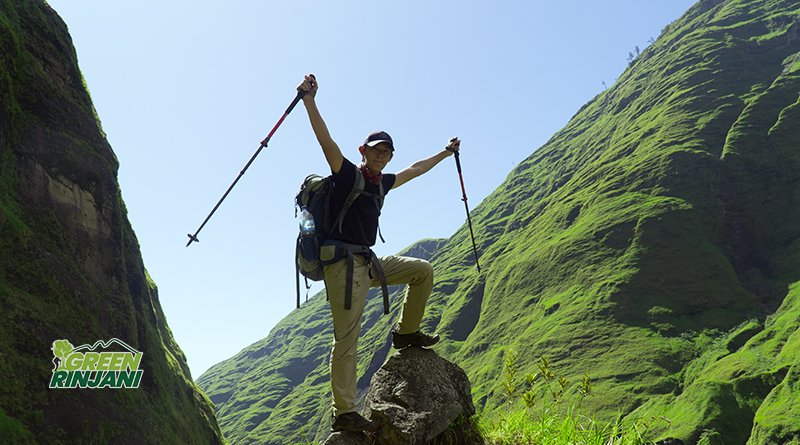
Torean Trekking Route Overview
| Route Detail | Information |
|---|---|
| Starting / Exit Point | Torean Village, North Lombok |
| Starting Elevation | Around 585 meters above sea level |
| Main Destination | Segara Anak Lake, hot springs, Torean valley |
| Common Use | Scenic exit route, lake route, non-summit and summit combination |
| Main Terrain | Valley trail, river sections, waterfalls, rocky paths, narrow tracks |
| Difficulty Level | Challenging and technical in some sections |
| Best For | Scenic adventure, lake and hot springs, experienced trekkers, photographers |
| Common Duration | 3D2N, 4D3N, or 5D4N depending on program |
| Main Highlight | Dramatic valley scenery, rivers, waterfalls, and lake connection |
The Torean trekking route is beautiful, but it should not be misunderstood as an easy shortcut. It may involve less altitude gain compared with some crater rim climbs, but the terrain can be more technical and requires careful footing.
What Makes the Torean Trekking Route Different?
The Torean trekking route is different because it follows a valley-based landscape rather than an open summit ridge or dense forest trail. Trekkers pass through river valleys, cliffs, rocky paths, waterfalls, hot springs access, and dramatic natural scenery that feels very different from other Rinjani routes.
The main character of the Torean route includes:
- Deep valley scenery
- River and waterfall views
- Rocky and uneven trail sections
- Narrow paths in several areas
- Slippery terrain after rain
- Scenic connection to Segara Anak Lake
- More technical walking than many guests expect
Torean is ideal for trekkers who want a more adventurous route and are comfortable walking on uneven ground.
What the Torean Trekking Route Feels Like
The Torean trekking route feels raw, scenic, and adventurous. Instead of climbing through open savanna or dense rainforest for most of the trail, trekkers move through a dramatic valley landscape shaped by rivers, cliffs, and volcanic terrain.
When used as an exit route from Segara Anak Lake, the trail gradually leaves the lake area and follows the valley toward Torean Village. The views are impressive, but the route requires concentration. Some parts can be rocky, narrow, or slippery, especially during or after rain.
Trekkers should expect long walking hours, uneven footing, and changing trail conditions. The route is not usually difficult because of altitude, but because of terrain type. This is why the Torean route is often described as scenic but technical.
The official Mount Rinjani National Park website also highlights Penimbungan Waterfall as one of the scenic features on the Torean trekking route.
Torean Trekking Route Timeline
The exact timing depends on whether the Torean route is used as an entry route or exit route, the selected itinerary, group fitness, weather, and trail condition.
For most Green Rinjani programs, Torean is commonly used as an exit route after Segara Anak Lake and hot springs.
| Section | General Description |
|---|---|
| Segara Anak Lake / Hot Springs Area | Rest, lake camping, hot springs, and preparation before exit |
| Lake Area to Valley Trail | Gradual transition from lake area into valley terrain |
| Rocky and River Sections | More technical walking with uneven paths and river scenery |
| Waterfall and Valley Area | Scenic views, photo stops, and careful descent |
| Final Trail to Torean Village | Long exit section toward Torean settlement |
| Torean Village | Pick-up point and transfer after trekking |
Actual walking time can vary widely depending on trail condition, weather, group pace, and rest stops. During wet conditions, the route can take longer and requires extra caution.
Torean Trekking Route Trail Sections
The Torean trekking route has several important trail sections. Each part has a different character and requires different attention.
Segara Anak Lake Connection on the Torean Trekking Route
Many Torean programs connect with Segara Anak Lake. This lake sits inside the Mount Rinjani caldera and is one of the most important highlights of longer Rinjani trekking programs.
From the lake area, trekkers can enjoy:
- Lake views
- Mount Barujari scenery
- Hot springs nearby
- Camping atmosphere
- Rest before continuing the route
For many trekkers, the Torean exit after the lake feels more scenic and natural than climbing back up to the crater rim. However, it still requires good fitness and balance.
Hot Springs Area on the Torean Trekking Route
The natural hot springs near Segara Anak Lake are one of the main reasons guests choose programs connected with Torean.
The hot springs can be a relaxing stop after long trekking days, especially after summit programs. However, guests should follow guide instructions and avoid risky areas, slippery rocks, or strong water flow.
The hot springs experience depends on itinerary timing, weather, and route condition.
Valley Trail on the Torean Trekking Route
The valley section is the signature character of the Torean trekking route. This area offers dramatic views, steep cliffs, green slopes, and a more remote feeling compared with the main crater rim routes.
What to expect:
- Long valley walking
- Uneven ground
- Scenic cliffs and slopes
- Less exposed summit-style terrain
- More natural and remote atmosphere
This section is beautiful but requires steady pacing.
River Sections on the Torean Trekking Route
The Torean route can include river areas or water flow sections depending on conditions. These parts may change after rain.
What to expect:
- Wet stones
- Slippery surfaces
- Careful footing
- Possible water crossings or river-side walking
- Slower movement during wet conditions
Good trekking shoes with strong grip are very important.
Waterfalls on the Torean Trekking Route
Waterfalls are one of the main scenic highlights of the Torean route. Penimbungan Waterfall is especially known as part of the Torean route landscape, with the official national park website describing it as a waterfall located along the Torean trekking route.
What to expect:
- Waterfall views
- Photo opportunities
- Cooler valley atmosphere
- Slippery areas near water
- Need for extra caution after rain
Waterfall scenery makes Torean one of the most photogenic routes on Mount Rinjani.
Final Descent to Torean Village
The final part of the route leads toward Torean Village. By this stage, trekkers are often tired from previous trekking days, so careful walking is important.
What to expect:
- Long final walking section
- Lower elevation
- Warmer temperature
- Village approach
- Pick-up after trekking
The final descent can still feel long, especially after summit or multi-day programs. Guests should save energy and avoid rushing.
Torean Trekking Route Difficulty
The Torean trekking route is considered challenging. It is not always challenging because of altitude, but because of terrain.
This route requires:
- Good balance
- Careful footing
- Strong knees
- Stamina for long walking hours
- Confidence on uneven ground
- Ability to follow guide instructions
Torean can feel easier than summit climbing in terms of elevation gain, but harder in terms of trail technicality.
Why the Torean Trekking Route Feels Challenging
The route can feel challenging because of:
- Rocky and uneven paths
- Narrow trail sections
- Slippery terrain after rain
- Long walking distance
- River and waterfall areas
- Technical descent
- Fatigue after previous trekking days
- Limited access in remote valley areas
Guests should not choose Torean only because it looks beautiful in photos. It is beautiful, but it requires preparation.
Who Can Do the Torean Trekking Route?
The Torean trekking route is suitable for:
- Fit trekkers
- Experienced hikers
- Nature lovers
- Photographers
- Guests who want lake and hot springs
- Trekkers who enjoy adventurous terrain
- Travelers comfortable with rocky and uneven trails
- Guests trekking with experienced local guides
It can be suitable for strong first-time trekkers if they have good fitness and realistic expectations.
Who Should Avoid the Torean Trekking Route?
You may need to reconsider the Torean trekking route if:
- You have serious knee problems
- You have poor balance
- You dislike rocky or slippery paths
- You are not comfortable near river sections
- You expect an easy downhill walk
- You are trekking during heavy rain
- You are not prepared for long walking hours
- You cannot follow guide instructions carefully
Guests who want a more classic crater rim or forest trek may prefer Senaru. Guests whose main goal is the summit should usually start from Sembalun and use Torean only as a route connection.
Torean Trekking Route Highlights
The Torean trekking route is famous for scenery that feels different from other Mount Rinjani routes.
Segara Anak Lake and Hot Springs
Torean is often connected with Segara Anak Lake and the hot springs area. This makes it one of the best routes for guests who want to experience the lake without focusing only on the summit.
Highlights include:
- Lake camping
- Hot springs
- Mount Barujari views
- Rest time after summit or crater rim trekking
- Caldera atmosphere
Waterfalls and River Valleys
The valley, river, and waterfall scenery is one of the main reasons trekkers choose Torean. The route feels more adventurous and visually dramatic than standard forest descent.
Highlights include:
- Waterfalls
- River sections
- Valley scenery
- Cliffs and natural rock formations
- Cooler and greener atmosphere
Scenic Exit After Summit
For summit programs starting from Sembalun, Torean is often used as a scenic exit route after visiting Segara Anak Lake and hot springs.
This creates a complete route combination:
- Sembalun savanna
- Summit sunrise
- Lake and hot springs
- Torean valley and waterfalls
This is one of the most complete Mount Rinjani trekking experiences.
Torean Trekking Route Programs
The Torean trekking route can be used in several trekking programs. Some are non-summit lake programs, while others are summit programs that exit via Torean.
3D2N Torean Trekking Route – Senaru to Torean
This non-summit program usually starts from Senaru, reaches Senaru Crater Rim, descends to Segara Anak Lake and hot springs, then exits via Torean.
Best for:
- Guests who want lake and hot springs without summit
- Trekkers who enjoy rainforest, lake, and valley scenery
- Travelers who want a complete non-summit Rinjani experience
- Guests with good fitness but no summit goal
This program is more demanding than a 2D1N crater rim trek because it includes lake descent and Torean exit.
3D2N Torean Trekking Route – Torean to Senaru
This route starts from Torean, visits Segara Anak Lake and hot springs, then continues toward Senaru. It offers a different trekking flow compared with Senaru to Torean.
Best for:
- Guests who want lake and hot springs
- Trekkers who want to enter through the scenic valley
- Travelers who prefer a non-summit route
- Guests comfortable with long trekking days
This route still requires good fitness and careful pacing.
3D2N Sembalun to Torean – Summit, Lake and Valley
This program starts from Sembalun, reaches the summit, descends to Segara Anak Lake and hot springs, then exits through Torean.
Best for:
- Fit trekkers who want summit and Torean scenery
- Guests who want a complete 3-day adventure
- Travelers who enjoy challenging routes
- Trekkers comfortable with summit push and valley descent
This is a demanding program because it includes summit, lake, and Torean exit in a compact itinerary.
4D3N Sembalun to Torean – Better Pace and Complete Route
This program offers a more comfortable pace than the 3D2N version. It includes summit, lake, hot springs, and Torean valley with more time for rest.
Best for:
- Guests who want a complete Rinjani experience
- Trekkers who prefer better pacing
- Travelers who want summit and scenic descent
- Fit hikers who want more rest time
The extra day makes the route more enjoyable and less rushed.
5D4N Sembalun to Torean Expedition
The 5D4N Sembalun to Torean expedition is one of the most complete Mount Rinjani trekking experiences.
Best for:
- Guests who want the full Rinjani experience
- Trekkers who prefer a slower and deeper itinerary
- Travelers who want more time at lake and hot springs
- Photographers and nature-focused trekkers
- Guests who want summit, lake, and Torean scenery without rushing
This program is ideal for guests who want the best balance between adventure, scenery, and recovery time.
Torean Trekking Route Connections
One of the strengths of the Torean trekking route is its connection with Senaru, Sembalun, Segara Anak Lake, and the hot springs area.
Torean Trekking Route from Senaru to Lake and Torean
This route starts from Senaru, climbs through the rainforest to the crater rim, descends to Segara Anak Lake and hot springs, then exits via Torean.
Best for:
- Non-summit lake trek
- Rainforest and valley combination
- Guests who want lake and hot springs
- Trekkers who do not want summit pressure
Torean Trekking Route from Sembalun to Summit, Lake and Torean
This route starts from Sembalun, reaches the summit, descends to the lake, visits hot springs, and exits through Torean.
Best for:
- Summit achievement
- Complete Rinjani experience
- Lake and hot springs
- Dramatic Torean valley exit
Torean Trekking Route from Torean to Lake and Senaru
This route starts from Torean, enters through the valley route, reaches Segara Anak Lake and hot springs, then continues toward Senaru.
Best for:
- Lake-focused trekking
- Scenic valley entry
- Non-summit route
- Guests who want a different route flow
Torean Trekking Route vs Senaru Route
| Comparison | Torean Trekking Route | Senaru Route |
|---|---|---|
| Main Character | Valley, rivers, waterfalls | Rainforest and crater rim |
| Common Use | Lake route, hot springs, scenic exit | Crater rim trek, forest start, lake connection |
| Terrain | Rocky, narrow, uneven, river sections | Forest roots, stone steps, shaded trail |
| Difficulty | Challenging and more technical | Moderate to challenging |
| Best For | Adventurous scenery and lake routes | Forest trekking and crater rim views |
| Main Challenge | Technical terrain and long valley walk | Long uphill and downhill forest trail |
Choose Torean if you want adventure, valley scenery, and lake connection. Choose Senaru if you want rainforest trekking and crater rim views.
Torean Trekking Route vs Sembalun Route
| Comparison | Torean Trekking Route | Sembalun Route |
|---|---|---|
| Main Character | Valley and waterfall route | Open savanna and summit route |
| Common Use | Exit route or lake route | Main summit starting route |
| Terrain | Rocky, narrow, river valleys | Savanna, hills, volcanic sand |
| Difficulty | Challenging and technical | Challenging and summit-focused |
| Main Highlight | Waterfalls, river valleys, lake access | Summit sunrise |
| Best For | Scenic descent and lake programs | Summit trekking |
Sembalun is the main route for summit trekking. Torean is usually used for lake, hot springs, and scenic descent or exit.
Best Time for the Torean Trekking Route
The best time to trek the Torean trekking route is during the official Mount Rinjani trekking season, especially when the weather is stable and trail conditions are dry.
Best months:
- May
- June
- July
- August
- September
- October
During November and December, the route may become more difficult because of humid weather and light rain. Torean should be approached carefully in late season because rocky and river sections can become slippery.
Mount Rinjani is commonly closed from January to March during the rainy season for safety and ecosystem recovery. The 2026 official closure announcement includes the Torean route among the routes closed from 1 January to 31 March 2026.
Guests should always confirm the latest route status before booking.
What to Bring for the Torean Trekking Route
The Torean trekking route requires proper footwear, rain protection, and careful personal packing because the trail can be rocky, slippery, and wet in several sections.
Recommended items:
- Trekking shoes with strong grip
- Rain jacket or poncho
- Quick-dry trekking clothes
- Trekking poles if needed
- Extra socks
- Warm jacket for lake or crater rim camp
- Headlamp
- Personal medicine
- Small daypack
- Waterproof bag cover
- Dry bag for phone and documents
- Power bank
- Refillable water bottle
- Light sandals for campsite
- Swimwear for hot springs
For overnight programs, Green Rinjani provides camping equipment, meals, drinking water, guide, porters, permit assistance, and trekking support.
Common Mistakes on the Torean Trekking Route
Avoid these common mistakes before choosing the Torean trekking route:
- Thinking Torean is easy because it goes downhill
- Choosing Torean during heavy rain
- Wearing shoes with poor grip
- Underestimating rocky and narrow sections
- Forgetting rain protection
- Rushing on slippery terrain
- Not preparing for long walking hours
- Choosing the route only because of photos
- Not checking route status before booking
- Ignoring guide instructions near river or waterfall areas
Torean is beautiful, but it requires careful preparation and realistic expectations.
Who Should Choose the Torean Trekking Route?
The Torean trekking route is recommended for:
- Trekkers who want Segara Anak Lake and hot springs
- Guests who enjoy waterfalls and valley scenery
- Fit travelers comfortable with uneven terrain
- Photographers and nature lovers
- Trekkers who want a scenic exit after summit programs
- Guests who want a non-summit lake trek
- Travelers looking for a more adventurous Rinjani experience
It is one of the best routes for guests who want more scenery and variety than a simple out-and-back trek.
Who Should Avoid the Torean Trekking Route?
You may need to reconsider the Torean trekking route if:
- You have serious knee pain
- You have poor balance
- You dislike rocky or narrow trails
- You are not comfortable around water or river sections
- You are trekking during unstable weather
- You expect an easy shortcut
- You have very low fitness
- You are unwilling to follow guide decisions
Guests who prefer a more classic crater rim trek may choose Senaru. Guests whose main goal is summit should start from Sembalun and consider Torean as an exit route.
Why Trek the Torean Trekking Route with Green Rinjani?
Green Rinjani organizes Torean-based trekking programs with experienced local guides, proper route planning, and realistic safety advice.
Our Torean route programs include:
- Licensed local guide team
- Experienced porters
- Pre-trek briefing
- Permit assistance
- Meals and drinking water
- Camping equipment
- One night accommodation before trekking
- Luggage storage
- Pick-up and drop-off arrangements
- Responsible trekking and waste management support
We help guests choose the right Torean program based on fitness level, weather conditions, travel schedule, and trekking goal.
Final Thoughts on the Torean Trekking Route
The Torean trekking route is one of the most scenic and adventurous ways to experience Mount Rinjani. It offers deep valleys, rivers, waterfalls, lake access, hot springs, and dramatic landscapes that feel completely different from Sembalun and Senaru.
This route is beautiful, but it is not simple. It requires balance, careful footing, strong knees, and respect for changing trail conditions.
If you want a route that combines natural drama, water scenery, lake access, and a more adventurous atmosphere, the Torean route is one of the most memorable choices on Mount Rinjani.
Start Your Torean Trekking Adventure
Whether you are planning a non-summit lake trek or a full summit program ending through Torean, Green Rinjani can help you choose the right route and itinerary based on your time, fitness level, and travel goals.
Contact our team before booking if you are unsure which Torean route option is best for you.
Frequently Asked Questions
Where does the Torean trekking route start?
The Torean trekking route starts or ends at Torean Village in North Lombok. It is commonly used as an exit route after Segara Anak Lake or as part of lake-focused trekking programs.
Is the Torean trekking route easy?
No. The Torean trekking route is scenic but challenging. It includes rocky paths, narrow sections, river areas, slippery terrain, and long walking distance. It should not be treated as an easy shortcut.
Does the Torean trekking route include Segara Anak Lake?
Many Torean-based programs include Segara Anak Lake and the hot springs. The exact itinerary depends on whether the program starts from Senaru, Sembalun, or Torean.
Is Torean better than Senaru?
Torean and Senaru offer different experiences. Torean is better for valley scenery, waterfalls, lake connection, and adventurous terrain. Senaru is better for rainforest trekking and crater rim views.
Is Torean better than Sembalun?
Torean is not a replacement for Sembalun. Sembalun is the main route for summit trekking, while Torean is commonly used for lake routes, hot springs, and scenic exit after summit programs.
Can beginners trek the Torean route?
Strong beginners with good fitness may be able to trek the Torean route with experienced guides, but it is not recommended for guests with poor balance, serious knee problems, or low fitness.
What should I bring for the Torean trekking route?
Guests should bring trekking shoes with strong grip, rain jacket, quick-dry clothes, extra socks, personal medicine, headlamp, small daypack, waterproof bag cover, and warm clothing for camping areas.
When is the best time for the Torean trekking route?
The best time for the Torean trekking route is usually from May to October, when trail conditions are more stable. The route can become more difficult during rainy or wet conditions.
Can Green Rinjani help me choose a Torean trekking program?
Yes. Green Rinjani can recommend the most suitable Torean trekking program based on your fitness level, travel date, weather conditions, route preference, and trekking goal.
